2026 Best Heat Pumps Why Is My Heat Pump Not Heating?
A heat pump should deliver steady, comfortable warmth, yet many homeowners face a frustrating question: why is my heat pump not heating? In 2026, newer models offer improved cold-climate performance, quieter operation, and smarter controls. Still, technology cannot overcome a blocked filter, incorrect thermostat setting, frozen outdoor coil, or poor installation. Small details matter. A thin layer of ice can reduce airflow and leave a living room feeling cold.
Building scientist and HVAC expert Dr. Allison A. Bailes III often reminds readers, “A house is a system.” That short statement explains why heat pump performance depends on insulation, ductwork, airflow, outdoor temperature, and indoor humidity. A powerful unit may still struggle in a drafty home. An efficient system may perform poorly when refrigerant levels are wrong. The equipment is only part of the story.
This guide examines the best heat pumps for 2026 and explains practical reasons behind heat pump not heating complaints. You will learn what homeowners can safely check, including the air filter, thermostat mode, circuit breakers, and outdoor unit clearance. You will also see when professional testing becomes necessary. Do not ignore unusual sounds, burning smells, repeated breaker trips, or heavy ice buildup. Those signs may indicate electrical, airflow, or refrigerant problems.
Some advice is easy to follow. Some requires judgment. No checklist replaces a qualified technician’s measurements. Temperature readings, static pressure, and electrical tests reveal problems that a quick glance can miss. Even experienced homeowners can overlook one detail. That is worth remembering.
What a Heat Pump Is and How It Produces Heat
2026 Best Heat Pumps: Why Is My Heat Pump Not Heating?
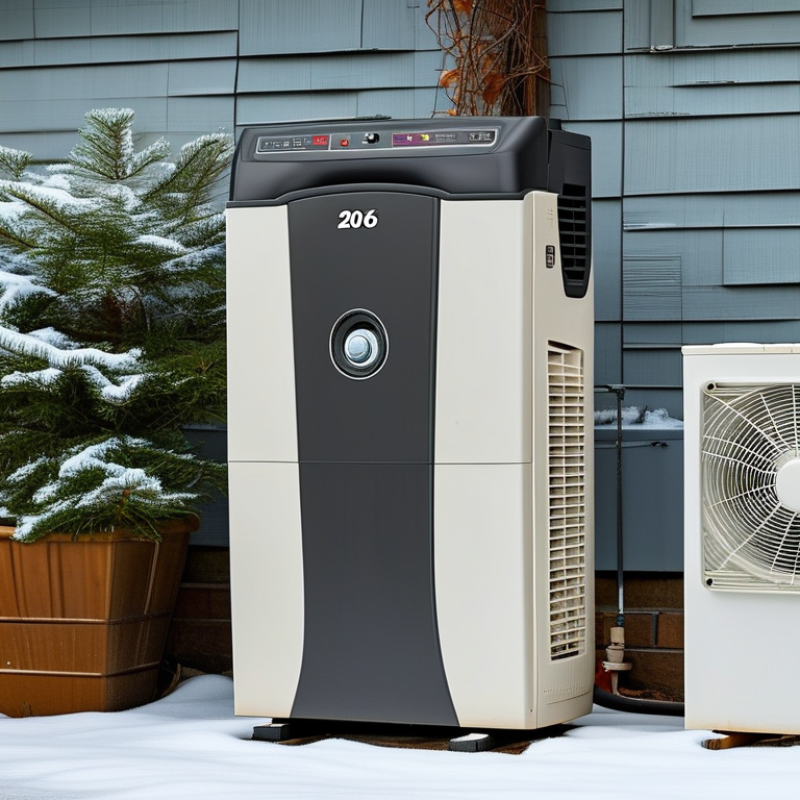
A heat pump does not create heat like a furnace. It moves heat. That detail matters. Even cold outdoor air contains usable thermal energy. The system absorbs that energy through a refrigerant circuit and transfers it indoors.
During heating, the outdoor coil acts as an evaporator. Refrigerant absorbs heat there, even when the air feels bitterly cold. A compressor then raises the refrigerant’s pressure and temperature. The hot refrigerant travels indoors, where the indoor coil releases heat into the room. A blower pushes that warmed air through the ductwork. The refrigerant cools, changes pressure, and returns outdoors to repeat the cycle.
The process is efficient, but it is not flawless. A clogged filter can restrict airflow, while blocked outdoor coils can reduce heat transfer. Light frost may be normal, because the system periodically enters a defrost cycle. Thick ice, weak airflow, or cool air lasting beyond that cycle deserves attention. Check the thermostat setting, filter condition, and outdoor clearance before assuming the unit has failed. I have found that “not heating” sometimes means the system is working, but delivering too little heat for the building’s demand. That distinction is easy to miss. A qualified technician should test refrigerant pressure, electrical controls, airflow, and the reversing valve before recommending major repairs.
The Main Reasons a Heat Pump May Stop Heating
2026 Best Heat Pumps: Why Is My Heat Pump Not Heating?
A heat pump may stop heating because of a simple airflow problem. A clogged filter restricts warm air and makes the system work harder. Set the thermostat to heat, then check whether the indoor fan runs. In service visits, technicians often find incorrect settings after seasonal changes. Outdoor coils can also freeze, especially during wet, cold weather. A brief layer of frost is normal during defrost cycles. Thick ice that remains for hours is not. It may indicate poor airflow, a failed defrost sensor, or a blocked drain.
Tips: Replace dirty filters regularly, and keep leaves away from the outdoor unit. Do not break ice with tools. Check the circuit breaker once, but avoid repeated resets. If the system blows cool air, unusual sounds may follow. That detail matters.
Low refrigerant, a faulty reversing valve, or a damaged fan motor can also reduce heating. These repairs require proper testing and certified equipment. Never open sealed refrigerant lines yourself. A technician should measure airflow, operating pressures, electrical signals, and temperature differences. Cold climates may activate auxiliary heat, but frequent use can signal a sizing or control problem. Heat pumps can behave unexpectedly during severe weather. Even experienced homeowners may misread normal defrost steam as a failure. The opposite mistake is also common: ignoring persistent ice because the unit still runs.
2026 Best Heat Pumps: Why Is My Heat Pump Not Heating?
Common causes are ranked by practical diagnostic priority. Check the thermostat and airflow first, then inspect the outdoor unit, defrost system, refrigerant circuit, and electrical components.
How to Check a Heat Pump Before Calling a Technician
When a heat pump blows cool air, do not assume it has failed. In heating mode, the airflow may feel cooler than furnace air. Check the thermostat setting and select heat, not fan-only mode. Raise the temperature by three degrees, then wait several minutes. Heat pumps respond gradually. Also inspect the indoor filter. A gray, dusty filter can restrict airflow and reduce heating performance. Replace it if it looks clogged.
Walk outside and listen to the outdoor unit. The fan should run during a heating cycle, although it may pause during automatic defrost. Remove leaves, snow, and loose debris from around the cabinet. Keep several inches of open space around it. Never push tools through the grille. Check the electrical panel for a tripped breaker, but do not repeatedly reset it. That detail matters. Repeated trips may indicate an electrical fault.
I once overlooked a closed supply vent and blamed the equipment too quickly. Check each room’s vents and confirm warm air reaches the living space. Look for ice covering the entire outdoor coil, not just a thin layer during defrost. Heavy ice, unusual grinding, burning smells, or weak airflow require professional attention. Do not open refrigerant lines or remove electrical covers. Record the thermostat setting, outdoor temperature, and symptoms before calling a technician. Clear notes can shorten diagnosis time.
2026 Best Heat Pumps: Why Is My Heat Pump Not Heating? How to Check a Heat Pump Before Calling a Technician
| Check Area | Common Symptom | Likely Cause | What to Check | Normal Finding | Recommended Action | Difficulty |
|---|---|---|---|---|---|---|
| Thermostat Mode | The system blows cool air or does not start. | The thermostat is set to cooling, fan-only, or an incorrect operating mode. | Confirm that the mode is set to Heat or Auto and that the target temperature is higher than the room temperature. | The heat call is active and the indoor fan operates after a short delay. | Correct the settings and wait several minutes for the system to respond. | Easy |
| Thermostat Batteries | The display is blank or the heat pump will not respond. | Weak or depleted batteries, if the thermostat uses batteries. | Check the battery symbol, display brightness, and battery compartment. | The display is clear and the thermostat accepts temperature changes. | Replace the batteries with the correct type and reinstall them in the proper orientation. | Easy |
| Air Filter | Weak airflow, long heating cycles, or cool air from the vents. | A dirty filter restricts airflow and can reduce heating performance. | Remove the filter and inspect it against a light. Check the airflow direction arrow before reinstalling. | The filter is clean enough to allow visible airflow through the media. | Replace a disposable filter or clean a reusable filter according to its instructions. Never operate the system without a required filter. | Easy |
| Indoor Vents | Some rooms remain cold while others are comfortable. | Closed, blocked, or obstructed supply and return vents. | Make sure supply registers are open and that furniture, curtains, and rugs are not covering return grilles. | Air moves freely from supply vents and returns without unusual restriction. | Open blocked registers and keep a clear space around return-air grilles. | Easy |
| Outdoor Unit | The heat pump runs but produces little heat. | Snow, leaves, ice, or other debris is restricting outdoor airflow. | Inspect the clearance around the outdoor coil and fan. Do not remove panels or touch wiring. | The coil and fan area are clear, with adequate space for air to enter and leave. | Remove loose leaves and light debris by hand after switching the system off. Do not chip ice from the coil. | Use Caution |
| Defrost Cycle | The outdoor unit is covered with frost temporarily and indoor air may feel cooler. | Normal defrost operation transfers heat to the outdoor coil to melt frost. | Observe whether steam, water, or a temporary change in airflow occurs during a short cycle. | Frost clears within a reasonable period and the system returns to heating mode. | Do not interrupt a normal defrost cycle. Request service if heavy ice remains or defrosting repeats excessively. | Use Caution |
| Circuit Breakers | The system is completely inactive or the outdoor unit does not run. | A tripped breaker or disconnect switch has interrupted power. | Check the labeled HVAC breakers and the outdoor disconnect position without opening electrical panels. | Breakers are fully on and the disconnect is in its normal operating position. | Reset a tripped breaker once only. If it trips again, leave it off and call a qualified technician. | Use Caution |
| Safety Switches | The indoor fan runs, but the outdoor unit does not start. | A condensate overflow switch or other protective control may have stopped the system. | Look for visible water near the indoor unit or drain pan. Do not bypass a safety switch. | No standing water, active leak, or repeated shutdown is present. | Turn the system off if water is present and arrange service to inspect the condensate drain and safety controls. | Technician Recommended |
| Refrigerant Circuit | The heat pump runs continuously but cannot reach the set temperature. | Possible refrigerant undercharge, leak, restriction, or metering problem. | Look only for obvious oil stains or damaged tubing. Do not loosen fittings or handle refrigerant lines. | No unusual frost pattern, oil residue, hissing, or major performance loss is present. | Contact a qualified technician for leak testing, pressure measurement, and refrigerant service. | Technician Required |
| Airflow Temperature | Air from the vents feels cool even though heating is selected. | Normal startup delay, defrost operation, auxiliary heat issue, airflow problem, or reversing-valve fault. | Check the thermostat mode, filter, vents, and whether the outdoor unit is operating. Avoid judging performance immediately after startup. | Supply air becomes warmer after the startup period and the room temperature gradually rises. | If the air remains cool after basic checks, schedule professional diagnosis. | Use Caution |
| Auxiliary or Emergency Heat | The heat pump cannot maintain comfort during very cold weather. | Auxiliary heat may be needed, or the backup heating system may have a fault. | Check whether the thermostat indicates auxiliary or emergency heat and review the system instructions. | Backup heat operates only when required and does not run continuously without reaching the setpoint. | Use emergency heat only as a temporary measure when appropriate. Have persistent problems inspected. | Use Caution |
| Outdoor Fan and Noise | The outdoor unit makes grinding, screeching, buzzing, or repeated clicking sounds. | Fan obstruction, motor wear, electrical fault, or compressor-related problem. | Listen from a safe distance and check only for visible loose debris. Never reach through the grille. | The fan rotates smoothly without unusual vibration or harsh mechanical noise. | Turn the system off if the noise is severe, the fan is not turning, or burning odor is present. Call a technician. | Technician Required |
| Performance Baseline | Heating efficiency seems lower than usual. | Changing outdoor conditions, airflow restriction, duct leakage, sensor error, or equipment fault. | Record the outdoor temperature, indoor temperature, thermostat setting, run time, and airflow strength. | The system maintains the set temperature without unusually long cycles or frequent shutdowns. | Provide the recorded information to the technician if the issue continues. | Easy |
| Professional Service Trigger | Repeated breaker trips, refrigerant concerns, electrical smells, water leaks, or no heating after basic checks. | An electrical, refrigerant, control, compressor, ductwork, or mechanical fault. | Stop troubleshooting if the system presents a safety risk or if panels, wiring, refrigerant, or gas components must be accessed. | No unsafe condition is present and the heat pump operates normally. | Switch the system off when necessary and contact a licensed or qualified HVAC professional. | Technician Required |
Safety note: Homeowners should limit checks to thermostat settings, filters, vents, visible debris, and accessible breakers. Do not open electrical panels, bypass safety controls, remove refrigerant caps, cut wiring, or chip ice from the outdoor coil.
Professional Repairs for Common Heat Pump Heating Problems
A heat pump that blows cool air during winter may have a simple airflow problem or a serious mechanical fault. Start with the filter. A clogged filter can reduce airflow, raise operating pressure, and make the indoor coil feel cold. Check that the thermostat is set to heating mode, then inspect the outdoor unit for leaves, snow, or thick ice. Do not chip ice away with tools.
Professional repairs begin with measured diagnosis, not guesswork. A qualified technician checks airflow, temperature difference, electrical connections, fan operation, and refrigerant pressure. Low refrigerant often indicates a leak, not a condition solved by adding more refrigerant. The leak should be located and repaired before the system is recharged. A failed reversing valve can also leave the unit cooling when heating is selected. That repair requires careful testing because symptoms can overlap.
I have seen homeowners replace thermostats when the real issue was a blocked return vent. Small details matter. A technician should explain the findings, document readings, and recommend only necessary work. Safety controls, wiring, and backup heating elements deserve inspection too. Even experienced professionals can misread intermittent faults, especially after a quick reset makes the system run temporarily. If the outdoor coil repeatedly freezes, the compressor sounds strained, or warm air never returns, switch the system off and arrange a qualified service visit.
How to Choose and Maintain the Best Heat Pump in 2026
Choosing the best heat pump in 2026 starts with your home, not a sales label. A properly sized system should match your floor area, insulation, windows, and local winter temperatures. An oversized unit may cycle too often, while an undersized unit can run continuously. Ask a qualified installer for a room-by-room heat-loss calculation. It is worth the extra time.
Look for strong heating efficiency, a suitable low-temperature rating, quiet operation, and dependable defrost control. Check the system’s seasonal performance figures, but do not compare numbers from different testing standards. A professional should also inspect electrical capacity, duct sealing, airflow, and outdoor drainage. My practical warning is simple: impressive efficiency cannot repair poor installation.
If your heat pump is not heating, check the thermostat setting and replace a dirty filter first. Clear leaves, snow, and ice from the outdoor coil without using sharp tools. Some frost is normal during defrost cycles. Thick ice, weak airflow, unusual sounds, or cool air after a long run need technical attention. Refrigerant work requires trained professionals and should follow local safety rules. Keep a service record with filter changes, temperature readings, and repair dates. I once overlooked a blocked return vent during a routine check; the equipment was healthy, but the room stayed cold. Small airflow problems can imitate major failures.
Related Posts
-
What is Heat Pump Technology and How Does It Work?
-
China Best Heat Pump Contractors for Efficient Home Heating Solutions?
-
What is Heat Recovery and How Does It Work?
-

Top 10 Questions to Ask Your Heat Pump Contractors Before Hiring
-
Top Heat Pump Heating Systems for Efficient Home Comfort Solutions?
-
Top 5 Waste Heat Recovery Technologies: Maximizing Efficiency with a 20% Energy Savings Potential