2026 Best Organic Rankine Cycle Suppliers?

Choosing the 2026 best organic rankine cycle suppliers requires more than comparing advertised efficiency figures. Industrial buyers need dependable equipment, verified field experience, and support that continues after installation. An organic rankine cycle system may look compact on a specification sheet, yet its performance depends on heat-source temperature, working fluid selection, controls, and maintenance access.

This guide examines suppliers through practical engineering criteria. These include thermal efficiency, operating range, turbine or expander design, heat exchanger quality, control integration, and documented project results. Attention also goes to manufacturing capability, commissioning procedures, spare-parts availability, and response times. A supplier with impressive laboratory data may not suit a remote biomass plant or a fluctuating geothermal source. Real conditions expose weaknesses quickly.

Evidence matters.

The comparison also considers certifications, transparent warranties, lifecycle costs, and customer references from comparable industries. However, no single ranking can fit every project. A 500-kilowatt waste-heat installation has different priorities from a multi-megawatt geothermal facility. Some suppliers publish limited performance data, which makes fair evaluation difficult. That limitation deserves honest discussion, not polished assumptions. Readers should verify efficiency claims with independent testing, site-specific calculations, and contractual guarantees. This approach supports better decisions while recognizing that technology, regional service capacity, and market leadership may change during 2026. The strongest supplier is not always the largest. It is the one that can deliver suitable equipment, measurable performance, safe operation, and accountable support throughout the system’s working life.
2026 Best Organic Rankine Cycle Suppliers?

What Is an Organic Rankine Cycle System?

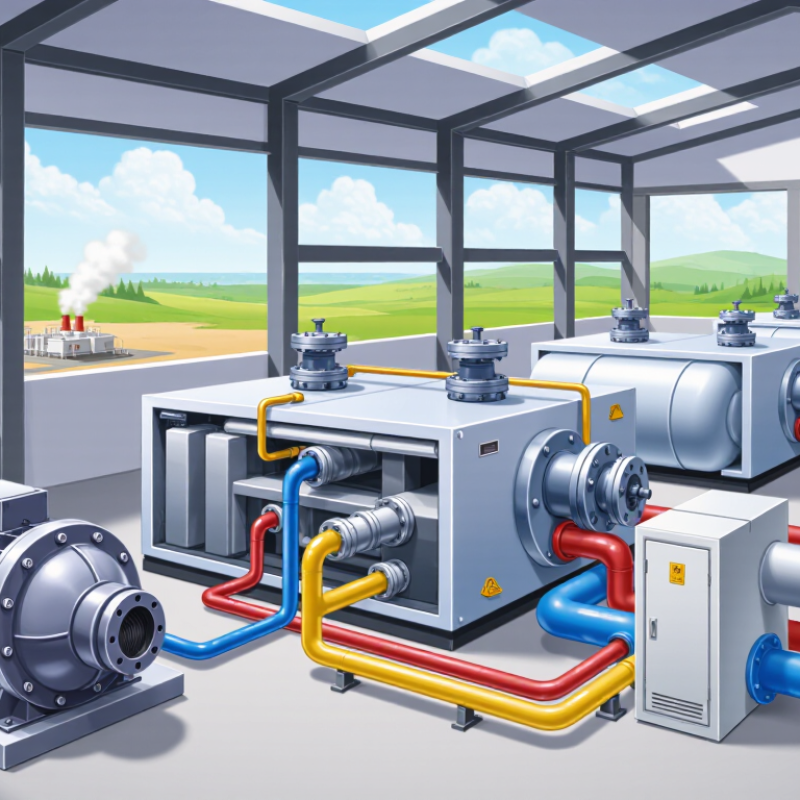
An Organic Rankine Cycle system generates electricity from heat that conventional steam cycles cannot use efficiently. It replaces water with an organic working fluid, such as a hydrocarbon or refrigerant, with a lower boiling point. Heat vaporizes the fluid, and the vapor drives an expander connected to a generator. The vapor then condenses and circulates again. The loop is closed.

The U.S. Department of Energy identifies geothermal resources, industrial exhaust, biomass, and engine cooling as practical ORC applications. Operating temperatures commonly range from about 80°C to 350°C, depending on the fluid and system design. The International Energy Agency reported that industry consumed nearly 40% of global final energy in recent assessments. Recovering even part of this heat can reduce fuel waste and onsite emissions. Real sites are messier than diagrams.

For 2026 supplier selection, buyers should examine verified electrical output, heat-source variability, efficiency curves, maintenance access, and fluid safety documentation. IRENA’s renewable innovation reports highlight the importance of reliable operation under changing resource conditions. A supplier should also provide measured performance from comparable projects, not only laboratory figures. The difficult part is not the turbine alone. Fouling, pressure losses, cooling-water limits, and seasonal temperatures can reduce actual output. Some published efficiency claims also assume ideal conditions, which deserve careful review. Check the assumptions.

How to Evaluate Organic Rankine Cycle Suppliers in 2026

How to Evaluate Organic Rankine Cycle Suppliers in 2026

Selecting an Organic Rankine Cycle supplier requires more than comparing equipment prices. Examine its experience with your heat source, operating temperature, and expected annual hours. Ask for verified performance data from similar installations. A credible supplier should explain net power output, working-fluid management, maintenance intervals, and degradation risks. Request references you can contact directly. Factory photographs and polished presentations are useful, but they are not proof.

Tips: Build a simple evaluation sheet. Compare efficiency, startup time, availability, warranty coverage, and service response. Ask whether performance guarantees use measured site conditions. Check who will commission the system and train operators. Review spare-parts locations, software support, and emergency procedures. Small details matter, especially beside a noisy exhaust stack or a dusty industrial boiler.

Technical compliance also deserves careful review. Confirm pressure-vessel documentation, electrical protection, environmental controls, and local approval requirements. Independent testing can expose optimistic calculations. I have learned that a low-temperature heat source often behaves differently after seasonal changes. Supplier models may overlook fouling, unstable flow, or limited maintenance access. Invite an experienced engineer to challenge the proposal before signing. The best supplier is not always the cheapest or most famous. It is the one that shows clear assumptions, accepts difficult questions, and supports the system after commissioning.

How to Evaluate Organic Rankine Cycle Suppliers in 2026

This benchmark uses practical evaluation criteria for Organic Rankine Cycle suppliers. The percentage values represent recommended decision weights rather than the performance of any specific company. System efficiency, lifecycle cost, reliability, heat-source compatibility, service capability, and project integration are commonly assessed when comparing ORC solutions for industrial waste heat, geothermal, biomass, and other low-temperature heat sources.

Leading Organic Rankine Cycle Suppliers and Their Key Strengths

Leading Organic Rankine Cycle Suppliers and Their Key Strengths

The strongest Organic Rankine Cycle suppliers combine heat-source experience with disciplined field engineering. Their systems recover energy from geothermal wells, biomass boilers, engine exhaust, and industrial waste heat. This flexibility matters because operating temperatures can vary sharply between sites. The U.S. Department of Energy’s GeoVision analysis estimates that geothermal power could reach 60 GW in the United States by 2050, compared with about 3.7 GW in 2021. That outlook supports demand for reliable, modular conversion equipment.

Different suppliers excel in different conditions. Some focus on compact units for factories, where limited space and unstable exhaust temperatures create practical challenges. Others provide larger geothermal packages with pumps, condensers, controls, and long-term maintenance. High-quality suppliers should publish performance curves, working-fluid safety data, and verified availability figures. The IRENA Renewable Power Generation Costs report placed global weighted-average geothermal electricity costs near USD 0.071 per kWh in 2023. However, project economics still depend heavily on drilling, grid access, and local heat quality.

Look beyond nameplate efficiency. A credible supplier explains seasonal output, cleaning intervals, spare-parts coverage, and start-up procedures. Independent testing is valuable, but field references reveal more. Some sales claims feel too polished. Buyers should question them. The 2024 MarketsandMarkets analysis expects continued growth in the Organic Rankine Cycle market, driven by waste-heat recovery and clean power demand. Yet projections are not guarantees. A supplier with transparent assumptions may be stronger than one promising the highest efficiency.

2026 Best Organic Rankine Cycle Suppliers? - Leading Organic Rankine Cycle Suppliers and Their Key Strengths

Anonymous Supplier Profile Primary Application Typical Heat-Source Range Typical Electrical Scale Core Technology Strength Key Buyer Advantage Important Evaluation Criteria
Geothermal ORC Specialist Geothermal brine, hot-water reservoirs and binary-cycle power plants Approximately 90–180°C geothermal fluid, depending on resource chemistry and flow rate About 0.5–20 MWe per plant module or project phase Efficient operation with moderate-temperature resources and strong brine-handling expertise Can generate electricity without exposing the turbine to geothermal fluids Working-fluid selection, non-condensable-gas handling, scaling control, reinjection compatibility and guaranteed availability
Industrial Waste-Heat Recovery Integrator Furnaces, kilns, heat-treatment lines, process exhaust and hot oil systems Approximately 150–500°C source temperature, subject to exhaust composition and operating profile About 0.1–10 MWe Customized heat exchangers, bypass systems and integration with variable industrial loads Converts otherwise rejected heat into power while reducing cooling or disposal requirements Dust and corrosive-gas protection, fouling allowance, turndown ratio, plant downtime requirements and control-system integration
Cement and Mineral-Processing Specialist Cement kiln preheater and clinker-cooler exhaust, lime production and mineral processing Typically 200–400°C exhaust streams, with high dust-loading considerations About 1–20 MWe Robust heat-recovery design for dusty gases and continuous base-load operation Well suited to 24/7 industrial facilities with predictable thermal output Gas-cleaning arrangement, pressure-drop limits, cooler integration, dust abrasion, maintenance access and production-interruption risk
Engine and Turbine Exhaust Recovery Specialist Natural-gas engines, biogas engines, diesel engines and small gas turbines Approximately 250–550°C exhaust, depending on engine type and load About 50 kWe–5 MWe Compact modular packages with fast response to changing engine loads Improves total fuel utilization and can support combined-heat-and-power installations Exhaust back-pressure limit, acoustic design, engine warranty compatibility, transient response, emissions equipment and service coverage
Biomass CHP ORC Specialist Clean biomass combustion, wood residues, agricultural residues and district heating Usually supplied through thermal oil or pressurized hot-water circuits at roughly 250–350°C About 0.2–5 MWe, commonly paired with useful heat output Stable electricity production with high overall CHP utilization when heat demand is available Provides dispatchable renewable power and useful thermal energy from locally available biomass Fuel moisture and ash content, boiler compatibility, heat-demand profile, emissions compliance, fuel logistics and ash management
Solar Thermal ORC Specialist Concentrated solar thermal systems and hybrid solar-industrial heat applications Commonly around 150–400°C thermal-fluid or hot-water supply About 0.1–10 MWe Integration with thermal storage and hybrid heat sources for improved operating continuity Can produce power from solar heat without a conventional steam turbine cycle Storage duration, solar-resource quality, heat-transfer-fluid selection, cooling method, ramping capability and seasonal capacity factor
Small Modular ORC Package Supplier Small geothermal wells, remote facilities, flare-gas recovery and distributed waste heat Approximately 80–300°C, depending on the selected working fluid and heat exchanger design About 10 kWe–1 MWe Factory-built skids, simplified installation and reduced site-construction requirements Suitable for decentralized projects where steam-cycle infrastructure is uneconomic Containerization, transport limitations, local service capability, spare-parts availability, remote monitoring and minimum viable heat flow
Large Utility-Scale ORC Integrator Multi-source geothermal, industrial clusters and large renewable heat projects Approximately 100–350°C, depending on the heat source and cooling conditions About 10–50+ MWe through multiple modules Multi-module engineering, balance-of-plant coordination and performance optimization at project scale Supports phased capacity expansion and redundancy through parallel modules Net output guarantee, EPC responsibility, grid compliance, cooling-water demand, operating history, financing support and long-term service terms
Data note: The temperature, capacity and application figures are industry screening ranges rather than supplier quotations. Actual performance depends on heat-source flow, inlet and outlet temperatures, cooling conditions, working fluid, fouling, ambient conditions and operating hours.

Which Industries Benefit Most from ORC Technology?

Organic Rankine Cycle technology benefits industries that produce steady, moderate-temperature waste heat. Manufacturing plants, geothermal facilities, biomass stations, and waste-processing sites are strong candidates. These operations can convert otherwise lost heat into electricity without burning additional fuel.

Cement and steel plants often release heat through exhaust gases, cooling systems, and hot surfaces. An ORC unit can capture part of this energy after suitable heat recovery equipment is installed. The same approach works in glass production and large-scale food processing. Geothermal projects also use ORC systems where underground resources are too cool for conventional steam turbines. Waste heat becomes useful.

Oil and gas facilities, district heating networks, and remote power stations may gain value from compact ORC installations. However, a promising temperature reading does not guarantee a profitable project. Heat availability may change with production schedules. Fouling, maintenance access, grid connection costs, and local regulations can alter the result. This is where practical engineering experience matters. Site measurements should cover seasonal operation, not one convenient afternoon. Small mistakes grow expensive. Some plants may achieve better savings through process improvements before installing an ORC system. Careful feasibility studies, transparent performance data, and realistic maintenance plans help buyers compare suppliers with greater confidence.

How to Select the Best ORC Supplier for Your Project

Choosing the best ORC supplier starts with your heat source, not a sales ranking. Measure exhaust temperature, flow variation, contaminants, operating hours, and cooling conditions. The U.S. Department of Energy reports that industrial waste heat can equal 20–50% of energy input. Yet, recoverable heat is usually lower after fouling, pressure losses, and seasonal changes. A supplier should show calculations using your measured data, not only catalogue conditions.

Check the supplier’s field experience with similar temperatures and load profiles. Ask for verified net power, annual availability, start-up time, and maintenance records. IRENA’s Renewable Capacity Statistics 2024 recorded about 14.9 GW of global geothermal capacity at the end of 2023. That figure supports ORC’s maturity, but it does not guarantee a suitable project design. Geothermal, biomass, and exhaust applications need different working fluids, heat exchangers, and control strategies.

Demand a complete boundary-of-supply list. It should cover pumps, controls, grid connection, cooling equipment, installation support, and spare parts. Review warranty terms carefully. Performance guarantees must define inlet conditions and acceptable measurement uncertainty. A lower purchase price may hide higher parasitic power or difficult maintenance. This is where many comparisons become imperfect. Local technicians, response times, cybersecurity controls, and emissions compliance also matter. Request an independent performance test after commissioning, then compare results with the original model. A polished brochure is not evidence.