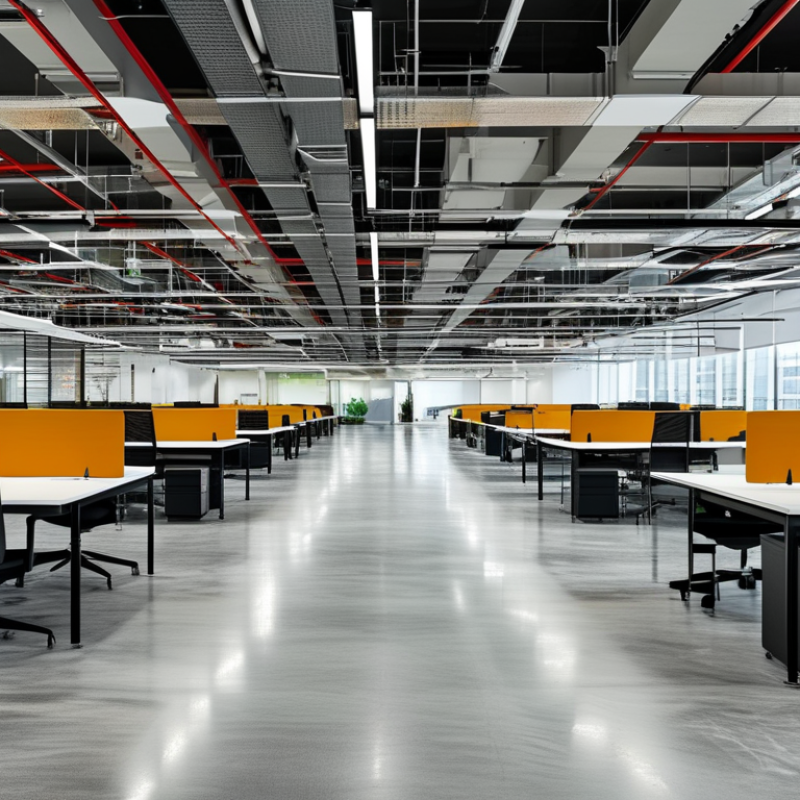
What are the Benefits of Using Raised Floor Systems?
Raised Floor systems are becoming increasingly popular in modern buildings. These innovative solutions provide a unique way to manage space effectively. They can enhance flexibility and improve the overall functionality of a facility.
In commercial settings, Raised Floors offer crucial benefits for managing wires and utilities. This system allows for easy access to electrical and data connections. Additionally, it can accommodate changes in layouts without significant renovations. Many users appreciate the ease of maintenance and installation that Raised Floors provide.
However, there are considerations to keep in mind. Not every building is suited for this system, and costs can vary widely. Reflecting on these factors can help organizations make informed decisions. Ultimately, Raised Floors can transform workspaces significantly when implemented thoughtfully.
Overview of Raised Floor Systems and Their Applications
Raised floor systems offer innovative solutions for various applications, especially in commercial and institutional settings. They create an accessible void for managing electrical, mechanical, and communication services. This functionality helps in enhancing flexibility within spaces like data centers and offices. According to industry data, raised flooring can improve airflow by up to 15%, significantly benefiting environments where temperature control is vital.
The design of raised floor systems accommodates rapid changes. This adaptability is essential in sectors where technology and layout evolve quickly. Buildings using this system experience reduced installation times for cabling and utilities. Reports suggest that switching to raised flooring can yield installation savings of around 20%. However, these systems require careful planning to avoid space issues.
Tips: Always consider load-bearing requirements when designing raised floor structures. Also, ensure proper sealing and insulation to maximize energy efficiency. Regular maintenance checks can prevent long-term issues. Balancing aesthetics and functionality is crucial, as some may find the appearance of a raised floor less appealing. Overall, while raised floor systems provide numerous benefits, their selection should involve thorough analysis and thoughtful design.
Enhanced Flexibility and Space Management with Raised Floors
Raised floor systems have become essential in modern commercial spaces. They allow for flexible design and efficient space management. Companies can easily change layouts. According to a report by the International Facility Management Association, raised floors can reduce the need for major renovations by up to 40%. This adaptability saves time and resources.
One significant advantage of raised floors is the capacity to conceal cabling. With technology evolving, workplaces need adaptable environments. Raised floors provide a solution by hiding wires, reducing clutter. This simplifies maintenance and enhances aesthetics. A study by the Building Research Establishment found that 55% of employees say a tidy workspace boosts productivity.
Despite these benefits, some challenges arise. Installation can be costly and time-intensive. Companies need to carefully evaluate the long-term savings against initial expenses. Additionally, not all buildings may have the structural capacity to support raised floors. This limitation can hinder flexibility in certain spaces. It’s essential for businesses to weigh these factors to ensure a balanced decision.
Improved Airflow and Environmental Control Benefits
Raised floor systems offer significant improvements in airflow and environmental control. By creating a space between the concrete slab and the floor panels, these systems allow for better air distribution. According to the American Society of Heating, Refrigerating and Air-Conditioning Engineers (ASHRAE), improved airflow can enhance indoor air quality by as much as 30%. This is crucial for environments needing precise climate control, such as data centers and laboratories.
Efficient airflow management leads to reduced energy costs. In fact, a study by the U.S. Department of Energy found that optimized airflow systems can reduce energy consumption by up to 25%. With raised flooring, air can be directed where it's most needed, minimizing the waste of heating or cooling resources. However, the initial installation costs can be higher, which makes project budgeting essential for long-term savings.
While there are many advantages, maintenance can become a challenge. Dust and debris can accumulate in the plenum area, potentially reducing efficiency. A well-planned maintenance schedule is crucial to prevent airflow issues. In conclusion, while raised floor systems offer clear benefits in environmental control, careful management and budgeting remain necessary for maximizing their potential.
What are the Benefits of Using Raised Floor Systems? - Improved Airflow and Environmental Control Benefits
| Benefit | Description | Impact |
| Improved Airflow | Raised floors allow for unobstructed airflow, improving ventilation in the workspace. | Enhanced comfort and reduced energy costs. |
| Flexible Space Design | Easier to modify layout and adjust configurations for different needs. | Increased adaptability to changing business needs. |
| Enhanced Cooling Efficiency | Allows for targeted cooling by directing airflow where needed. | Lower energy consumption and improved equipment lifespan. |
| Easier Cable Management | Cables can be routed underneath the floor, keeping workspace organized. | Enhanced aesthetics and reduced tripping hazards. |
| Acoustic Control | Helps in reducing noise levels within the work environment. | Better employee concentration and productivity. |
Electrical and Data Cabling Solutions within Raised Floor Design
Raised floor systems provide an innovative solution for managing electrical and data cabling. By creating a space beneath the floor, these systems allow for organized routing of wires and cables. This improves accessibility and enhances overall aesthetics. It also supports quick adjustments for evolving technologies.
In designing a raised floor, careful consideration must be given to cable management. Regular maintenance is crucial to prevent potential hazards. Over time, cables can become tangled or damaged, leading to disruptions. Clear labeling and systematic organization help mitigate these risks. Additionally, planning for future upgrades during the initial installation can save time and costs later on.
While raised floors facilitate easier maintenance, improper installation poses challenges. Issues like inadequate ventilation or insufficient capacity must be addressed. Thoughtful design and quality materials are essential to avoid long-term problems. Achieving the right balance between functionality and durability is a key consideration in the design process.
Cost-Effectiveness and Long-Term Value of Raised Floor Systems
Raised floor systems offer significant cost-effectiveness and long-term value for various types of facilities. These systems create flexible spaces by allowing easy access to electrical and mechanical systems beneath the floor. This adaptability reduces the need for costly renovations when changes occur. Businesses can modify layouts without extensive downtime. This leads to considerable savings over time.
Moreover, raised floors support efficient airflow and cooling. This contributes to lower energy costs. By optimizing heating and cooling systems, organizations can maintain a comfortable environment. Electric and data cable management also becomes straightforward, minimizing potential disruptions.
Tips: Consider the payback period of an investment in raised flooring. It’s essential to weigh the initial cost against long-term savings. Evaluate your building’s needs for future modifications. This foresight can greatly influence your decision.
Routine inspections of raised floor systems can prevent costly repairs. Monitor the condition of the material and its functionality. Addressing issues promptly can enhance the system's longevity. Remember, neglect can lead to unexpected expenses.
Cost-Effectiveness and Long-Term Value of Raised Floor Systems