Top 10 Benefits of Waste Heat Recovery System for Energy Efficiency

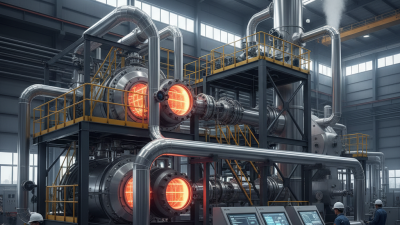
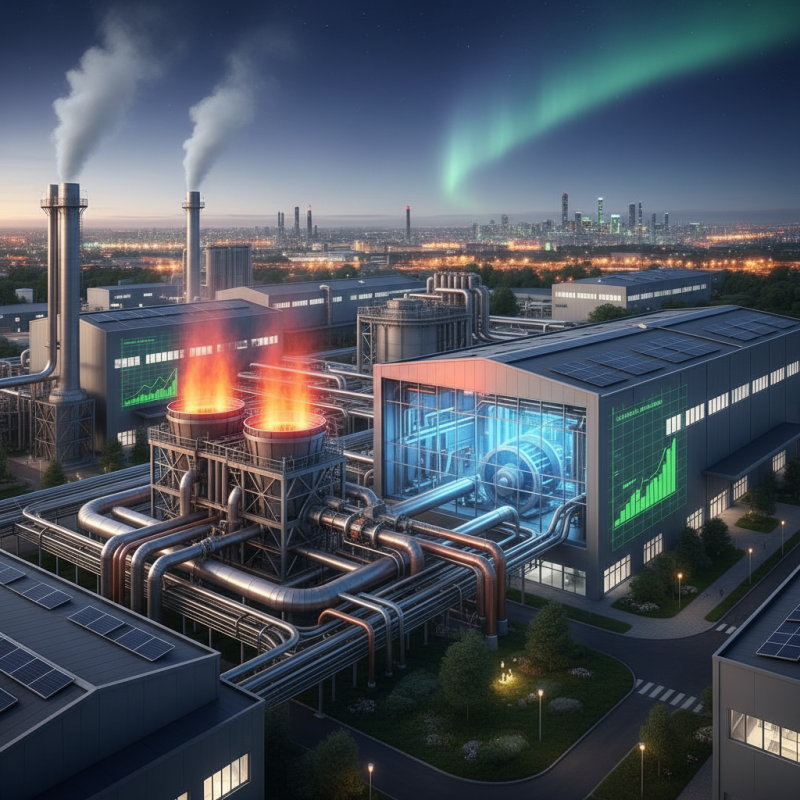
In today’s world, energy efficiency is crucial. Industries are constantly seeking ways to reduce costs and improve sustainability. One effective solution is the waste heat recovery system. This technology grabs excess heat, often wasted in processes, and repurposes it. Imagine a manufacturing plant where a significant amount of heat escapes into the air. A waste heat recovery system can capture this energy and convert it into usable power.

Businesses can benefit greatly from implementing such systems. They help lower energy bills and reduce greenhouse gas emissions. However, some companies may hesitate due to initial installation costs and complexity. This warrants a closer look at the multiple advantages of waste heat recovery systems. For instance, they can boost overall equipment efficiency and enhance production processes. Yet, the effectiveness varies based on the facility and application.

Moreover, the potential for energy savings is often underestimated. Each industry has unique challenges and opportunities. It is essential to carefully analyze these factors to maximize gains. In summary, adopting a waste heat recovery system can lead to significant improvements, but it requires thoughtful consideration and a tailored approach.
Top 10 Benefits of Waste Heat Recovery System for Energy Efficiency

Benefits of Waste Heat Recovery Systems in Industrial Operations
Top 10 Benefits of Waste Heat Recovery System for Energy Efficiency

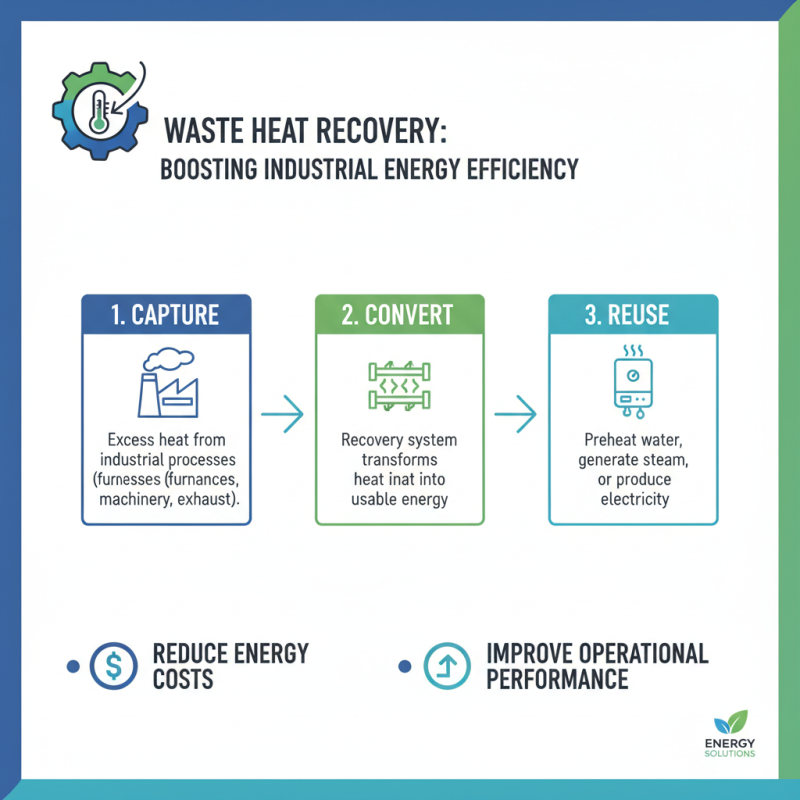
Waste heat recovery systems are essential for enhancing energy efficiency in industrial operations. These systems capture excess heat generated during production processes. This heat is often wasted, but recovery systems can convert it into usable energy. For example, heat from machinery can be reused to preheat water. This reduces energy costs and improves overall performance.

Tips: Regular maintenance is crucial. Check for leaks and ensure proper insulation. This will maximize efficiency and extend the system's life.

Embracing waste heat recovery also leads to sustainability. Companies can lower their carbon footprint. However, the initial setup can be costly. Investment in technology might be challenging for some. Still, the long-term savings and environmental benefits often outweigh the risks.

Tips: Consider starting small. Implement a pilot project to assess advantages. Evaluate the data before committing to larger investments.
Reduction of Energy Costs through Waste Heat Utilization

Waste heat recovery systems offer significant savings for industries. By capturing excess heat that would otherwise be lost, businesses can recycle this energy. This process minimizes energy wastage and optimizes overall efficiency.

Reducing energy costs is a direct outcome of utilizing waste heat. Industries waste a substantial amount of energy daily. For instance, manufacturing facilities often discharge heat during production. This heat can be redirected to power other processes, cutting costs dramatically. Implementing such systems requires an upfront investment, which can be daunting for some companies. However, the long-term savings usually outweigh the initial financial barrier.

Moreover, the approach fosters a culture of sustainability. Companies become more conscious of their energy use. However, not all systems are easy to install. Existing infrastructure might limit the feasibility of waste heat recovery. Each facility has unique challenges that must be addressed. Understanding these nuances is crucial for any successful implementation.

Enhancement of Overall Energy Efficiency in Manufacturing Processes

In manufacturing, improving energy efficiency is crucial. Waste heat recovery systems offer a way to capture and reuse heat. This process reduces energy waste. They can enhance the overall energy efficiency of manufacturing processes significantly.

Heat is often lost in machinery and production lines. By recovering this heat, plants can lower their energy costs. It can lead to a more sustainable operation. However, not all systems are created equal. Some may require high initial costs and maintenance. Plants should assess their needs before investing.

Tips for implementation: Start small. Evaluate specific areas where heat is wasted. Consider engaging with experts for a thorough analysis. Regular maintenance is essential for optimal performance. It ensures the system works efficiently over time. These steps can lead to notable energy savings.

Minimization of Environmental Impact and Carbon Footprint

Waste heat recovery systems are essential in minimizing environmental impact. They capture excess heat generated during industrial processes. This heat can be reused instead of being released into the atmosphere. By utilizing this energy, companies can significantly reduce their carbon footprint.

One effective tip is to conduct energy audits regularly. Identify areas where heat is wasted. This can lead to improvements and better recovery systems. Additionally, maintenance is crucial. Ensure that all equipment operates efficiently to maximize recovered energy. Even small leaks can escalate energy costs and environmental harm.

Incorporating waste heat recovery systems also encourages a culture of sustainability. Employees become more aware of energy usage. However, not all systems fit every facility. It's essential to assess your unique needs before investing. Overlooking this can result in underperformance and wasted resources.

Top 10 Benefits of Waste Heat Recovery System for Energy Efficiency

Benefit Description Impact on Energy Efficiency
Cost Savings Reduces energy costs by reclaiming waste heat for reuse. Increases overall energy efficiency by up to 30%.
ROI Enhancement Improves return on investment through lower operating expenses. Significant improvement over time due to reduced energy dependency.
Reduced Environmental Impact Decreases greenhouse gas emissions by utilizing existing heat. Contributes to global sustainability efforts.
Process Efficiency Enhances process efficiency by reusing energy that would be wasted. Improves system reliability and performance.
Compliance with Regulations Helps meet environmental standards and regulations. Reduces potential fines from regulatory bodies.
Energy Security Reduces reliance on fossil fuels by creating on-site energy production. Enhances security against energy price fluctuations.
Enhanced System Lifespan Less strain on equipment leads to decreased wear and tear. Extends equipment lifespan, reducing replacement costs.
Innovation and Technology Advancement Encourages investment in advanced recovery technologies. Promotes overall innovation within the energy sector.
Community and Social Benefits Contributes to local sustainability initiatives. Enhances corporate social responsibility image.
Increased Competitiveness Fosters competitiveness by reducing operational costs. Strengthens market position through improved efficiency.

Improvement of System Reliability and Equipment Longevity

Top 10 Benefits of Waste Heat Recovery System for Energy Efficiency

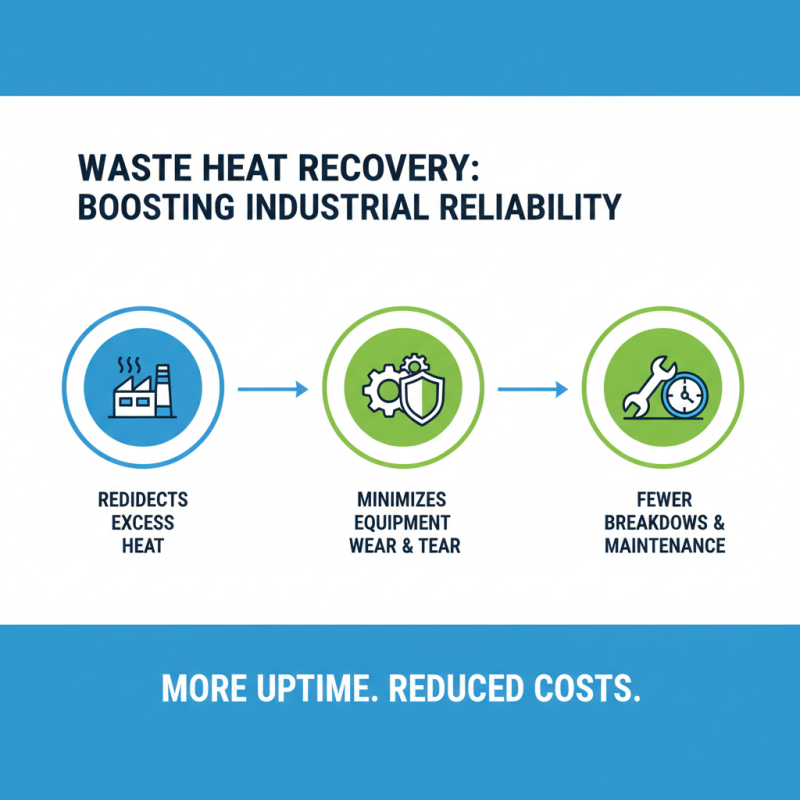
A waste heat recovery system can vastly improve the reliability of industrial equipment. When excess heat is redirected and used effectively, it minimizes the wear and tear on machinery. This means fewer breakdowns. Operators can also anticipate maintenance needs more accurately, reducing unexpected downtimes.

Moreover, by utilizing waste heat, the lifespan of equipment can extend significantly. When machines operate within optimal temperature ranges, they perform better for longer periods. For instance, boilers and turbines last longer when they are not subjected to extreme operating conditions. However, not every system is perfectly engineered. Sometimes, inefficiencies in heat recovery can mean plans need reevaluation.

Failures can teach us valuable lessons. While many systems promise high efficiency, ensuring the right setup takes time and expertise. A careful balance is needed to maximize heat recovery without forcing other elements to overcompensate. Regular monitoring can reveal untapped potential and highlight areas for improvement.