10 Best Geothermal Units for Energy Efficiency in 2023
As the world moves toward sustainable energy solutions, geothermal units have emerged as a forefront technology for enhancing energy efficiency. Experts like Dr. Emily Chen, a renowned authority in geothermal energy systems, emphasize the importance of these units in combatting climate change. "Geothermal units not only provide a reliable heating and cooling solution but also significantly reduce our carbon footprint," says Dr. Chen.
In 2023, the focus on reducing energy consumption and increasing environmental responsibility has never been more critical. With advancements in technology, the latest geothermal units offer improved efficiency and performance, making them a highly attractive option for both residential and commercial applications. This article will explore the ten best geothermal units available this year, highlighting their energy-efficient features and overall impact on energy consumption. Whether you are considering a geothermal unit installation for your home or looking to upgrade your current system, this guide will provide you with valuable insights to make informed decisions.

Overview of Geothermal Energy and Its Benefits
Geothermal energy harnesses the natural heat stored beneath the Earth's surface, providing a
sustainable and efficient energy source for heating and cooling.
This renewable resource taps into the stable temperatures within the ground, allowing for
consistent energy output regardless of seasonal changes. By utilizing geothermal heat pumps,
homeowners can significantly reduce their reliance on traditional fossil fuels, leading to lower
greenhouse gas emissions and promoting a more environmentally friendly way of living.
One of the key benefits of geothermal energy is its high efficiency.
Geothermal systems typically have a coefficient of performance (COP) greater than 4, meaning
for every unit of electricity consumed, they can produce four units of heating or cooling energy.
This efficiency translates not only to reduced energy bills but also to a decrease in energy
consumption overall, making geothermal an attractive option for those looking to minimize
their carbon footprint. Additionally, geothermal installations often qualify for various incentives
and rebates, further enhancing their economic appeal and making them a wise investment for the future.
Criteria for Assessing Energy Efficiency in Geothermal Units
When assessing energy efficiency in geothermal units, several key criteria come into play. One of the most critical metrics is the
Coefficient of Performance (COP), which measures the ratio of heating or cooling provided to the energy consumed.
According to the U.S. Department of Energy, geothermal heat pumps typically achieve
COP values of 3 to 5, meaning they can produce three to five units of energy for every unit consumed, significantly outperforming traditional HVAC systems that often have COPs between 1 and 3.
This demonstrates the superior efficiency of geothermal systems, making them ideal for
reducing energy consumption over time.
Another important factor is the
Seasonal Energy Efficiency Ratio (SEER), which evaluates the efficiency of cooling systems over a season rather than at a specific operating condition.
Industry reports indicate that high-performing geothermal units can achieve
SEER ratings above 20, which is substantially higher than conventional air conditioning units, typically rated around 13 to 18.
Additionally, the
Energy Efficiency Ratio (EER) is also considered, particularly for evaluating performance in
high-temperature conditions. According to a study by the International Energy Agency, geothermal systems consistently show favorable EER values, reinforcing their effectiveness in maintaining energy efficiency year-round.
Lastly, installation factors and site conditions can greatly influence the overall energy efficiency of geothermal systems. Properly designed loop systems and well-insulated buildings lead to optimal energy usage.
The Geothermal Resources Council emphasizes that
poorly designed configurations can undermine the efficiency gains, highlighting the importance of professional assessments and proper installation practices for achieving the best energy outcomes with geothermal technology.
Top 10 Geothermal Units for Energy Efficiency in 2023
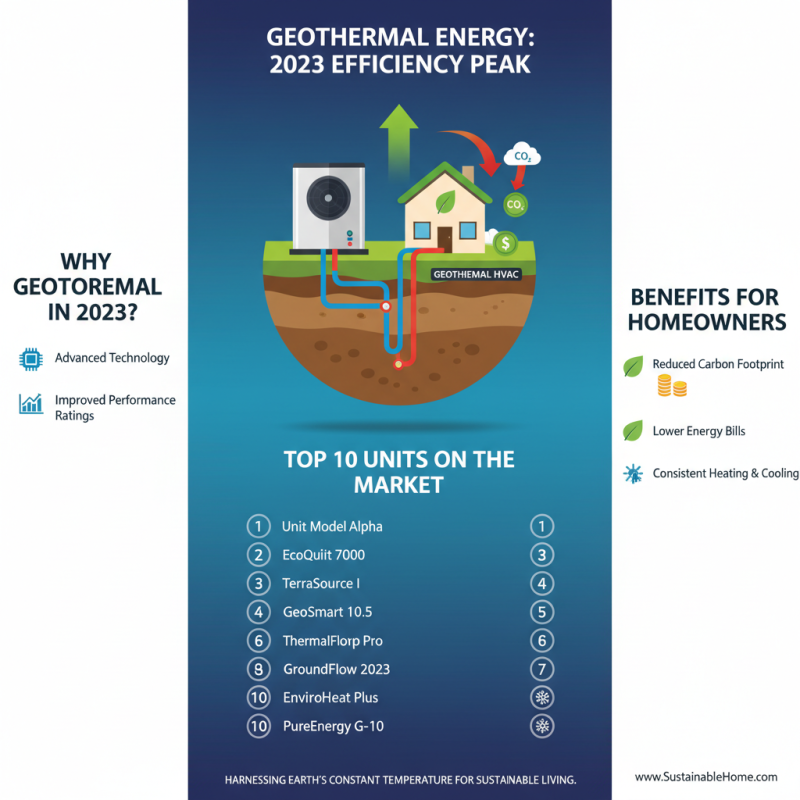
In 2023, energy efficiency in geothermal units has reached new heights, making them an excellent choice for homeowners looking to reduce their carbon footprint and energy bills. The top 10 geothermal units on the market this year stand out due to their advanced technology and impressive performance ratings. These units harness the consistent temperature of the earth to provide efficient heating and cooling solutions, making them ideal for various climates.
One of the key factors contributing to the efficiency of these geothermal systems is their ability to provide significant heating and cooling output compared to the amount of energy consumed. Many of these units are designed with environmentally friendly refrigerants and energy-saving features that not only help in reducing energy consumption but also promote better indoor air quality. Additionally, many models come equipped with smart technology, allowing users to monitor and adjust energy use in real-time, ensuring optimal performance and cost savings over time. As energy efficiency becomes increasingly important, these geothermal units represent a key solution for sustainable living.
Comparison of Features and Performance of Selected Units
When evaluating geothermal units for energy efficiency, it's essential to consider key features that directly impact performance. The efficiency of these systems often relies on their Coefficient of Performance (COP), which measures the ratio of heating or cooling provided to the energy consumed. Units with higher COP values tend to perform better, offering significant savings on energy costs. Additionally, the installation type—whether a closed loop, open loop, or hybrid system—can influence overall effectiveness. Each type has unique characteristics regarding space requirements, climate suitability, and installation costs.
In terms of performance, factors such as heating output, cooling capacity, and noise levels are crucial. High-performing geothermal units are designed to provide consistent heating and cooling across various temperatures. Units with variable speed compressors and advanced control systems can adapt to changing conditions, ensuring optimal energy use. Furthermore, considerations for durability and maintenance ease also play a role in long-term satisfaction. Overall, a thorough comparison of these features can help consumers make informed decisions about the best geothermal units for their specific energy efficiency needs in 2023.
Maintenance Tips for Maximizing Geothermal Unit Efficiency
Regular maintenance is essential for maximizing the efficiency of geothermal units. Start by ensuring that the air filters are clean and replaced as needed. Clogged filters can restrict airflow, causing the unit to work harder, which diminishes efficiency and increases energy consumption. It's advisable to check the filters at least once a month and clean or replace them based on their condition. Additionally, inspecting the ground loop system for any signs of leaks or damage is crucial, as this can significantly impact the performance of the geothermal unit.
Another important aspect of maintenance is the periodic inspection of the system's components by a trained technician. This includes checking the heat pump, ductwork, and refrigerant levels to ensure everything is operating smoothly. Routine checks can identify potential issues early, preventing costly repairs down the line. Furthermore, clearing any debris from around the outdoor geothermal components can enhance airflow and heat exchange efficiency. By adopting these maintenance practices, homeowners can not only extend the lifespan of their geothermal units but also ensure optimal performance and energy savings.