10 Best Heat Pump Units for Global Buyers?
Choosing the right heat pump unit is rarely a simple matter of comparing prices or advertised efficiency. Global buyers face different climates, electricity costs, building standards, refrigerant rules, and installation practices. A model that performs quietly in a mild coastal city may struggle during a harsh continental winter. That difference matters.
This guide examines ten leading heat pump unit options for international buyers. It considers seasonal efficiency, low-temperature performance, sound levels, controls, warranty support, service access, and realistic installation conditions. It also looks beyond laboratory ratings. A compact outdoor unit beside a bedroom window can change the ownership experience. So can a poorly sized system cycling every few minutes.
Jan Rosenow, Director of European Programmes at the Regulatory Assistance Project, has said, “Heat pumps are a critical technology for decarbonising heating.” His point is important, but technology alone does not guarantee good results. Design quality, installer experience, and local grid conditions remain decisive. Buyers should check independent certifications and manufacturer data before trusting promotional claims.
The selection is practical, not absolute. A ranking can still overlook regional preferences, unavailable spare parts, or unusual homes. That is worth admitting. Some units may appear less impressive on paper yet deliver better comfort after careful commissioning. Others may promise excellent efficiency but require costly electrical upgrades. Readers should treat these ten choices as informed starting points, not universal answers. The best heat pump unit is the one that matches the building, climate, budget, and people responsible for maintaining it.
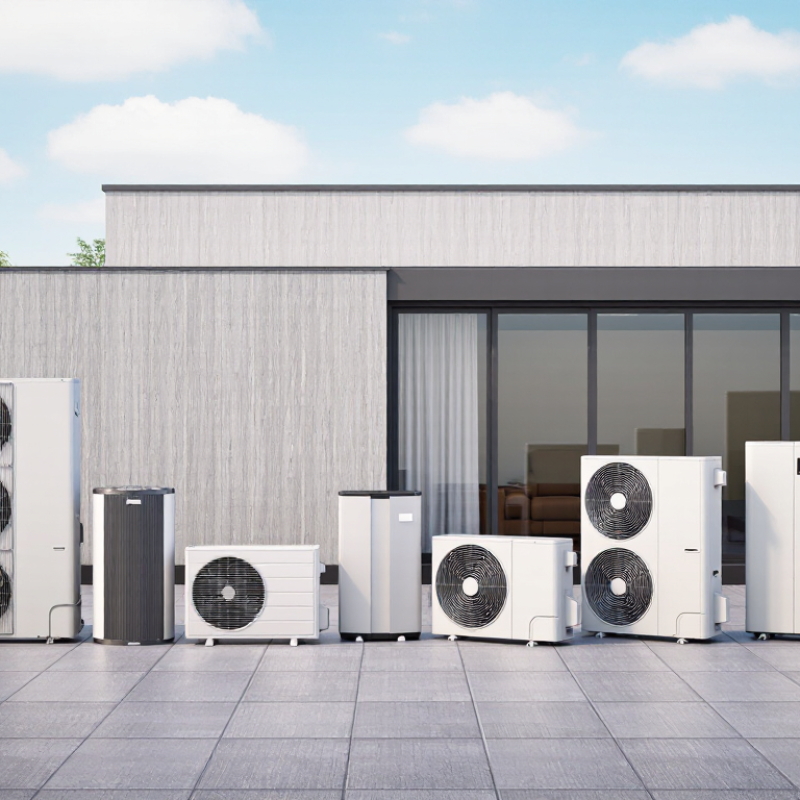
What Makes a Heat Pump Unit Suitable for Global Buyers?
A heat pump unit suitable for global buyers must work beyond one climate zone. The International Energy Agency reports that heat pump sales rose by about 11% worldwide in 2022. This growth exposes a practical issue: performance labels do not mean identical performance everywhere. A unit for Stockholm needs reliable low-temperature output, while one for Manila needs strong humidity control and corrosion resistance.
Climate fit matters most.
The U.S. Department of Energy states that certified air-source heat pumps can deliver two to four times more heating energy than the electricity they consume. However, that figure depends on installation quality, outdoor temperature, and maintenance. Buyers should check seasonal efficiency, low-ambient capacity, defrost behavior, voltage compatibility, and available service skills. Refrigerant type also deserves attention, since regulations and safety requirements differ across markets. A quieter compressor helps in dense housing, while washable filters and clear fault codes support technicians in remote areas. The IEA also identifies installation and workforce capacity as major barriers to wider heat pump adoption. A globally suitable model therefore needs more than high laboratory efficiency. It needs accessible spare parts, multilingual manuals, adaptable controls, and dependable operation after years of use. No unit fits every location perfectly. That assumption needs challenging. The best choice balances measured performance with local weather, grid conditions, building insulation, and after-sales support.
10 Best Heat Pump Units for Global Buyers?
What Makes a Heat Pump Unit Suitable for Global Buyers?
Lower global-warming-potential refrigerants can improve long-term regulatory readiness, while suitability also depends on climate performance, local voltage, service availability, noise, and installation requirements. The chart compares common refrigerant and unit configurations using approximate 100-year GWP values. Actual performance and compliance should be verified against the specific model and destination market.
Reference basis: widely published IPCC/EPA refrigerant GWP100 values; R1234yf and R1234ze(E) are shown as 0.5 because their reported GWP is below 1.
How the 10 Best Heat Pump Units Compare by Performance and Design
Comparing ten leading heat pump units requires more than checking rated heating capacity. Field experience shows that seasonal efficiency matters most in real homes. A unit with a high coefficient of performance can reduce electricity use during mild weather. However, cold-climate performance reveals larger differences. Some models maintain steady output below freezing, while others lose capacity quickly. That change affects comfort, backup heating, and monthly costs.
Design also shapes everyday performance. Compact outdoor cabinets suit narrow side paths and smaller properties. Larger coils can improve heat transfer, but they may require more installation space. Several units use variable-speed compressors, which adjust output gradually and reduce temperature swings. Quiet operation is valuable near bedrooms or neighboring homes. Measured sound levels help, yet mounting surfaces and airflow can make a unit seem louder. This is an important practical limitation.
Controls separate the strongest designs from merely efficient ones. Clear displays, remote monitoring, and fault alerts help technicians diagnose problems faster. Reliable defrost systems also protect comfort during damp winter weather. Installation quality remains critical. Even an efficient unit can perform poorly with incorrect refrigerant charge, restricted airflow, or weak drainage. I would not treat laboratory ratings as final proof. Local climate, insulation, electricity prices, and service access can change the ranking. No ranking is perfect. That uncertainty deserves attention.
Key Features, Efficiency Ratings, and Climate Compatibility
Choosing among the 10 best heat pump units for global buyers requires more than comparing prices. A reliable unit should offer variable-speed control, low-temperature operation, corrosion-resistant outdoor materials, and a clear service network. In practical installations, these features help maintain steady indoor temperatures instead of frequent heating and cooling swings. Quiet operation also matters, especially near bedrooms or small urban apartments.
Efficiency ratings need careful interpretation. SEER2 measures cooling efficiency, while HSPF2 reflects seasonal heating performance. COP shows how efficiently a unit produces heat at a specific outdoor temperature. Higher ratings usually reduce energy use, but testing standards differ between regions. Check the local certification label before comparing numbers. A cold-climate model may perform well below freezing, while a standard model could lose capacity around 5°C. Coastal buyers should consider salt-air protection. Humid regions need strong dehumidification control. Dry, hot climates may prioritize cooling capacity and nighttime efficiency. Real performance still depends on insulation, duct design, and installation quality. This is often overlooked.
Tips: Match the unit to your local design temperature, not the average weather. Ask for low-temperature capacity data. Confirm replacement-part availability before purchase. Oversizing looks safer, but it can cause short cycling and uneven humidity. I would also request a professional load calculation. It costs time, yet rough sizing can become an expensive mistake. Don’t trust one rating alone.
10 Best Heat Pump Units for Global Buyers? - Key Features, Efficiency Ratings, and Climate Compatibility
| # | Unit Type / Best Use | Typical Capacity | Heating Efficiency | Cooling Efficiency | Low-Temperature Capability | Typical Refrigerant | Key Features | Climate Compatibility | Main Buying Consideration |
|---|---|---|---|---|---|---|---|---|---|
| 1 | Cold-Climate Air-to-Air Split Efficient room-by-room heating and cooling |
2.5–7.1 kW | SCOP: 4.5–5.2 COP at 7°C: 4.0–5.0 |
SEER: 7.5–9.5 | Usually down to −25°C; some systems operate below −30°C | R32 or R454B | Inverter compressor, variable-speed fan, automatic defrost, backup heat compatibility | Cold and mixed climates | Outdoor unit must be correctly sized for the local design temperature. |
| 2 | High-Efficiency Single-Zone Mini-Split Small homes, apartments, offices, and extensions |
2.0–5.0 kW | SCOP: 4.6–5.5 COP at 7°C: 4.0–5.2 |
SEER: 8.0–10.5 | Typically down to −15°C to −25°C | R32 | Quiet indoor operation, wide modulation range, Wi-Fi control, high part-load efficiency | Mild, warm, and moderate cold | Best efficiency is achieved when the indoor head is positioned for even air distribution. |
| 3 | Multi-Zone Mini-Split Several rooms served by one outdoor unit |
4.0–12.0 kW total | SCOP: 4.0–5.0 COP at 7°C: 3.8–4.8 |
SEER: 6.5–9.0 | Typically down to −15°C to −25°C | R32 or R410A in legacy systems | Two to five indoor units, independent zone control, reduced external-unit footprint | Mild and mixed climates | Capacity can decrease when many zones operate simultaneously in extreme weather. |
| 4 | Ducted Air-to-Air Heat Pump Whole-home or commercial central air distribution |
7–25 kW | SCOP: 3.8–4.8 COP at 7°C: 3.5–4.5 |
SEER: 5.5–7.5 | Usually down to −15°C to −25°C | R32 or R454B | Central filtration, concealed installation, thermostat integration, optional electric auxiliary heat | Mild, warm, and mixed climates | Leaky or undersized ductwork can significantly reduce seasonal efficiency. |
| 5 | Air-to-Water Monobloc Radiators, underfloor heating, and domestic hot water |
5–16 kW | SCOP: 3.8–5.0 COP at 35°C water: 4.0–5.2 |
Usually not applicable | Commonly down to −20°C to −25°C | R32, R290, or R454C | Integrated hydronic controls, weather compensation, frost protection, low-temperature heating | Mild and cold climates | Low-temperature emitters, adequate insulation, and freeze protection are essential. |
| 6 | High-Temperature Air-to-Water Retrofit projects using existing radiators |
8–30 kW | SCOP: 3.0–4.2 COP at 55°C water: 2.5–3.5 |
Usually not applicable | Often down to −20°C | R32, R290, or R744 | Water supply temperatures up to approximately 60–80°C, cascade operation, hydraulic separation | Cold and retrofit climates | Higher water temperatures improve compatibility but reduce efficiency and increase running cost. |
| 7 | Ground-Source Heat Pump Stable year-round heating and cooling |
5–50 kW per unit | SCOP: 4.5–6.0 COP at 0/35°C: 4.0–5.5 |
EER: 4.5–6.5 | Not directly limited by outdoor air temperature; depends on ground-loop design | R410A, R32, R454B, or R290 | Stable source temperature, low noise, long service life, passive cooling potential | Most climates with suitable land or boreholes | Drilling or trenching costs can be substantial, especially on constrained sites. |
| 8 | Water-Source Heat Pump Buildings near wells, lakes, or engineered water loops |
5–100 kW per unit | SCOP: 4.5–6.5 COP at 10/35°C: 4.5–6.0 |
EER: 4.5–7.0 | Source temperature is generally more stable than outdoor air | R32, R410A, or R134a in larger legacy equipment | High seasonal efficiency, reduced outdoor-unit exposure, scalable modular systems | Temperate and warm climates | Water quality, permits, filtration, and environmental regulations require careful assessment. |
| 9 | Heat Pump Water Heater Domestic hot water for homes and small facilities |
150–500 L tank 1.5–5 kW thermal output |
COP: 2.5–4.0 UEF varies by regional standard |
Cooling effect is incidental | Best above 5°C ambient; some models operate below 0°C with reduced output | R290, R134a, or R513A | Hot-water storage, timer control, electric backup element, dehumidification effect | Mild and warm climates | Allow adequate airflow and plan for condensate drainage and tank recovery time. |
| 10 | Pool Heat Pump Efficient seasonal swimming-pool heating |
5–35 kW thermal output | COP: 5.0–7.5 at 15°C air and 26°C water | Not applicable | Typically operates from approximately 5°C to 35°C outdoor air | R32 or R290 | Titanium heat exchanger, weather-resistant cabinet, digital water-temperature control | Warm, coastal, and shoulder-season climates | A pool cover is one of the most effective ways to reduce heat loss and operating cost. |
Installation Requirements, Operating Costs, and Maintenance Needs
10 Best Heat Pump Units for Global Buyers
Installation requirements, operating costs, and maintenance needs should guide every heat pump purchase. A high seasonal efficiency rating matters, but correct sizing matters more. An oversized unit may cycle frequently, waste electricity, and create uneven room temperatures. The International Energy Agency reports that heat pumps can deliver three to five units of heat for each unit of electricity under suitable conditions. Real homes perform differently. Poor insulation, open doors, and extreme cold can reduce this advantage.
Installation should include a room-by-room heat-loss calculation, not a rough floor-area estimate. Outdoor units need clear airflow, stable supports, and protection from snow or flooding. Installers must also check electrical capacity, condensate drainage, defrost behavior, and local refrigerant rules. The U.S. Department of Energy notes that air-source heat pumps can provide two to four times more heating energy than the electricity they consume. However, electricity tariffs may still make running costs higher than expected.
Maintenance is modest, but not optional. Clean or replace indoor filters every one to three months, especially in dusty homes. Technicians should inspect coils, fan motors, drainage, insulation, and refrigerant performance yearly. The European Heat Pump Association links system quality closely with professional installation and servicing. I would not trust a cheap installation without measured airflow and commissioning records. That shortcut often becomes an expensive lesson. A simple service log can reveal rising energy use before comfort noticeably declines.
How to Choose the Right Heat Pump Unit for Your Market
Choosing the right heat pump unit starts with the market, not the catalogue. Climate data matters. A unit designed for mild winters may struggle at -15°C. Check seasonal performance, defrost behaviour, and capacity at local design temperatures. The International Energy Agency reported that global heat pump sales grew by 11% in 2022. That growth also exposed shortages of trained installers and suitable components.
Look beyond rated COP. A high COP on paper can mislead. Compare SCOP, low-temperature output, noise, and standby consumption under local conditions. In humid regions, corrosion protection and drainage design deserve attention. In areas with unstable grids, soft-start controls and backup heating can reduce service problems. Refrigerant choice must also match current safety rules and future phase-down policies. The United Nations Environment Programme’s 2022 Kigali Amendment progress report highlights the global shift toward lower-impact refrigerants.
Local infrastructure often decides success. Review voltage, water quality, pipe availability, and technician skills before selecting capacity. The European Heat Pump Association’s market reports show strong adoption where installer networks and incentives support long-term operation. That lesson travels well, but not everywhere. Rural markets may need simpler controls and widely available spare parts. Dense housing may require strict sound limits.
Ask suppliers for independently tested data, not only brochures. Confirm warranty response times, remote diagnostics, and seasonal maintenance needs. I would also test one unit through a full winter before placing a large order. It costs more initially. It can reveal uncomfortable assumptions.
Related Posts
-
Top 10 Spa Heat Pumps: Best Options for Efficient Heating in 2023
-

How to Choose the Right Heat Pump System for Your Home?
-

What Are the Top Solar Heat Pump Manufacturers in 2026?
-

Top 10 Heat Pump Heating Systems for Global Buyers?
-

Top Heat Pump Units for Global Buyers in 2026?
-

Best Energy Efficient Heat Pumps for Saving Money?