10 Best Heat Pumps for Efficient Heating in Colorado's Climate
In the diverse climate of Colorado, the importance of efficient heating solutions cannot be overstated. With fluctuating temperatures that can drop significantly during winter months, homeowners are increasingly turning to heat pumps as a sustainable option for maintaining comfortable indoor environments. According to the U.S. Department of Energy, heat pumps can provide up to three times more heating energy than the electrical energy they consume, making them an excellent choice for energy efficiency. As climate concerns continue to mount, the role of heat pumps in Colorado is becoming critical, particularly as the state aims to reduce greenhouse gas emissions.
Dr. Sarah Lee, a renowned expert on energy efficiency in Colorado, emphasizes the growing relevance of these systems: "Heat pumps in Colorado are not just an alternative; they are an essential component of a sustainable future for our homes and economy." With advancements in technology and increasing awareness of their benefits, heat pumps are gaining popularity among residents seeking cost-effective and environmentally friendly heating solutions. As we examine the best heat pumps available in the market, it becomes clear that they represent a remarkable opportunity for Coloradans to enhance their home heating while contributing to overall energy sustainability.
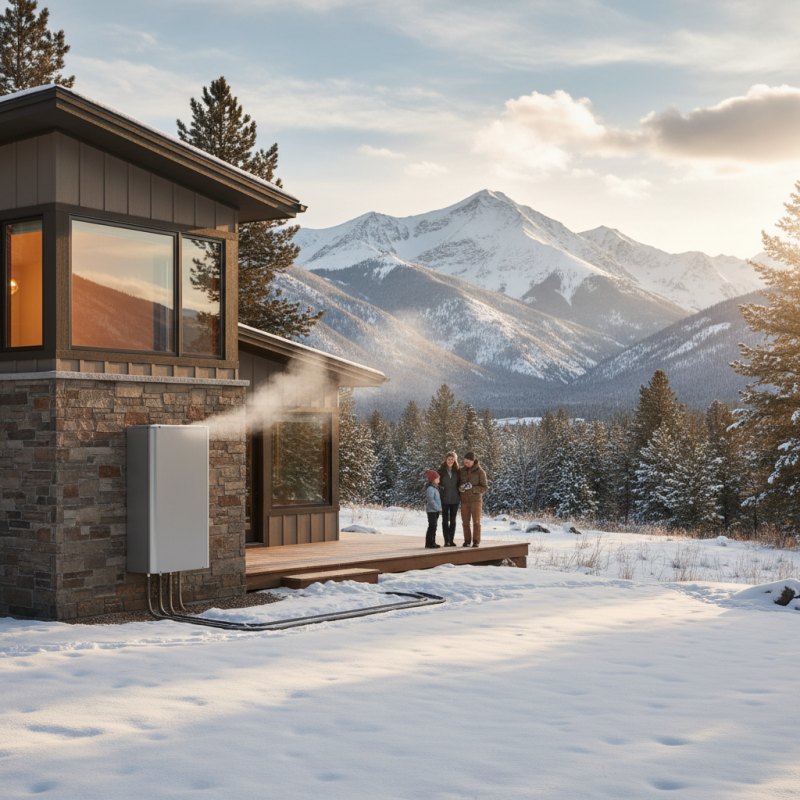
Overview of Colorado's Climate and Heating Needs
Colorado's climate presents unique challenges for heating systems, characterized by its diverse weather patterns and varying elevations. The state experiences cold, snowy winters, especially in the mountainous regions, where temperatures can drop significantly. With such fluctuations, it's essential for homeowners to have efficient heating solutions that can effectively manage both the harsh winter conditions and unpredictable spring weather. Traditional heating methods may fall short in providing consistent warmth throughout the colder months, which is why heat pumps have become increasingly popular.
Heat pumps operate by transferring heat rather than generating it, making them a versatile option for the varying climate of Colorado. During winter, they extract heat from the outside air, even in frigid conditions, and use it to warm the interior. Conversely, during the hot summer months, heat pumps can reverse their operation to provide cooling, creating an all-in-one solution for year-round comfort. Given the state's mountainous terrain and potential for sudden weather changes, selecting the right heat pump can significantly enhance energy efficiency and reduce utility costs, offering not just a practical heating solution but a sustainable approach to managing Colorado’s distinct climate challenges.
Criteria for Selecting the Best Heat Pumps
When selecting the best heat pumps for efficient heating in Colorado's climate, several criteria should be prioritized to ensure optimal performance and energy savings.
First, it's essential to consider the heat pump’s heating efficiency, often measured by the Heating Seasonal Performance Factor (HSPF).
Higher HSPF ratings indicate greater efficiency, which is vital in the colder months when heating needs escalate.
Additionally, examining the unit's performance in low temperatures is crucial, as Colorado can experience significant temperature fluctuations.
Look for models specifically designed to operate effectively in sub-zero conditions.
Another vital criterion is the size and capacity of the heat pump, which must match the specific heating requirements of your home.
An improperly sized unit can lead to subpar performance, resulting in wasted energy and increased costs.
Consulting a professional for accurate load calculations can help in selecting a heat pump that will efficiently meet the demand.
Lastly, consider the system’s features, such as variable speed compressors, smart thermostats, and multi-stage heating options,
which can enhance comfort levels and further optimize energy use throughout the year.
Top Heat Pumps for Cold Weather Performance
When selecting a heat pump for cold weather performance in Colorado, it’s essential to consider models specifically designed to handle low temperatures efficiently. These heat pumps utilize advanced technology to extract heat from the air, even when temperatures drop significantly, ensuring your home remains cozy during frigid months. Look for features such as variable-speed compressors, which allow for greater efficiency and consistent temperature control.
Tips: One effective strategy when installing a heat pump is to choose a unit with a high heating seasonal performance factor (HSPF). This rating indicates the energy efficiency of heat pumps over a heating season. Additionally, consider the installation location to maximize heat distribution; placing units away from wind and ensuring proper insulation can enhance performance significantly.
Moreover, regular maintenance is crucial for optimal operation. Ensure that filters are clean, and outdoor units are free from debris, as these factors can impact efficiency. Installing a programmable thermostat can also help to manage energy use effectively, allowing you to set appropriate temperatures for different times of the day while minimizing energy waste.
Energy Efficiency Ratings and Cost Considerations
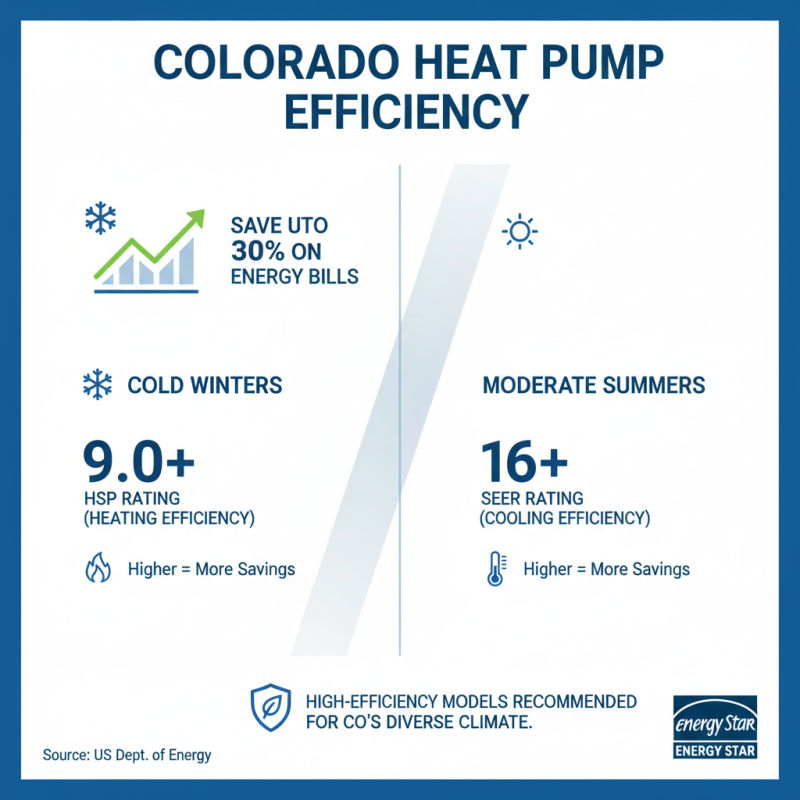
When selecting heat pumps for Colorado's diverse climate, energy efficiency ratings play a crucial role in determining the overall performance and cost-effectiveness of the unit. According to the U.S. Department of Energy, heat pumps with a higher Seasonal Energy Efficiency Ratio (SEER) and Heating Season Performance Factor (HSPF) are generally more efficient. For instance, models with a SEER rating above 16 and an HSPF rating of 9.0 or higher can significantly reduce energy consumption compared to standard units. As Colorado experiences a mix of cold winters and moderate summers, opting for high-efficiency pumps can yield considerable savings on energy bills, with reports indicating potential reductions of up to 30% annually.
Cost considerations are also paramount for homeowners. While the initial installation costs of high-efficiency heat pumps may be higher, they often pay for themselves over time through energy savings. According to the Energy Information Administration (EIA), a well-selected heat pump can reduce heating costs by approximately $2,000 over its lifespan. Additionally, various local and federal incentives may be available to offset installation costs, making energy-efficient systems more accessible. Understanding both the efficiency ratings and long-term costs is essential for making informed decisions that align with budget and energy-saving goals in Colorado's unique climate.
Installation and Maintenance Tips for Optimal Heat Pump Use
When it comes to optimizing heat pump performance in Colorado's unique climate, proper installation and diligent maintenance are crucial. According to the U.S. Department of Energy, a well-installed heat pump can achieve efficiency ratings of up to 300%, significantly lowering heating costs during the frigid winter months. Ensuring that the system is installed by a certified professional will guarantee that it operates at its most efficient level, maximizing the benefits of the investment. Proper sizing, which takes into account factors such as home insulation and local climate conditions, is particularly important in achieving optimal performance.
Regular maintenance is essential for maintaining the efficiency of heat pumps. The American Society of Heating, Refrigerating and Air-Conditioning Engineers (ASHRAE) recommends scheduling annual inspections to check components such as the refrigerant levels, electrical connections, and airflow. This routine maintenance can help identify minor issues before they escalate into costly repairs. Furthermore, cleaning or replacing filters every one to three months is vital, as dirty filters restrict airflow and reduce the system's efficiency, potentially leading to energy consumption increases of up to 15%. By following these installation and maintenance tips, homeowners can ensure their heat pumps operate efficiently, providing reliable warmth even in the coldest Colorado winters.