China Best Surveillance Spy Cam for Legal Security Use
A compact camera can protect a shop entrance, storage room, or delivery area—but only when it is selected and used responsibly. The Surveillance Spy Cam market sits within a much larger video-surveillance industry. MarketsandMarkets’ 2023 Video Surveillance Market report projected growth from USD 53.7 billion in 2023 to USD 83.3 billion by 2028. That broad forecast does not measure spy cameras alone. It does show why buyers should look beyond size and price.
Details matter. A useful device should provide clear footage in its intended lighting, dependable recording, secure account access, and a practical retention setting. Check resolution, viewing angle, night performance, power options, and data protection before comparing models made in China. Security technologist Bruce Schneier’s well-known reminder is apt: “Security is a process, not a product.” A camera cannot replace sound access control or sensible operating procedures.
Keep it lawful. Privacy requirements differ by location and setting, so confirm applicable rules before installation. Use cameras only for legitimate security purposes, disclose monitoring where required, and never place them in areas where people reasonably expect privacy. A small lens can still capture sensitive details. That deserves careful thought. This guide will help readers compare features, verify product claims, and choose a Surveillance Spy Cam that supports transparent, proportionate security. No device is perfect; responsible placement and regular review matter just as much.
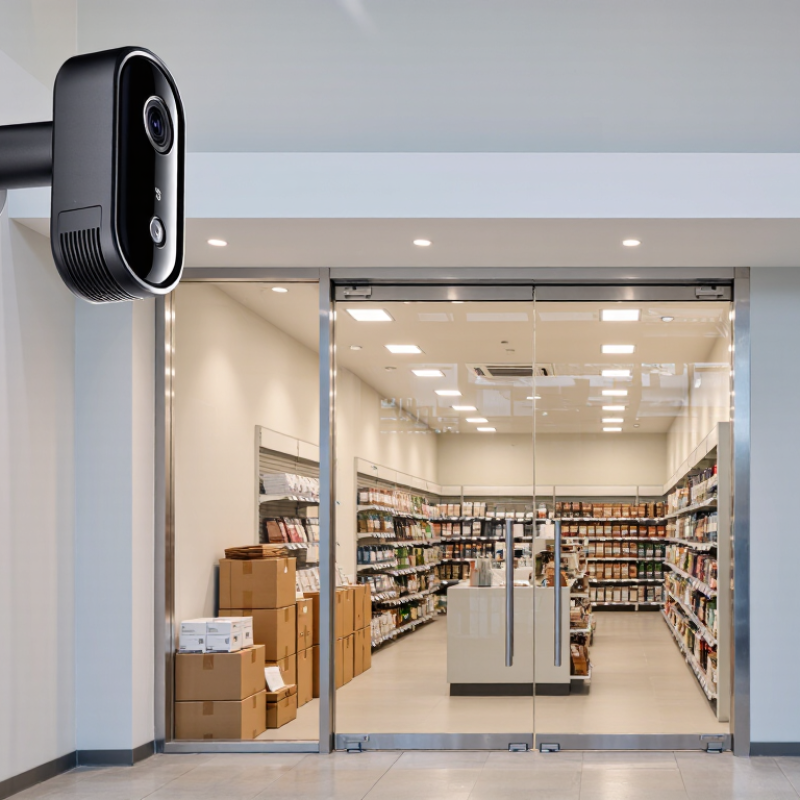
Definition and Scope of Security Spy Cameras in China
In China, “security spy camera” is a market phrase, not a precise legal device category. It usually refers to a compact camera used to monitor a defined security area, such as a shop entrance, stockroom, or equipment corridor. Small size alone does not make its use appropriate. Purpose, placement, notice, and access controls matter more than the product label.
A responsible scope separates site security from recording intimate or unrelated activity. Operators should identify a specific risk, limit the camera’s field of view, provide required notices, restrict footage access, and set a retention period. Under China’s Personal Information Protection Law, identifiable video can constitute personal information. Public-area systems may also be subject to dedicated video-image management rules. Requirements depend on the setting, so this overview is not a compliance review.
Grand View Research estimated the global video-surveillance market at USD 53.7 billion in 2023, projecting a 10.4% compound annual growth rate through 2030 in its 2024 market report. This is global data, not a China-specific count, and it covers more than compact cameras. That distinction is easy to miss. Before installation, document the use case, camera angle, audio settings, storage location, and authorized viewers. Even a well-planned setup can record more than intended; that risk deserves a practical review.
Chinese Laws Governing Surveillance Camera Use
China’s surveillance camera rules depend on where a camera is placed and why it is used. The Personal Information Protection Law requires a clear, lawful purpose and limits data collection to what is necessary. Images that identify people can receive heightened protection. The Civil Code also safeguards privacy and personal dignity.
For public-security video systems, China’s national regulations effective from April 2025 set requirements for installation, notice, use, and information management. A visible notice matters. So does restricting access to recordings and protecting them from leaks. For a home or small business, aim cameras at entrances, tills, or equipment—not a neighbor’s windows. Tell household members or staff when monitoring is in use. Never place cameras in bathrooms, changing areas, or other private spaces.
Keep the setup modest. A door camera should not capture an entire hallway if a narrow view will do. Set a retention period that fits the security need, and delete footage when it is no longer needed, subject to applicable rules. A sign alone is not enough. Local requirements and the facts of each installation can differ, so check current guidance before setting up a system. Even a well-meant camera can collect more than its owner intended.
China: Best Surveillance Spy Cam for Legal Security Use — Chinese Laws Governing Surveillance Camera Use
| Topic | Relevant rule or standard | Practical guidance for legal security use |
|---|---|---|
| Public-place video systems | The Regulations on the Administration of Public Security Video Image Information Systems took effect on April 1, 2025. They govern public-security video systems installed in public places for public safety. | Before installing a camera in a public place, check whether the installation is permitted and necessary for public safety, and follow the applicable installation, notice, operation, and record-management requirements. |
| Personal information and notice | Under the Personal Information Protection Law (PIPL), identifiable video images may be personal information. PIPL Article 26 requires public-place image collection or identification equipment to be necessary for public security, compliant with relevant state rules, and accompanied by prominent signs. | Use visible notices where required. For other camera uses that process personal information, identify a lawful basis, explain the processing as required, and collect no more information than necessary. |
| Purpose limitation | PIPL Article 26 restricts the use of images and identification information collected in public places to maintaining public security, unless a separate legal basis, such as the required individual consent, applies. | Do not repurpose security footage for unrelated monitoring, publicity, profiling, or other uses without checking that a lawful basis and required safeguards apply. |
| Private spaces and privacy | The Civil Code protects privacy and prohibits unauthorized conduct such as filming or viewing private activities or spaces. Places where people reasonably expect privacy require particular care. | Do not aim cameras into bedrooms, bathrooms, changing areas, or other private spaces. Avoid capturing neighboring homes or private activities; use privacy masks or reposition the camera where appropriate. |
| Retention and deletion | PIPL requires personal information to be retained only for the shortest period necessary to achieve the stated purpose, unless another law or regulation provides otherwise. Specific retention rules may apply to public-security video systems. | Set a documented retention period based on the security purpose and applicable rules. Automatically delete or overwrite footage when it is no longer needed, while preserving material where legally required. |
| Security and access control | PIPL requires appropriate measures to protect personal information, including controls suited to the processing risk. Video footage can expose personal and sensitive details. | Choose a camera with strong account authentication, access permissions, secure storage, and supported security updates. Restrict footage access to authorized people and keep access records where appropriate. |
| Responsible device selection | Camera features do not replace legal compliance. Audio recording, facial recognition, cloud storage, and remote access may create additional privacy or data-protection risks. | For ordinary security needs, prefer a clearly disclosed camera with a limited field of view, encrypted storage, configurable retention, and audio or biometric functions disabled unless genuinely necessary and legally justified. |
This table is a general information summary, not legal advice. Applicable requirements can depend on the camera location, operator, purpose, and data-processing arrangement.
Features to Consider for Legal Security Monitoring
For legal security monitoring, choose a camera that records only the areas needed for safety. Clear signage, a defined purpose, and a written retention schedule support responsible use; requirements vary by location. Check resolution at the actual mounting distance. A face near a dim doorway needs different coverage from a wide, sunlit loading bay. Low-light performance, wide dynamic range, and accurate timestamps can make footage more useful. Test them at night, not just in a bright showroom. Details matter.
Network security matters too. Verizon’s 2024 Data Breach Investigations Report found that 68% of breaches involved a non-malicious human element, such as mistakes or social engineering. For cameras, use unique logins, multifactor authentication, encrypted connections, and restricted staff access. IBM’s 2024 Cost of a Data Breach Report estimated the global average breach cost at US$4.88 million; that figure covers breaches broadly, not camera incidents alone. Review who can export footage and how quickly old recordings are deleted. A small trade-off remains: stronger settings can add setup work. I would still test access controls and image quality regularly, then revise the plan when the site changes.
DORI pixel-density benchmarks for security monitoring
These benchmark levels describe the image detail needed to detect, observe, recognize, or identify a subject. They are pixel-density thresholds at the subject—not camera resolution specifications. Choose placement and image quality appropriate to the lawful monitoring purpose, and follow applicable privacy laws.
Source: IEC 62676-4:2014. Values shown in pixels per meter.
How to Select and Install a Compliant Camera
China Best Surveillance Spy Cam for Legal Security Use
How to Select and Install a Compliant Camera
Choose a camera for a clear security purpose, such as monitoring your own entryway or reception desk. Check resolution, night visibility, weather protection, and secure storage before buying. The FBI’s 2022 Crime in the United States report recorded 847,522 burglary offenses, but a camera cannot guarantee prevention or recovery. Placement matters. Aim it at the area you need to protect, not a neighbor’s windows or private spaces. Check local privacy rules before recording, especially where visitors or employees may be present.
Install the camera at a stable height, with a clear view and no glare from nearby lights. Use a strong, unique password, enable multifactor authentication when available, and install security updates. Verizon’s 2024 Data Breach Investigations Report found that human involvement featured in 68% of breaches. That is a useful reminder: account settings matter as much as the device. Keep access limited to people who need it, and set a retention period rather than saving footage indefinitely. Audio recording can raise additional privacy concerns; disable it unless you have confirmed it is permitted.
Tips: Test the view from the camera’s live feed, including after dark. Check that timestamps are correct and footage can be retrieved. One detail is easy to miss: a camera may capture more than intended. Recheck its framing after installation.
Privacy, Data Access, and Footage Retention Practices
A security camera should protect a defined space, not quietly collect every detail nearby. Aim it at an entry, till, or storage door, rather than a neighbor’s window or a staff break area. A visible notice helps people understand what is recorded. Small details matter. Before installation, check local privacy rules and any workplace requirements; these can differ by location. Keep a short record of the camera’s purpose, viewing angle, and responsible contact person.
Footage needs careful handling. Limit access to named staff who need it for a clear security task, and use individual accounts with strong passwords. Where available, enable encryption and keep an access log. Do not send clips through personal messaging accounts or leave downloads on shared computers. Set a retention period that matches the real need, then configure automatic deletion and verify it works. A fixed schedule is useful, but not perfect: an incident may need footage preserved through an authorized review. Review access permissions and camera angles regularly, especially after staff changes or renovations. A forgotten camera can keep capturing more than anyone intended.

