How to Choose the Best Energy Efficient Heat Pump for Your Home in 2025
As we approach 2025, the significance of selecting the right energy efficient heat pump for residential use has never been more critical. With the growing concerns over climate change and rising energy costs, many homeowners are focusing on sustainable solutions that not only reduce their carbon footprint but also enhance energy savings. According to the U.S. Department of Energy, heating and cooling account for nearly 50% of the average home's energy consumption. Thus, opting for an energy efficient heat pump can lead to substantial savings over time.
Renowned industry expert, Dr. Emily Sanders, a leading researcher at the Energy Efficiency and Renewable Energy Lab, emphasizes the importance of making informed choices in this area. She notes, "Selecting an energy efficient heat pump can lead to a reduction in energy bills by up to 30%, while also contributing to a more sustainable future." This data underscores the growing trend towards integrating energy efficiency into home heating solutions, offering homeowners a dual benefit of cost savings and environmental responsibility.
As we delve deeper into this topic, it is crucial to understand the different types of heat pumps available, their efficiency ratings, and how they can be tailored to meet specific home needs. Making the right choice today not only benefits the homeowner financially but also supports a broader movement toward energy-efficient living.

How Energy Efficient Heat Pumps Work: A 2025 Overview
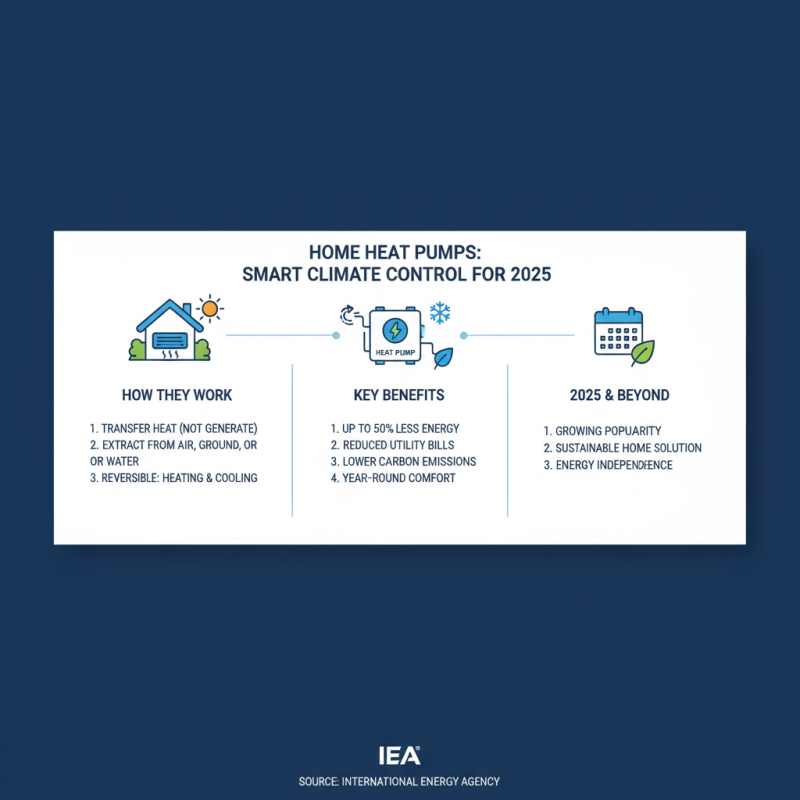
Heat pumps are an increasingly popular choice for homeowners seeking energy-efficient heating and cooling solutions, particularly as we move into 2025. These systems operate by transferring heat rather than generating it through combustion. They extract heat from the air, ground, or water and can be reverse-cycled to provide cooling in warmer months. According to the International Energy Agency (IEA), heat pumps can reduce energy consumption by up to 50% compared to traditional heating systems, making them a sustainable option for home climate control.
As global energy efficiency standards tighten, many heat pumps are designed to meet advanced regulatory requirements that enhance their performance. In 2025, efficiency ratings, such as the Coefficient of Performance (COP), become crucial factors in the decision-making process. A COP of 3.5 means that for every unit of electricity used, the heat pump generates 3.5 units of heat, highlighting its effectiveness. Additionally, advancements in inverter technology and smart controls are now integral features that optimize performance and minimize energy usage during peak demand periods. The U.S. Department of Energy reports that modern systems typically achieve higher seasonal efficiency, allowing homeowners to significantly lower their energy bills while contributing positively to environmental sustainability.
Key Considerations for Sizing Heat Pumps for Optimal Performance
When selecting an energy-efficient heat pump for your home, proper sizing is crucial for achieving optimal performance. An undersized heat pump may struggle to maintain the desired temperature, leading to increased energy consumption and discomfort. Conversely, an oversized unit can cycle on and off frequently, which not only reduces efficiency but can also shorten the system's lifespan. Therefore, understanding the heating and cooling demands specific to your home is essential.
To determine the appropriate size for your heat pump, consider factors such as the square footage of your home, insulation quality, and climate conditions. A heat load calculation, often performed by HVAC professionals, can help assess these variables effectively. Additionally, it is important to account for the layout of your space and any specific areas that may require extra heating or cooling. By tailoring the size of the heat pump to your home’s unique needs, you can enhance energy efficiency and create a more comfortable living environment.
Understanding SEER and HSPF Ratings: What to Look for in 2025
When selecting an energy-efficient heat pump in 2025, understanding SEER (Seasonal Energy Efficiency Ratio) and HSPF (Heating Seasonal Performance Factor) ratings is crucial. SEER measures the cooling efficiency of air conditioners and heat pumps over a typical cooling season. A higher SEER rating indicates greater efficiency, which translates to lower energy consumption and reduced utility bills. Homeowners should seek models with SEER ratings significantly above the minimum requirement, as advancements in technology continue to raise these benchmarks.
HSPF, on the other hand, assesses the heating efficiency of heat pumps. Similar to SEER, a higher HSPF rating signifies better energy performance during the heating season. When evaluating heat pumps, it’s essential to consider the climate in which you live since some units may perform better in specific temperature ranges. In regions with extreme cold or heat, choosing a heat pump with high SEER and HSPF ratings can greatly improve comfort and energy savings, making it a wise investment for sustainable living. Understanding these ratings empowers homeowners to make informed decisions that align with their energy efficiency goals.
Evaluating Noise Levels: Ensuring Comfort with Your Heat Pump Choice
When selecting an energy-efficient heat pump for your home, evaluating noise levels is crucial for ensuring your comfort. Heat pumps operate differently based on their technology and design, and some models can produce significant noise that may disrupt the tranquility of your living space. Manufacturers often provide decibel ratings for their units, which can help you gauge the expected sound levels. Keeping an eye on these ratings allows homeowners to make informed decisions, especially for those who value a peaceful environment.
In addition to the decibel rating, the type of heat pump can influence noise output. For instance, ground-source heat pumps typically operate more quietly than air-source models due to their installation underground, where sound impacts are minimized. It's also essential to consider the placement of the unit; for example, positioning outdoor units away from bedrooms or living areas can reduce potential noise disturbances. Ultimately, prioritizing both efficiency and low noise output will lead to a more comfortable and restful home environment.
Comparing Costs: Initial Investment vs. Long-term Savings in 2025
When considering an energy-efficient heat pump for your home in 2025, understanding the balance between initial investment and long-term savings is crucial. While the upfront cost of high-efficiency models may seem daunting, they typically offer significant savings over time through reduced energy bills. This is particularly relevant as energy prices continue to climb, making the consideration of operational costs vital for homeowners. The long-term savings can often offset the initial outlay, resulting in a more economical choice in the lifespan of the system.
Additionally, when calculating the total cost of ownership, it's essential to factor in maintenance costs and potential tax incentives that may be available for energy-efficient installations. Many areas offer rebates or tax credits to encourage homeowners to invest in greener alternatives. Over time, these incentives, combined with the reduced need for repairs and maintenance due to the advanced technology of modern heat pumps, can further enhance the financial benefits. Thus, investing in a high-quality heat pump not only contributes to energy savings but also supports a sustainable future, making it a worthwhile consideration for homeowners in 2025.
Comparing Initial Investment vs. Long-term Savings for Energy Efficient Heat Pumps in 2025