How to Choose the Best Solar Heat Pump for Your Home?
Choosing the best solar heat pump for your home involves careful consideration. Solar heat pumps are an efficient way to harness renewable energy. They provide heating and cooling by utilizing solar energy, which can lower utility bills.
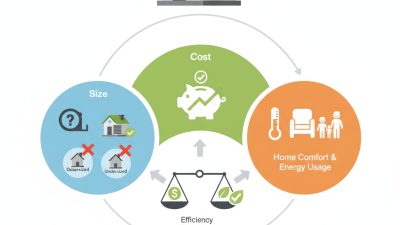
When selecting a solar heat pump, evaluate the size required for your home. An oversized model may cause inefficiency. Conversely, a unit that is too small will struggle to meet your needs. Additionally, the type of solar heat pump matters. Air-source models are popular, but ground-source options might be more effective in specific climates.
Not all solar heat pumps are made equal. Research brands and read reviews to ensure reliability. Seek recommendations from local professionals who understand your unique needs. Remember to consider maintenance costs and warranty options. Each of these factors plays a role in your long-term satisfaction with your solar heat pump.
Understanding Solar Heat Pumps and Their Benefits
Solar heat pumps are an innovative solution for heating and cooling your home efficiently. They harness the sun's energy, converting it into usable thermal energy. This process reduces reliance on traditional energy sources, lowering utility bills and minimizing carbon footprints. Furthermore, solar heat pumps work effectively in various climates, making them versatile options for many homeowners.
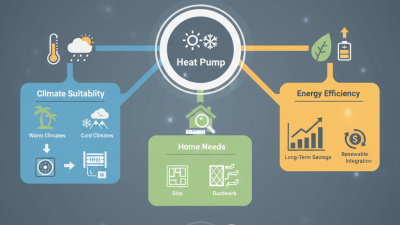
The benefits of solar heat pumps extend beyond savings. They also promote energy independence. Many homes are increasingly looking to reduce their dependence on fossil fuels. With solar heat pumps, you can generate power on-site. However, selecting the right system requires careful thought. Consider factors like your home’s size, climate, and energy needs. Research local climate conditions to determine the pump's efficiency potential. Consultation with experts can offer insights tailored to your specific situation.
Installation costs may initially discourage some homeowners. However, tax incentives and rebates can alleviate this burden. Evaluating these financial incentives can be both time-consuming and complicated. Seeking guidance from reputable sources might clarify your options. Remember, investing time in research can lead to long-term benefits and greater satisfaction with your decision.
How to Choose the Best Solar Heat Pump for Your Home?
| Feature |
Description |
Benefits |
| Energy Efficiency |
High coefficient of performance (COP) indicating effective energy use. |
Lower energy bills and reduced carbon footprint. |
| Capacity |
Sized based on home heating and cooling requirements. |
Enhanced comfort and efficiency in temperature control. |
| Climate Compatibility |
Designed to work effectively in a variety of climate conditions. |
Reliable performance year-round, regardless of weather extremes. |
| Installation |
Should be installed by certified professionals to meet local codes. |
Ensures safety, efficiency, and compliance with regulations. |
| Maintenance |
Regular checks and servicing recommended for optimal performance. |
Extends lifespan and efficiency of the system. |
| Incentives |
Potential rebates and tax credits available for solar heat pump installation. |
Reduces upfront costs and enhances return on investment. |
Assessing Your Home’s Heating Needs and Environment
Choosing the right solar heat pump involves careful assessment of your home’s heating needs and environment. Start by evaluating your home’s insulation. A well-insulated home retains heat more effectively, making it more energy-efficient. According to the U.S. Department of Energy, poorly insulated homes can increase heating costs by over 20%. Insulation type and quality play a crucial role in this.
Next, consider your local climate. Regions with mild winters may require different systems than those facing extreme cold. The average seasonal temperature significantly impacts heat pump efficiency. A study from the National Renewable Energy Laboratory indicates that performance can decrease by over 30% in sub-freezing temperatures. Thus, understand your climate and select a system capable of handling local conditions.
Tips: Always check the Seasonal Energy Efficiency Ratio (SEER) ratings. Higher ratings mean better efficiency. Install multiple zones in larger homes for consistent heating. Evaluate the layout of your property. Placement of outdoor units can affect performance, especially if obstructed by trees or structures. Regular maintenance can also enhance efficiency and lifetime performance.
Heating Needs Assessment for Solar Heat Pumps
This bar chart illustrates different categories of heating needs for residential settings, quantified in kilowatts (kW). Assessing these needs is crucial for selecting the most suitable solar heat pump solution for your home.
Evaluating Different Types of Solar Heat Pumps
When evaluating different types of solar heat pumps, consider their unique features and efficiencies.
Air-source pumps are popular. They extract heat from the outside air, even in chilly conditions. These systems can be cost-effective and easy to install. However, their efficiency drops in freezing temperatures. You might need to supplement them with additional heating sources.
Ground-source heat pumps are another option. They utilize stable underground temperatures. This makes them highly efficient year-round. Installation often requires significant upfront investment and space for digging. Homeowners should weigh the long-term energy savings against the initial costs. The payback period can be several years, leading to mixed feelings.
Hybrid systems combine various heating methods. They adapt to conditions dynamically, maximizing energy efficiency. While they provide flexibility, choosing the right configuration can be complex. Consult with a professional to find the best fit for your needs. Understanding the specifics of each type ensures a more informed decision.
Comparing Energy Efficiency Ratings and Costs
When selecting a solar heat pump for your home,
energy efficiency ratings and costs are crucial factors. Industry reports indicate that
energy efficiency can significantly impact your long-term savings. The
Seasonal Energy Efficiency Ratio (SEER)
and Heating Seasonal Performance Factor (HSPF)
are two vital metrics. A SEER rating above 16 and HSPF
above 9 generally reflect superior efficiency.
According to the U.S. Department of Energy, choosing
a high-efficiency model can save homeowners up to $600
annually on energy costs.
Cost considerations go hand in hand with efficiency ratings. The initial investment for
high-efficiency models can be steep, often exceeding $5,000.
However, these expenses often pay off in five to seven years
through energy savings and incentives. Data from the Energy Information Administration
shows that operating costs for inefficient models can be nearly
30% higher over time.
It's worth pondering whether the initial savings are worth the potential higher costs of a
less efficient system. Balancing upfront costs with long-term performance requires careful calculation.
Finally, consider installation costs, which also vary widely. A professional installation
can range from $1,000 to $3,000 depending on your
home setup. Always request multiple quotes from certified technicians. Reflecting on
the trade-offs between efficiency, cost, and installation can help make a more informed choice.
Installation Considerations and Maintenance Tips
When choosing a solar heat pump, installation considerations are key. Proper placement ensures optimal efficiency. Ideally, the unit should be located in a sunny area to maximize heat absorption. The orientation of the solar panels influences energy collection. Some studies suggest that south-facing installations can increase efficiency by up to 30%. It's essential to consider local climate, as regions with more sunlight yield better performance.
Maintenance is another critical aspect. Regular inspections help ensure the system runs smoothly. This includes checking for debris on solar panels and inspecting refrigerant levels. Data from industry reports indicate that well-maintained systems have a lifespan of 15 to 20 years. However, neglect can lead to reduced efficiency and increased costs. Homeowners should also evaluate the inverter, as it is a vital component that converts solar energy into usable electricity.
It’s common to overlook potential installation challenges, such as obtaining permits or working with local regulations. With increasing popularity, the demand for qualified installers has risen. Yet, finding certified professionals can be difficult. Homeowners should invest time in research to ensure reliable service. This diligence helps in selecting the best solar heat pump tailored to unique home needs.