How to Choose an Energy Efficient Heat Pump for Your Home?
Choosing an energy efficient heat pump for your home is crucial in today's energy-conscious world. Experts like Dr. Jane Thompson, a leading specialist in HVAC technology, emphasize, "Selecting the right heat pump can significantly reduce your energy bills."
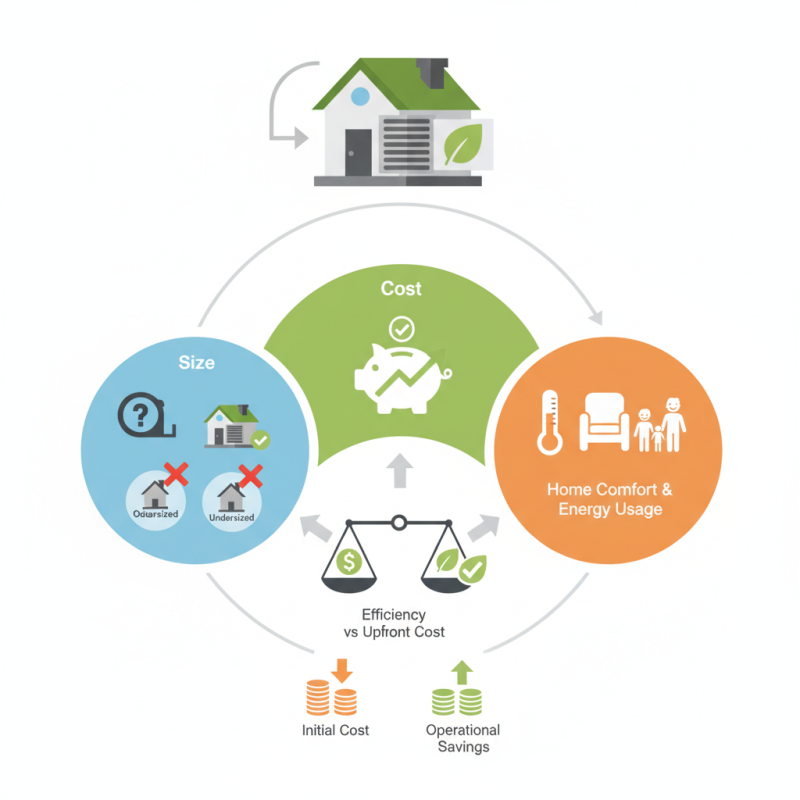
When considering an energy efficient heat pump, various factors come into play. Size matters. An oversized unit may lead to inefficiency and higher costs. Conversely, a unit that is too small will struggle to heat or cool your space effectively.
Cost is another critical aspect. Initial pricing might discourage homeowners, but lower operational costs can lead to long-term savings. Reflect on how this investment impacts your home comfort and energy usage. Are you prioritizing efficiency over upfront costs? It’s a delicate balance that requires careful thought.
Understanding Heat Pumps: Types and Their Efficiency Ratings
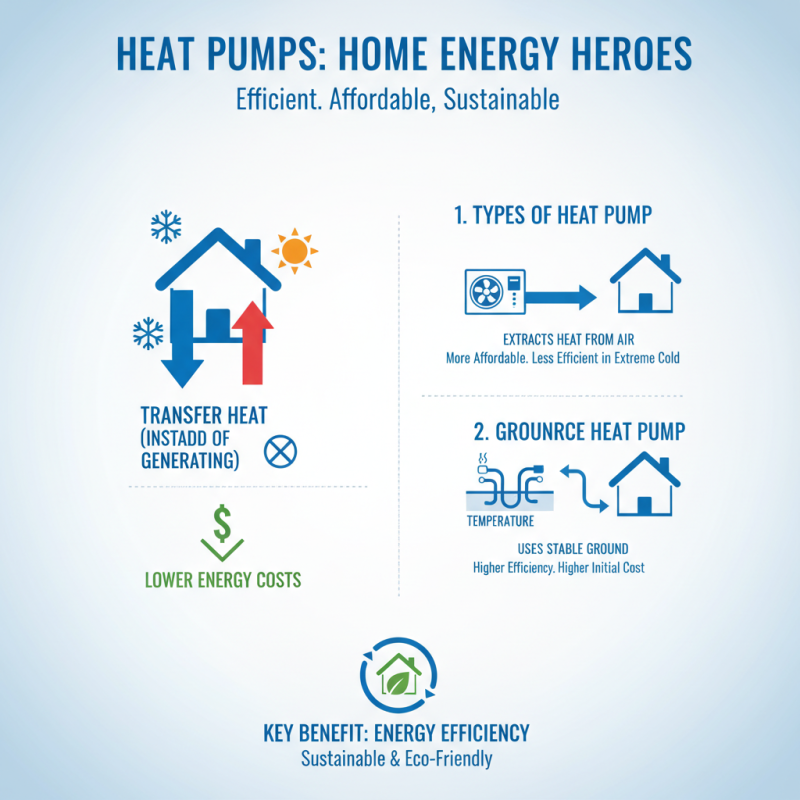
Heat pumps are vital for home energy efficiency. They transfer heat instead of generating it. This method can significantly lower energy costs. There are two main types: air-source and ground-source heat pumps. Air-source pumps extract heat from the air. They are generally more affordable but less efficient in extreme cold.
Efficiency ratings are crucial when selecting a heat pump. The Seasonal Energy Efficiency Ratio (SEER) measures cooling efficiency. An SEER of 14 or higher is recommended for optimal performance. The Heating Seasonal Performance Factor (HSPF) measures heating efficiency. An HSPF of 8.2 or higher is ideal. According to the U.S. Department of Energy, proper sizing and installation can increase efficiency by up to 20%.
Consider your home's insulation when choosing a pump. Poor insulation can lead to significant energy waste. Many homeowners overlook this aspect. A heat pump will not perform effectively if your home is drafty. Assessing both the type of heat pump and your home’s condition is essential for getting the most out of your investment.
Key Factors to Consider When Choosing an Energy Efficient Heat Pump
Choosing an energy-efficient heat pump for your home is a significant decision. Key factors play a crucial role in ensuring you make the right choice. Start by assessing the size of your home. A heat pump that is too small will struggle to maintain comfortable temperatures. Conversely, an oversized unit can lead to wasted energy and higher bills.
Next, consider the climate in your area. In colder regions, a pump with a lower temperature rating is essential. This will ensure it operates effectively even in chilly conditions. Pay attention to the heating season performance factor (HSPF) and seasonal energy efficiency ratio (SEER). Higher ratings indicate better efficiency.
Installation is another critical aspect. A proper installation can enhance performance. Look for professionals who understand local building codes and best practices. Ignoring this may result in inefficiencies that negate the benefits of energy savings. Regular maintenance is key, too. Neglecting this can lead to decreased efficiency over time.
Evaluating the Sizing and Capacity Needs for Your Home
When selecting an energy-efficient heat pump, sizing is crucial. A unit that's too small won't heat or cool properly. Conversely, an oversized heat pump can lead to inefficiency and increased wear. To determine the right size, consider your home’s square footage, insulation, and climate zone.
A great tip is to perform a Manual J calculation. This will analyze heat loss and gain in your home. Incorrect calculations can lead to costly mistakes. Don’t just rely on rough estimates. Also, think about your home layout. Open space may require different solutions compared to a more compartmentalized layout.
While researching, visit your property on different days. Observe how temperatures fluctuate in various rooms. Notice any drafts or hot spots. It’s important to have a comprehensive understanding before making a choice. Don’t hesitate to consult professionals but also question their recommendations. Your home is unique, and it’s essential to reflect on your specific needs.
Energy Efficiency Ratings of Heat Pumps
Exploring Installation Options and Cost Considerations
When considering installation options for an energy-efficient heat pump, various factors come into play. The type of heat pump you select—air source, ground source, or water source—can significantly influence installation complexity and cost. According to the U.S. Department of Energy, an air-source heat pump can lower energy bills by up to 50% when compared to conventional heating systems. However, installation costs might vary. On average, homeowners can expect to pay between $3,500 and $8,000, depending on local labor rates and home size.
It's essential to look beyond just initial costs. Installation may require modifications to existing ductwork or electrical systems. This can lead to additional expenses. For example, a poorly designed system might lead to inefficiencies, increasing energy bills over time. A study by the International Energy Agency noted that poorly installed heat pumps can operate at only 70% efficiency. Thus, selecting a qualified installer is crucial. Their expertise can ensure proper sizing and optimal performance.
Choosing a heat pump is not purely about upfront costs. You must factor in installation quality and long-term savings. Sometimes, spending a little more now can lead to better efficiency and comfort later. The journey to finding the right heat pump requires careful thought and planning.
Maintaining Your Heat Pump for Long-Term Efficiency and Performance
To maintain your heat pump's efficiency, regular upkeep is crucial. This ensures optimal performance throughout its lifespan. Check the air filters frequently. Dirty filters make the system work harder, which consumes more energy. Also, inspect the outdoor unit for debris, such as leaves or dirt. Keeping it clean can significantly enhance airflow.
Tips: Clean or replace filters every 1-3 months in peak seasons.
Consider scheduling professional maintenance at least once a year. Trained technicians can identify problems before they escalate. They will check refrigerant levels and ensure the electrical components are functioning correctly. Regular servicing prolongs your heat pump's life.
Tips: Look for signs of wear, like strange noises or fluctuating temperatures.
Lastly, pay attention to your thermostat settings. Adjusting temperature too radically can strain the system. Instead, aim for gradual changes. This not only saves energy but also maintains optimal comfort in your home. Regular care fosters efficiency and longevity.
How to Choose an Energy Efficient Heat Pump for Your Home? - Maintaining Your Heat Pump for Long-Term Efficiency and Performance
| Feature |
Description |
Efficiency Rating |
Estimated Cost |
| SEER Rating |
Seasonal Energy Efficiency Ratio for cooling. |
Above 16 |
$3,000 - $4,500 |
| HSPF Rating |
Heating Seasonal Performance Factor for heating. |
Above 9.0 |
$3,500 - $5,000 |
| Noise Level |
Measured in decibels (dB). |
Below 60 dB |
$2,500 - $4,000 |
| Rebates |
State and local incentives for energy-efficient systems. |
Variable |
N/A |
| Warranty |
Length and coverage of the warranty. |
10 years |
N/A |