How to Choose the Right Heat Pump System for Your Home?
Choosing the right heat pump system for your home can be daunting. Experts like Dr. Anna Harris, a renowned HVAC specialist, often emphasize, "The right heating solution can make all the difference." Understanding your needs is vital. Not all heat pump systems work equally well in every home.
When selecting a heat pump, consider your climate. A system that performs well in a temperate zone may struggle in extreme temperatures. Efficiency ratings and installation specifics matter. Yet, many homeowners overlook these factors. They may choose systems based solely on price, leading to long-term dissatisfaction.
Embrace the learning process. Ask questions and seek expert opinions. This will help you avoid costly mistakes. Remember, investing time in research can lead to better decisions. Making the right choice for your heat pump system can enhance comfort and save energy. It's worth the effort.
Understanding Heat Pump Systems: Types and Functionality
When choosing a heat pump system, understanding the types and functionality is crucial. Heat pumps come in various forms. They can be air-source, ground-source, or water-source. Each type operates differently.
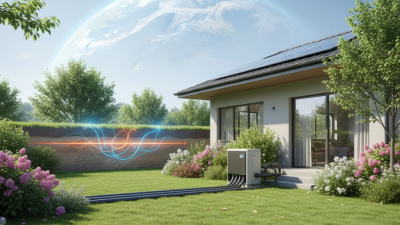
Air-source heat pumps transfer heat between your home and the outside air. They are common for residential use. Ground-source systems, or geothermal pumps, utilize the steady temperature of the earth. They can be more efficient but require more extensive installation. Water-source pumps draw energy from nearby water bodies. They can be effective if you have access to a lake or river.
Tips: Consider the climate in your region. In colder areas, an air-source system may struggle. Be aware of installation costs and potential space requirements. A geothermal system might need significant land if you choose horizontal loops.
Evaluate your energy needs carefully. Oversizing a heat pump can lead to inefficiency. A smaller unit may not provide enough heat. It’s often challenging to balance costs with efficiency. Reflect on your household’s specific heating and cooling demands. Your choices should align with both your budget and your comfort preferences.
Factors to Consider When Choosing a Heat Pump for Your Home
When selecting a heat pump system for your home, consider several key factors. The size of your home is crucial. A heat pump that is too large or too small can lead to inefficiency. According to the U.S. Department of Energy, an appropriately sized unit can save you 10-30% on energy bills.
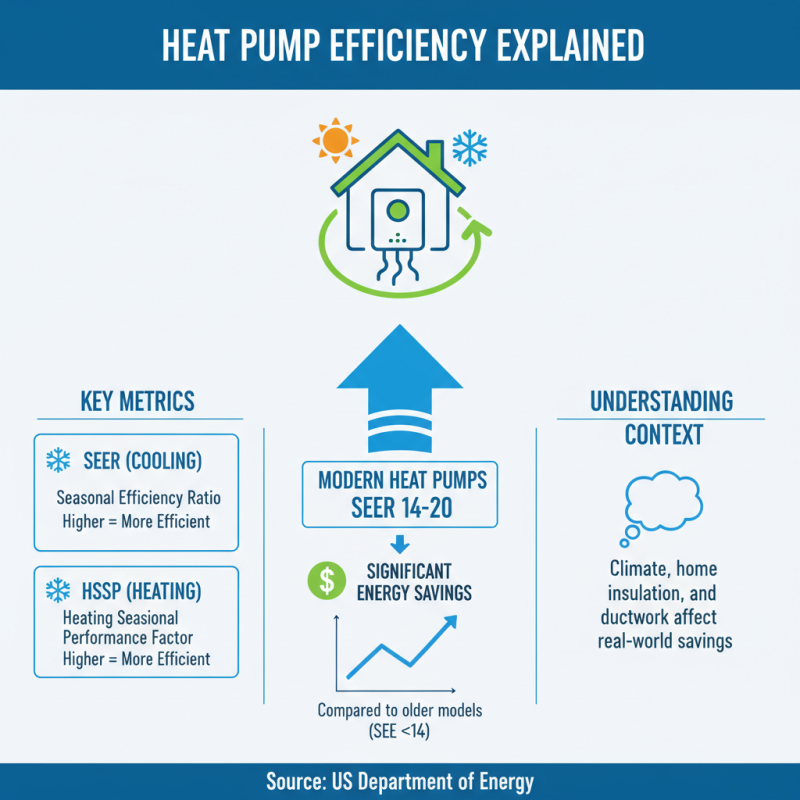
Energy efficiency ratings are another important aspect. Look for units with high Seasonal Energy Efficiency Ratio (SEER) and Heating Seasonal Performance Factor (HSPF) scores. The higher these ratings, the lower your utility costs will be. Many studies suggest a model with a SEER of at least 14 offers optimal savings.
Installation type matters, too. Ducted systems require existing ductwork, while ductless systems can be more flexible for various spaces. Some homes may face challenges with ductwork installation, making ductless options more appealing. Remember, local climate conditions also play a role. Areas with extreme temperatures might need more robust systems. Ultimately, ensure you weigh these factors carefully to avoid costly mistakes.
Evaluating Efficiency Ratings and Performance Metrics
Choosing the right heat pump system hinges heavily on understanding efficiency ratings and performance metrics. Efficiency ratings, like the Seasonal Energy Efficiency Ratio (SEER) and Heating Seasonal Performance Factor (HSPF), offer insight into how well a unit converts electricity into heating or cooling. According to the U.S. Department of Energy, a heat pump with a SEER rating of 14-20 can yield significant savings compared to older models. However, these numbers can be misleading without context.
When evaluating performance metrics, consider both the climate and system size. A unit that performs well in a warm climate might struggle in colder areas. The American Society of Heating, Refrigerating and Air-Conditioning Engineers (ASHRAE) recommends sizing the heat pump based on detailed energy calculations. Oversized systems can lead to inefficient cycling, wasting energy and increasing wear.
Tips: Always check local climate compatibility. A unit suited for a moderate climate might not provide adequate heating in winter. Also, inspect both energy efficiency and capacity ratings before making a decision. Remember, appearances can be deceptive. A high-efficiency rating doesn't guarantee performance in your specific situation. Balancing these factors is essential for optimal comfort and efficiency.
Installation Requirements and Space Considerations
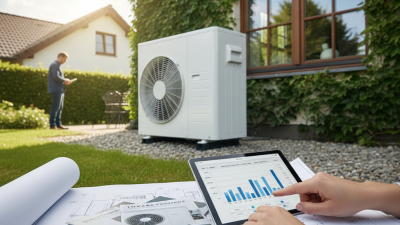
When choosing a heat pump system, installation requirements are critical. You need adequate space for the system. It is essential to consider both indoor and outdoor units. Outdoor units must have clear airflow and be placed away from obstructions. Carefully measuring the area ensures you avoid costly mistakes later.
Indoor units should complement your room layout. Check for ceiling height, wall space, and furniture placement. A cramped space may hinder the system's efficiency. Proper insulation is vital. Without it, you may encounter performance issues and higher energy bills. Ensure your home meets necessary electrical and plumbing standards.
Don’t discount local building codes either. They can dictate specific installation procedures. Some systems may require specialized mounting or clearances. If unsure, consulting with a professional is wise. Ignoring these considerations can lead to wasted energy and increased maintenance costs. Thoughtful planning can save you headaches down the road.
How to Choose the Right Heat Pump System for Your Home? - Installation Requirements and Space Considerations
| Heat Pump Type |
Installation Requirements |
Space Considerations |
Efficiency Rating (SEER/HSPF) |
Typical Cost Range |
| Air Source Heat Pump |
Outdoor unit placement, good ventilation |
Requires sufficient outdoor space |
14-20 SEER / 8-12 HSPF |
$3,500 - $7,500 |
| Ground Source Heat Pump |
Requires ground loop installation |
More space needed for ground loops |
15-25 SEER / 8-10 HSPF |
$10,000 - $25,000 |
| Water Source Heat Pump |
Access to water body for installation |
Need proximity to water source |
15-20 SEER / 9-12 HSPF |
$8,000 - $18,000 |
| Ductless Mini-Split Heat Pump |
No ductwork needed, easy installation |
Ideal for small spaces or retrofits |
16-30 SEER / 9-12 HSPF |
$4,000 - $12,000 |
Maintenance Needs and Lifespan of Heat Pump Systems
Choosing the right heat pump system goes beyond initial costs. Maintenance plays a crucial role in its lifespan. Regular check-ups can prevent larger issues. Neglecting maintenance often leads to serious problems later on. A well-maintained heat pump can last over 15 years, while a neglected one may fail within a decade.
Consider filters and coils. Dirty filters can reduce efficiency by 15%. Cleaning them regularly is essential. Some homeowners forget this step and face higher energy bills. Additionally, checking the refrigerant levels is key. Low refrigerant can harm the system. Ignoring these small details can lead to big repairs.
Be aware of odd sounds or smells. They might indicate an underlying issue. Addressing these signs early can ensure longevity. A bit of attention can go a long way. Remember, the right heat pump system not only saves energy but also enhances comfort at home.