How to Choose the Best Heat Pumps for Your Home?
Choosing the best heat pumps for your home can be challenging. Many factors come into play, influencing efficiency and comfort. Heat pumps serve as both heating and cooling systems, making them versatile for various climates.
Consider your home's size and insulation. A larger home may require a more powerful heat pump. Energy efficiency ratings are vital. They show how well a heat pump converts energy into heat or cool air. Look for models with high SEER and HSPF ratings.
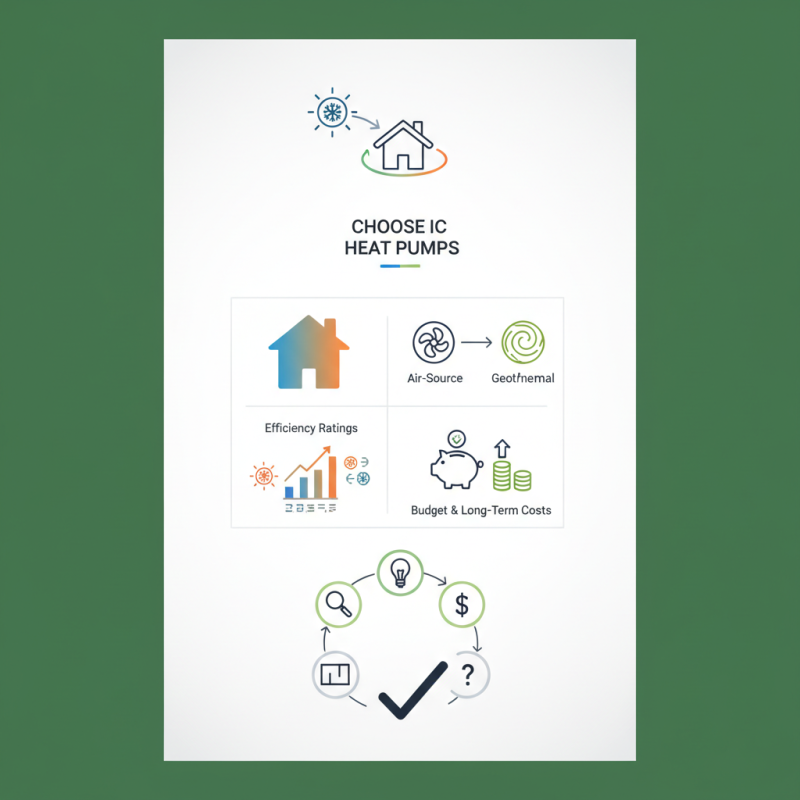
Think about the type of heat pump that suits your needs. Air-source models are common, but geothermal options are more efficient in specific areas. Reflect on your budget and long-term costs. A more efficient heat pump can save money over time but may have a higher upfront cost. Ultimately, gather all these details to make an informed decision.
Understanding Heat Pumps: Types and Functionality
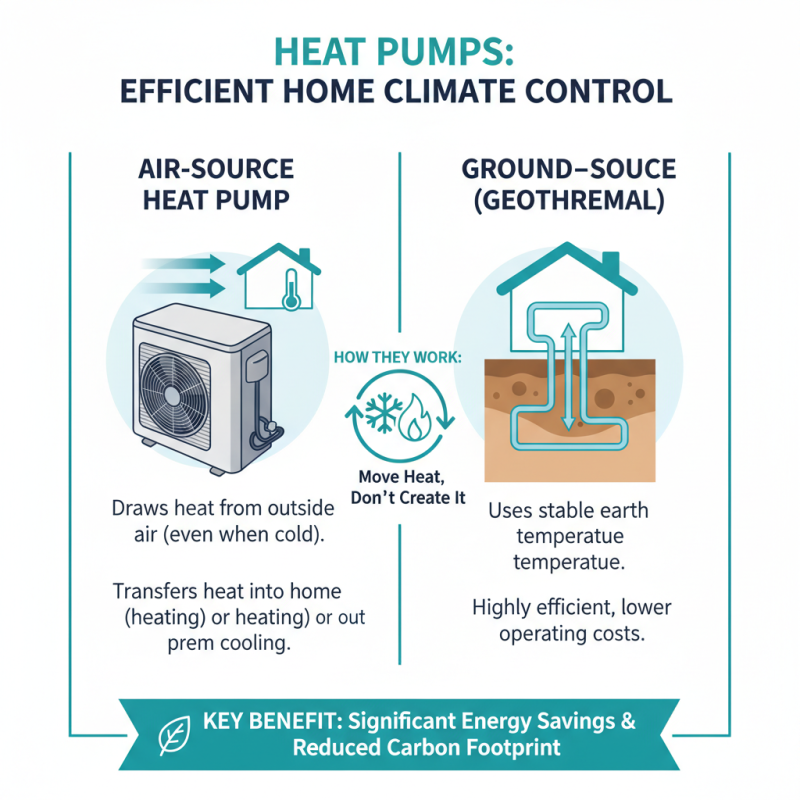
Heat pumps offer an efficient way to heat or cool your home. Understanding how they work is key to making the right choice. There are mainly two types: air-source and ground-source heat pumps. Air-source pumps draw heat from the outside air, even when it's cold. Ground-source pumps, or geothermal heat pumps, use the earth’s stable temperature. This can lead to significant energy savings.
Tips: Consider your home's insulation. A well-insulated home maximizes heat pump efficiency. Check local climate conditions, too. Your choice depends on how extreme your temperatures get. Both types have their pros and cons. For instance, air-source pumps are easier to install but can be less efficient in freezing temperatures. Ground-source pumps require more upfront investment but provide consistent performance.
Be aware of noise levels as well. Some units can be quite loud, potentially disturbing your peace. Review your space and lifestyle needs. Reflect on your bathroom heating or cooling preferences, for example. What works for one person may not work for you. Always think about long-term costs, not just initial prices. A heat pump can be a great investment if you choose wisely.
Assessing Your Home's Heating and Cooling Needs
When assessing your home's heating and cooling needs, start by understanding the size and layout of your space. A poorly insulated area will require a more powerful heat pump. According to the U.S. Department of Energy, homes with high-quality insulation can save up to 30% on energy bills. An energy audit can help identify gaps in insulation and ductwork.
Consider the climate in your region. Colder areas need heat pumps with higher ratings for heating efficiency. The Heating Seasonal Performance Factor (HSPF) is essential here. A higher HSPF means better energy efficiency in heating mode. Some reports indicate that heat pumps with an HSPF rating above 8 can significantly cut heating costs.
Tips: Think about dual-function units. These can heat in winter and cool in summer. They adapt according to seasonal needs. Always consult a professional for load calculation. This analysis determines your specific requirements. Ensure the capacity matches your needs. Oversized units can lead to inefficiency and humidity issues.
Keep in mind, maintenance is crucial. Regular checks can prevent costly repairs. Even small issues should be addressed quickly. Not all installations meet high standards. Look for certified professionals who understand local regulations. Make decisions based on thorough research and careful consideration.
How to Choose the Best Heat Pumps for Your Home? - Assessing Your Home's Heating and Cooling Needs
| Heat Pump Type |
Heating Efficiency (HSPF) |
Cooling Efficiency (SEER) |
Noise Level (dB) |
Average Cost ($) |
| Air Source Heat Pump |
8.0 - 12.0 |
14 - 20 |
50 - 65 |
3,500 - 7,500 |
| Geothermal Heat Pump |
14.0 - 25.0 |
16 - 27 |
40 - 60 |
10,000 - 30,000 |
| Ductless Mini-Split Heat Pump |
8.5 - 12.5 |
18 - 30 |
19 - 40 |
3,000 - 8,000 |
| Hybrid Heat Pump |
9.0 - 13.0 |
16 - 23 |
50 - 70 |
4,000 - 9,000 |
Factors to Consider When Choosing a Heat Pump
When selecting a heat pump, several factors demand your attention.
Efficiency ratings are crucial.
The Seasonal Energy Efficiency Ratio (SEER) indicates cooling efficiency, while the
Heating Seasonal Performance Factor (HSPF) shows heating efficiency. Research from
the U.S. Department of Energy reveals that a heat pump with a higher HSPF can save you
up to 30% on energy bills compared to
older models.
Consider the climate in your area. A heat pump may
perform optimally in moderate weather but struggle in extreme temperatures. Data indicates
that in colder regions, some heat pumps may lose efficiency below 30°F. You might find
yourself needing supplemental heating, which could impact overall energy costs.
Installation quality matters significantly. A poorly installed system can reduce
efficiency by up to 20%. It’s essential to choose experienced
professionals for installation. The right size
is equally vital. An oversized unit may cycle on and off frequently, wasting energy. Use heat load
calculations to determine the appropriate capacity for your home. Remember, making informed
decisions can lead to better comfort and savings.
Comparing Efficiency Ratings and Energy Costs
Choosing the right heat pump for your home can be overwhelming. Energy costs and efficiency ratings play a significant role. Understanding these factors helps you make informed decisions. Efficiency ratings are often marked by the Seasonal Energy Efficiency Ratio (SEER) and Heating Seasonal Performance Factor (HSPF). Higher ratings usually mean lower energy costs. But remember, not all high-rated units suit every home.
Tips: Compare these ratings before buying. Note that real-world performance may differ due to installation and maintenance. Don't rely solely on numbers. Sometimes cheaper models can outperform pricier ones, depending on your needs.
Energy costs vary by region and usage. The right heat pump should balance upfront expenses and long-term savings. Pay attention to local climate conditions. A unit designed for warm climates could be inefficient in colder areas. Reflect on your home’s insulation and size, too. These factors impact how effectively a heat pump heats or cools your space.
Tips: Consult with a professional for advice tailored to your home. Keep in mind that ongoing maintenance is crucial for efficiency. Ignoring it can lead to higher energy bills. Always be open to learning about new models. The best choice for your home may change over time.
Heat Pump Efficiency Ratings and Energy Costs
Installation and Maintenance Considerations for Heat Pumps
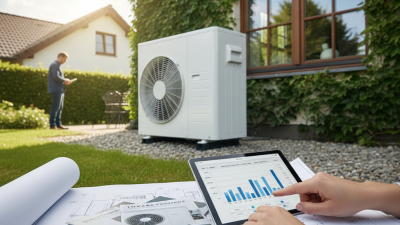
When installing a heat pump, consider location and accessibility. Proper placement can greatly enhance efficiency. The U.S. Department of Energy states that well-placed systems can cut energy bills by up to 30%. Ensure your heat pump is not obstructed by trees or shrubs. Avoid installing units in damp areas. These conditions can reduce performance and lead to premature wear.
Regular maintenance is crucial for longevity. Change filters every 1-3 months, depending on usage. Clean the outdoor unit regularly to remove dust and debris. Neglecting maintenance can decrease efficiency significantly. According to a study by the Air-Conditioning, Heating, and Refrigeration Institute, improper maintenance can cost homeowners over 100 dollars annually in energy waste.
Tip: Schedule a professional inspection at least once a year. Technicians can spot potential issues early. This proactive step can help you avoid costly repairs down the line. Remember, a heat pump's efficiency can drop by 5% for every year without maintenance. Small actions lead to larger savings and better performance.