10 Tips for Energy Efficient Heating to Reduce Your Bills This Winter
As winter approaches, the challenge of keeping our homes warm while managing energy bills becomes increasingly critical. Energy efficient heating not only enhances comfort, but also plays a vital role in reducing monthly expenses and environmental impact. According to Dr. Emily Green, an expert in sustainable energy solutions, "Investing in energy efficient heating systems is one of the most effective ways to lower your utility costs while contributing positively to our planet." This statement underscores the importance of adopting practices that not only benefit the household budget but also promote sustainability.
In this article, we will explore ten practical tips for improving energy efficient heating in your home. From optimizing your thermostat settings to ensuring proper insulation, these strategies can lead to significant savings on heating costs without sacrificing comfort. As we delve into each tip, you'll discover actionable insights that empower you to transform your heating practices this winter, making your home not only warmer, but also more energy efficient. By implementing these recommendations, you can enjoy a cozy winter season while keeping your bills in check.
Understanding Energy Efficient Heating Systems
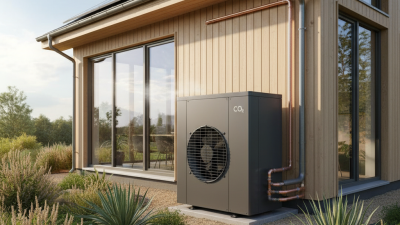
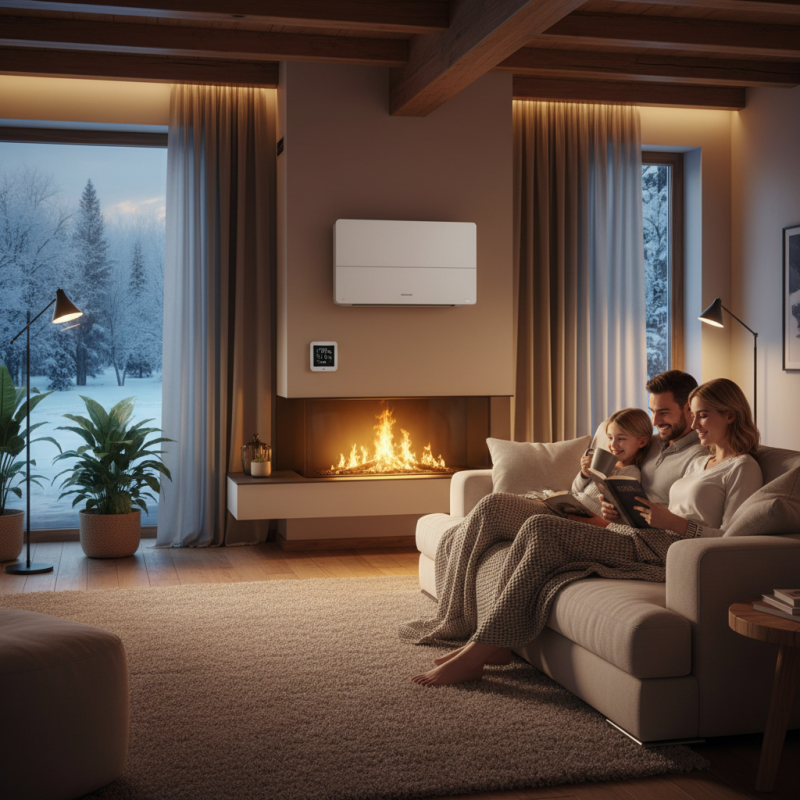
Energy-efficient heating systems are designed to provide comfort while minimizing energy consumption, which is essential during the colder months. Understanding these systems can lead to significant savings on your heating bills. One effective option is a high-efficiency furnace, which converts a larger portion of fuel into heat, thus reducing energy waste. Additionally, heat pumps are gaining popularity as they use electricity to move heat rather than generate it, making them an eco-friendly alternative.
When considering your heating methods, implementing simple yet effective tips can enhance efficiency. For instance, improving insulation in your home prevents heat loss, allowing your heating system to work more effectively. Regular maintenance of your heating system, including cleaning and checking for leaks, can also optimize performance. Furthermore, utilizing a programmable thermostat helps you manage indoor temperatures intelligently, ensuring you only heat your space when necessary, which can lead to substantial cost savings over time.
Choosing the Right Thermostat for Optimal Performance
When it comes to effective heating this winter, choosing the right thermostat can make a significant difference in your energy usage and overall comfort. A programmable or smart thermostat allows you to set specific heating schedules that align with your daily routines, ensuring that your home is warm when you need it and conserving energy when you're away. By allowing for adjustments based on occupancy and time of day, these thermostats optimize performance and can lead to substantial savings on your utility bills.
In addition to selecting the right thermostat, there are several tips you can implement to enhance your heating efficiency. For instance, sealing drafts around windows and doors can prevent warm air from escaping, allowing your heating system to work more effectively. Regular maintenance, such as cleaning or replacing filters, ensures that your heating system operates smoothly and efficiently, reducing energy consumption.
Moreover, consider adjusting your thermostat settings by lowering the temperature a few degrees at night or when you're away from home. This small change can make a big impact on your overall heating costs. By combining the right thermostat with these energy-efficient practices, you can enjoy a warm home while keeping your bills in check this winter.
Energy Efficient Heating Tips - Monthly Savings Analysis
Insulating Your Home to Retain Heat Effectively
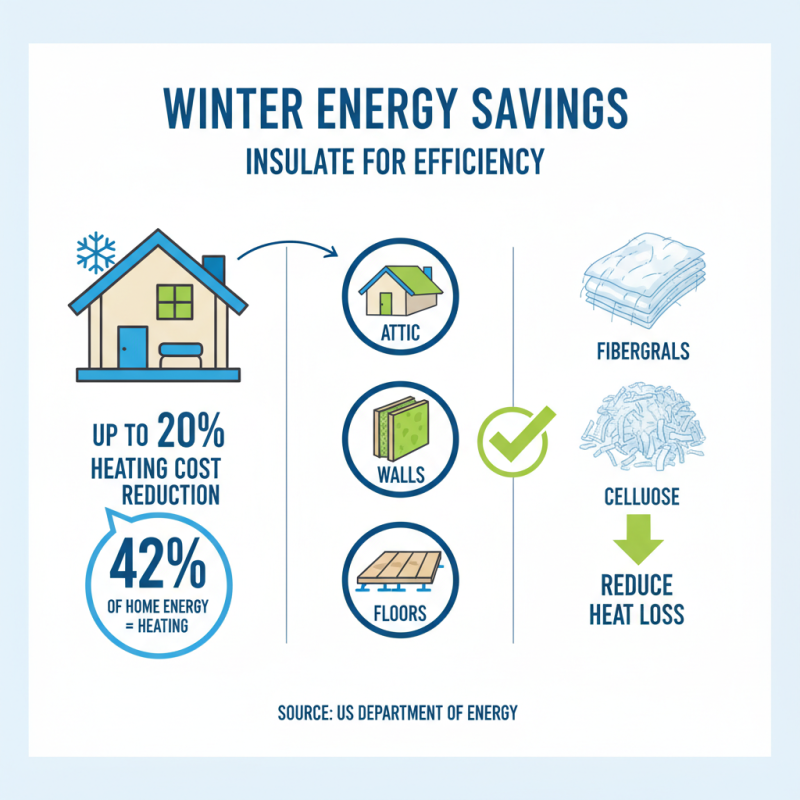
Proper insulation is paramount in maintaining an energy-efficient home during the winter months. According to the U.S. Department of Energy, a well-insulated home can save homeowners up to 20% on heating costs. This is particularly critical, as heating typically accounts for about 42% of energy expenditures in an average household. To maximize energy efficiency, homeowners should ensure that their attics, walls, and floors are adequately insulated. Adding insulation made from materials like fiberglass or cellulose can significantly reduce the amount of heat lost through these areas, thus keeping the indoor environment comfortable while minimizing energy expenses.
Furthermore, sealing gaps, cracks, and openings around windows and doors can prevent cold drafts from entering the home and warm air from escaping. The National Renewable Energy Laboratory found that effective air sealing combined with proper insulation can enhance a home’s energy efficiency by up to 30%. By implementing these measures, you not only create a more comfortable living space but also contribute to a significant reduction in carbon footprint. Overall, investing in insulation and air sealing can lead to substantial long-term savings and sustainable energy consumption.
Regular Maintenance Tips for Heating Equipment
Regular maintenance of heating equipment is essential for ensuring optimal performance and energy efficiency throughout the winter months. One of the key maintenance steps is to schedule annual inspections with a qualified technician. During these inspections, professionals can check for any potential issues, clean vital components, and ensure everything is functioning smoothly. This proactive approach can prevent unexpected breakdowns and help extend the lifespan of your heating system.
In addition to professional maintenance, homeowners can take several simple steps to keep their heating systems in top shape. Regularly changing the air filters is crucial, as clogged filters can restrict airflow and dramatically reduce efficiency. It's recommended to check and replace filters every one to three months, depending on usage. Another important task is to keep vents and radiators clear of obstructions. Furniture, drapes, or other items blocking vents can lead to uneven heating and increased energy consumption. By embracing these maintenance practices, you can not only enhance your heating system's efficiency but also enjoy a more comfortable living environment during the colder months.
Smart Ways to Use Natural Heat Sources in Winter
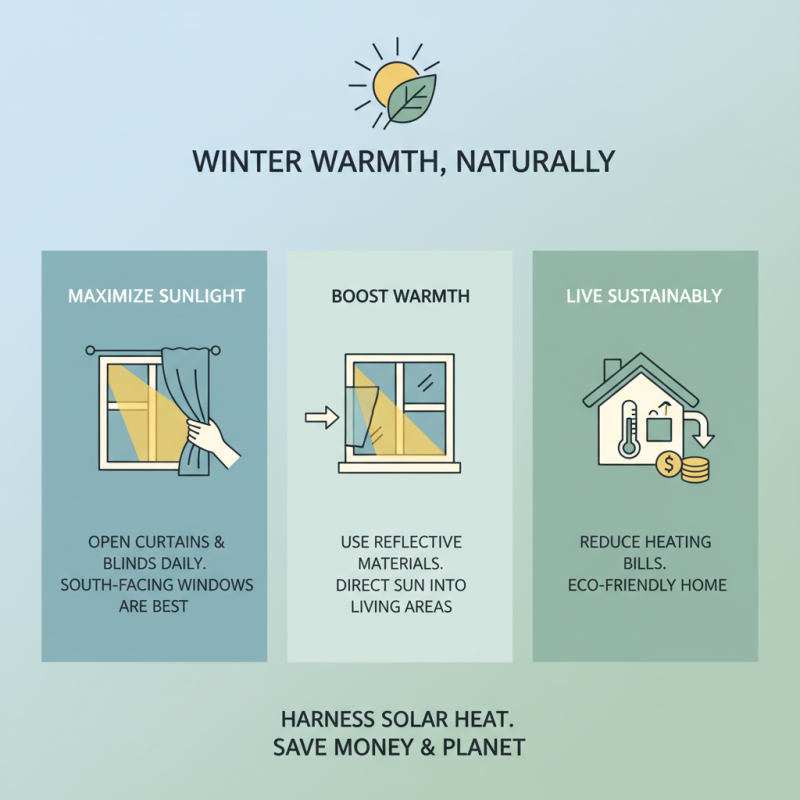
Harnessing natural heat sources during winter can significantly reduce your heating bills while contributing to a more sustainable lifestyle. One effective method is to maximize sunlight by keeping curtains and blinds open during the day, allowing sunlight to naturally warm your living spaces. South-facing windows are particularly beneficial as they capture the most sunlight. To enhance this effect, consider using reflective materials to direct additional sunlight into the room, creating a warmer atmosphere without relying heavily on artificial heating.
Additionally, sealing drafts and insulating your home effectively can help retain the natural heat generated from sunlight. Simple measures, such as applying weatherstripping around doors and windows, can minimize heat loss. In areas that receive less sunlight, utilizing internal heat sources, like cooking or baking, can also contribute to maintaining warmth in your home. By strategically planning activities that generate heat during the day, you can further leverage the natural warmth available to you and create a cozy environment without over-relying on centralized heating systems.