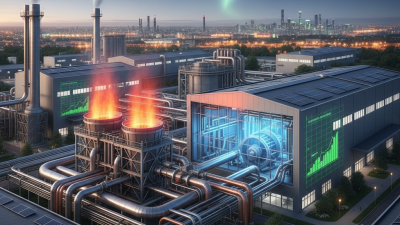
Why is Energy Smart Technology Essential for a Sustainable Future?
In an era of rapid climate change, energy smart technology emerges as a beacon of hope. These innovations promise a sustainable future. By integrating smart grids and efficient appliances, we can drastically reduce energy waste. Picture homes powered by renewable sources, equipped with intelligent systems that optimize usage. This shift is essential, yet many still rely on outdated methods.
Energy smart technology is not just about convenience; it’s a necessity. Cities are expanding, and energy demands are growing. People often overlook their impact on the environment. They might think their actions don’t matter, but every choice counts. Transitioning to energy smart solutions can seem overwhelming, but it’s a pivotal change we must face.
Investments in this area can yield significant returns. However, widespread adoption still faces barriers. Some people resist change, clinging to familiar habits. Understanding the importance of energy smart tech is crucial. We must acknowledge its role in creating a sustainable world. This technology offers a path forward, but only if we embrace it fully.
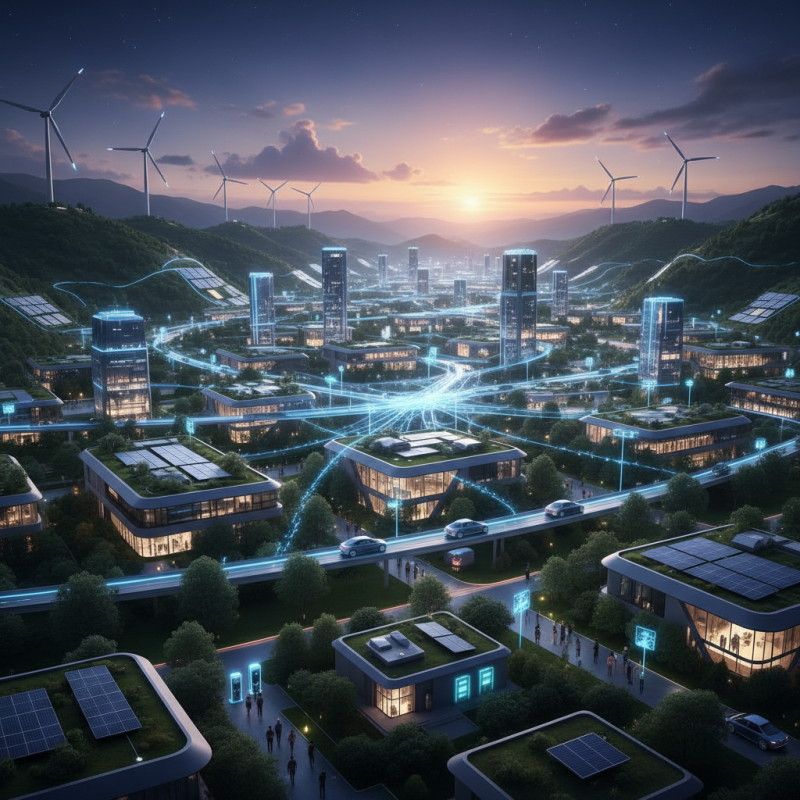
The Role of Energy Smart Technology in Reducing Carbon Footprint
Energy Smart Technology holds significant promise for reducing our carbon footprint. The International Energy Agency (IEA) states that smart technologies can reduce global energy use by 10% by 2030. This reduction is crucial in the fight against climate change. Buildings consume a large percentage of global energy. Integrating smart sensors and automated systems can cut emissions significantly. For instance, smart thermostats can decrease heating and cooling costs by as much as 20%.
Moreover, energy-efficient appliances and devices are key players in this shift. According to the U.S. Department of Energy, these appliances can save households around $500 annually on energy bills. However, adoption rates are still lower than expected. Many people are unaware of these technologies or their potential benefits. Public awareness campaigns are vital.
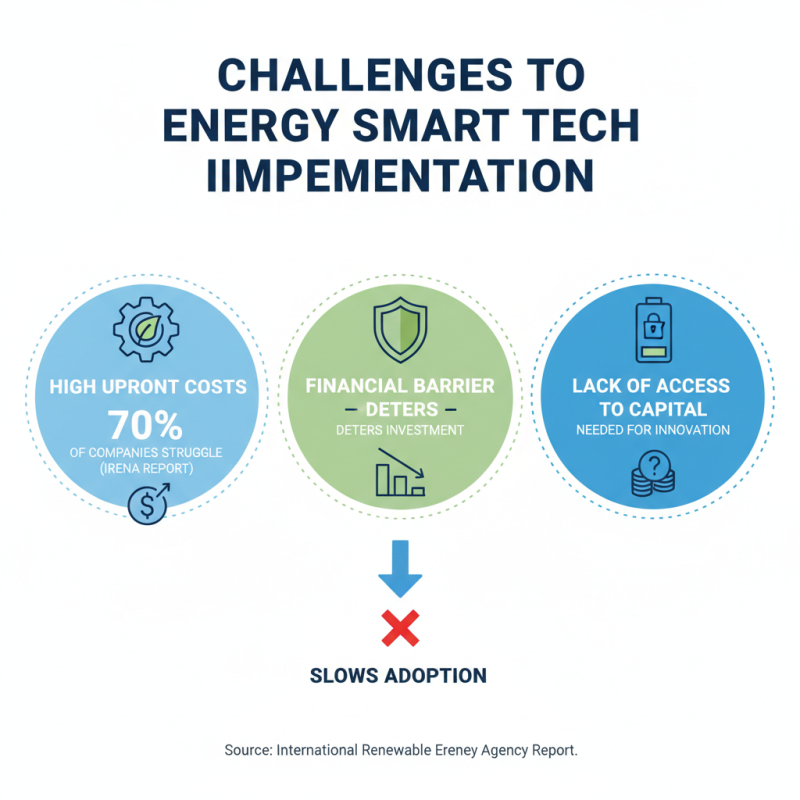
On a practical level, transitioning to smarter energy systems has its challenges. Infrastructure upgrades require investment and planning. Sometimes, the cost can deter businesses and homeowners from making changes. This can slow the progress we need for sustainability. A collective effort is necessary to ensure widespread use of energy smart technology. We need to reflect on how to make this innovative technology accessible to everyone.
Key Components of Energy Smart Technology and Their Functions
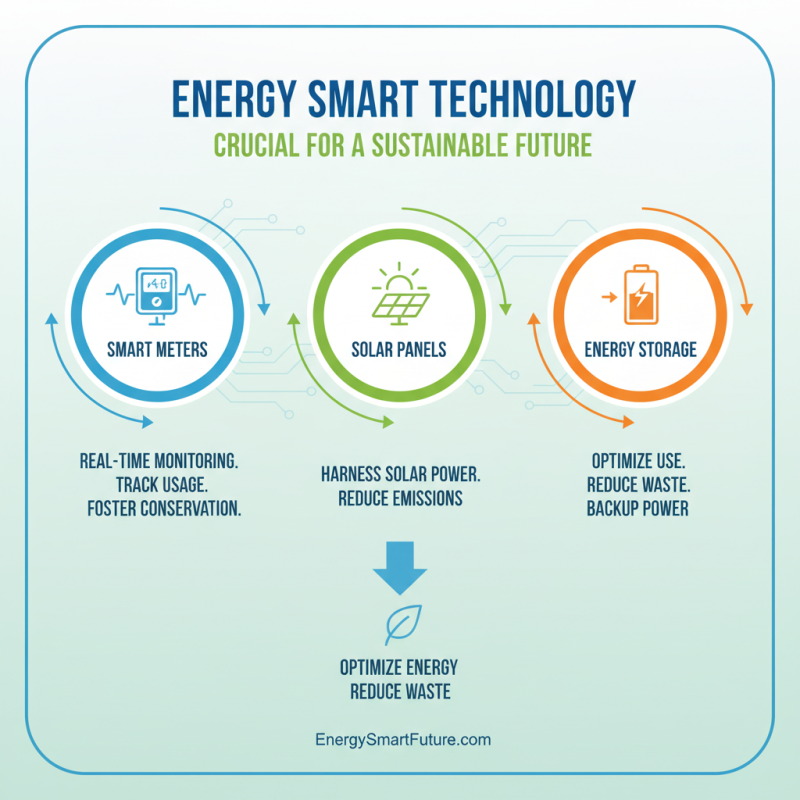
Energy Smart Technology is crucial for a sustainable future. It centers around components that optimize energy use and reduce waste. Key components include smart meters, solar panels, and energy storage systems. Smart meters enable real-time energy monitoring. They help consumers track usage patterns. This data fosters conservation habits.
Solar panels harness renewable energy. In 2022, solar energy accounted for 10% of total U.S. electricity generation, a trend that is growing. Energy storage systems support this by storing excess energy. They enhance reliability and stability in power supply. A recent report indicates that global energy storage capacity will reach 1,223 GWh by 2040. Yet, challenges remain, such as the high cost of implementation.
Tips: Consider investing in energy-efficient appliances. They can reduce energy consumption significantly. Regularly review your energy usage data to identify areas for improvement. Small changes can lead to substantial savings over time. Being aware is the first step to a smarter energy future.
Impact of Energy Smart Technology on Renewable Energy Integration
Energy Smart Technology plays a vital role in integrating renewable energy sources. According to a report by the International Renewable Energy Agency (IRENA), the global renewable energy share could rise to 65% by 2050 with the right technologies. Smart grids optimize energy flow, improving reliability and efficiency. They manage diverse energy inputs, from solar to wind, ensuring stability.
Real-time data is crucial. Energy Smart Technology uses sensors and analytics to monitor systems. These measures enhance demand response capabilities. For example, during peak hours, smart systems can reduce loads intelligently. This coordination can cut emissions significantly, as per the U.S. Department of Energy's research. Yet, challenges remain. Security concerns persist, with potential cyber threats undermining infrastructure.
The transition is not without faults. Many existing grids were not designed for high levels of renewable energy. Aging infrastructure poses hurdles. Moreover, public awareness and acceptance of technology lag. A study from the Rocky Mountain Institute highlights that education and transparency are key for community engagement. It’s clear that while the path to efficient renewable integration is promising, it requires careful navigation and continuous improvement.
Impact of Energy Smart Technology on Renewable Energy Integration
Future Trends and Innovations in Energy Smart Technology for Sustainability
Energy Smart Technology plays a vital role in creating a sustainable future. Emerging trends show a shift towards more efficient energy consumption. From smart grids to advanced sensors, innovation thrives. These technologies monitor energy use and optimize distribution. They can reduce peak loads, enhancing grid stability. However, reliance on new technologies raises questions about accessibility.
Innovations like renewable energy integration and energy storage systems are crucial. As businesses adopt these technologies, they improve efficiency and reduce waste. Smart homes are becoming common, allowing users to control energy consumption in real-time. Yet, not everyone has access to these advancements. This digital divide could lead to disparities in energy savings.
The future also includes breakthroughs in energy management systems. Artificial intelligence can predict energy demands and supply. While this is promising, it requires ongoing development to ensure reliability. Early adopters might face challenges, as systems may not work as intended. As we advance, continuous feedback will be essential for improvement and adaptation.