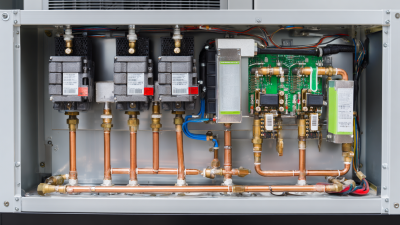
What is a Heat Pump Boiler? Understanding Efficiency and Benefits
In recent years, the heat pump boiler industry has gained significant traction as a sustainable heating solution, appealing to both residential and commercial sectors. According to a report by the International Energy Agency (IEA), the adoption of heat pump systems could contribute to a 40% reduction in global carbon emissions by 2050. This transition towards greater energy efficiency is critical in combating climate change while also addressing rising energy costs, making heat pump boilers a top choice for energy-conscious consumers.
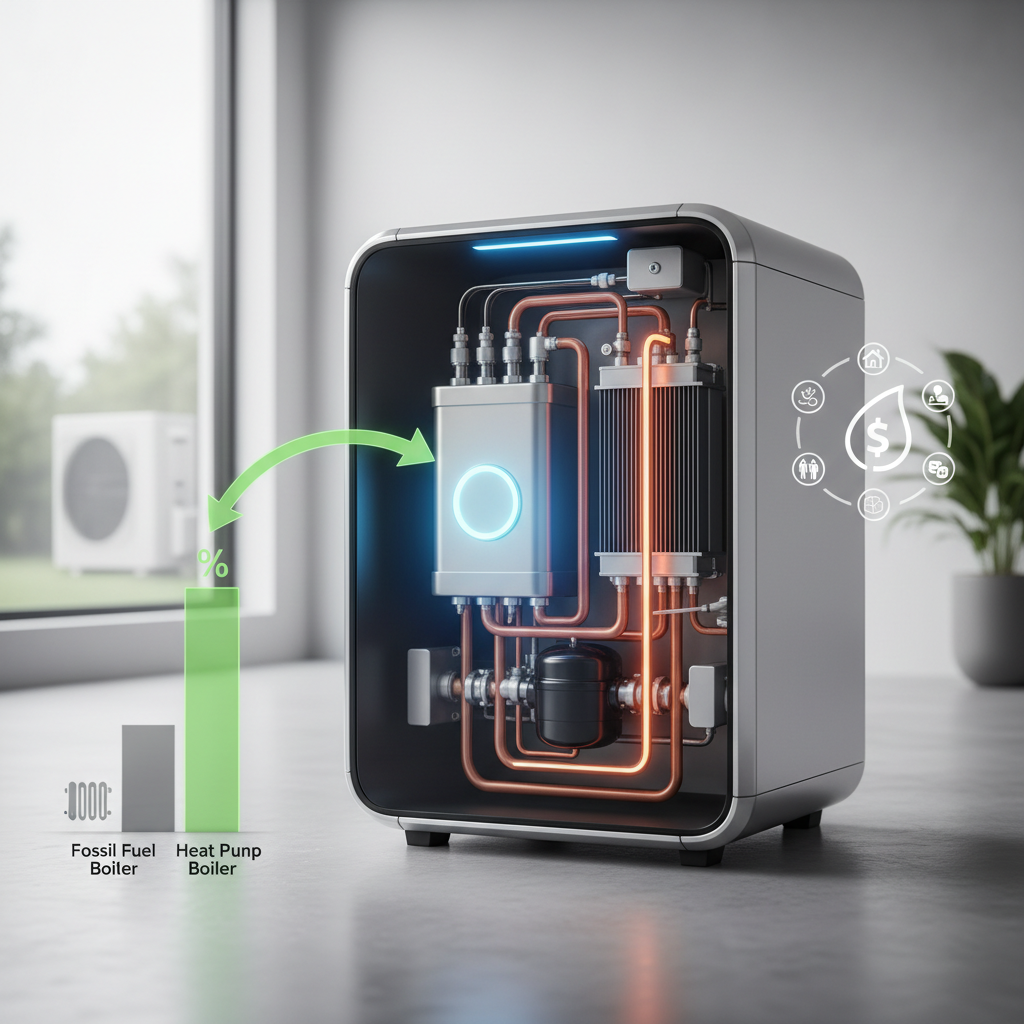
Industry expert Dr. Emily Sinclair, a leading researcher in renewable energy technologies, emphasizes the importance of this shift:
"Heat pump boilers represent not just a technological advancement but a fundamental change in how we think about heating and energy consumption."With their ability to extract heat from the surrounding environment, heat pump boilers operate at much higher efficiencies than traditional fossil fuel heating systems—often achieving efficiency ratings of up to 400%. As advancements in technology continue to emerge, understanding the operational benefits and efficiency of heat pump boilers becomes essential for those looking to invest in future-proof heating solutions.
Understanding Heat Pump Boilers: Definitions and Mechanisms of Operation
Environmental Impact: Reducing Carbon Footprint with Heat Pump Technology
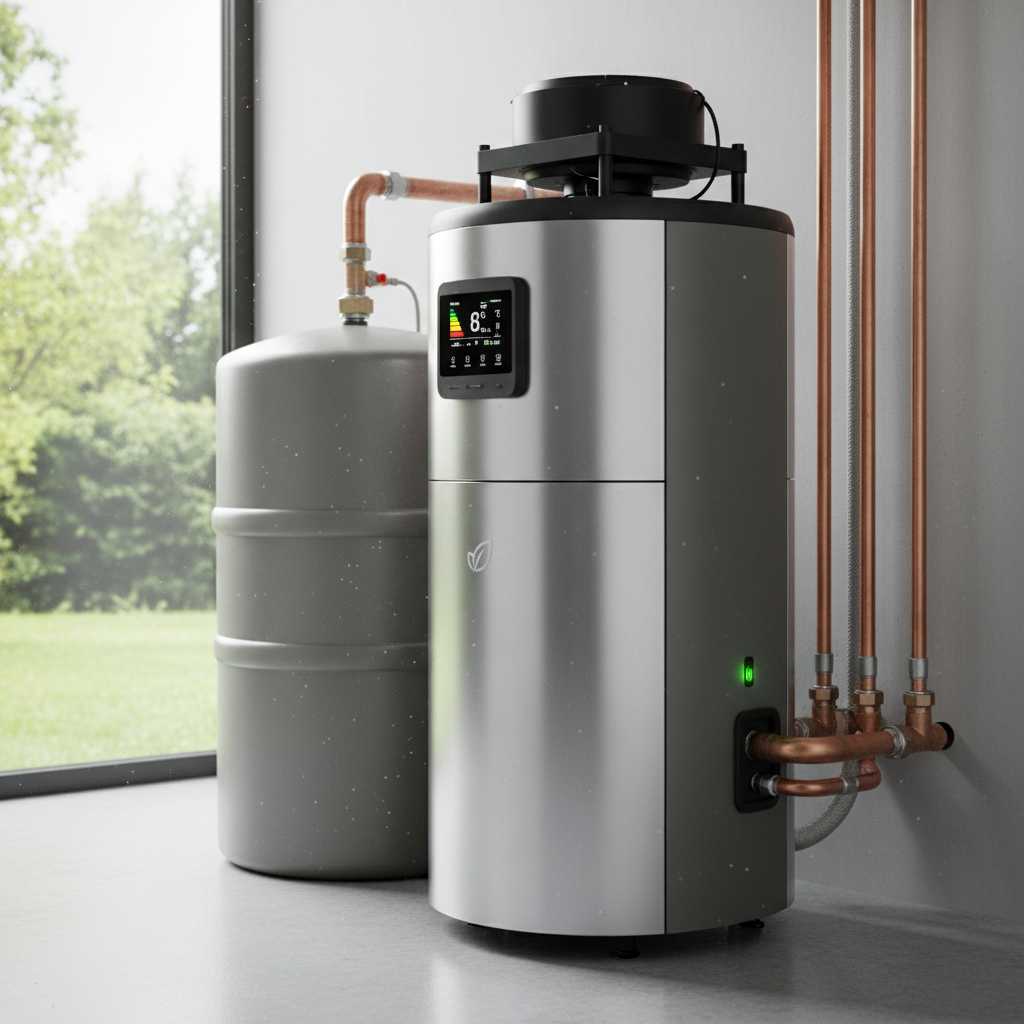
Heat Pump Boiler Efficiency Comparison
This bar chart compares the efficiency ratings (in terms of Seasonal Performance Factor) of different types of heating systems. Heat pumps generally offer higher efficiency than standard gas boilers, which can lead to significant energy savings and reduced carbon emissions.
Efficiency Ratings of Heat Pump Boilers: SEER, HSPF, and COP Explained
Heat pump boilers are increasingly recognized for their energy efficiency and environmental benefits.
Understanding the efficiency ratings of these systems is essential for consumers seeking sustainable heating solutions. The three main ratings to consider are SEER (Seasonal Energy Efficiency Ratio), HSPF (Heating Seasonal Performance Factor), and COP (Coefficient of Performance). SEER measures cooling efficiency, while HSPF focuses on heating performance over the season, and COP offers a straightforward ratio of heat output to energy input. Higher ratings indicate greater efficiency, ultimately leading to lower energy bills and reduced carbon footprints.
When choosing a heat pump boiler, consider the specific climate of your region. In colder areas, look for units with a high HSPF to ensure adequate heating performance. Additionally, regularly maintaining your heat pump can significantly improve its efficiency ratings, so don’t neglect preventative service checks.
Tip: Invest in a heat pump boiler with a SEER rating above 14 for optimal cooling efficiency and lower energy costs. Also, ensure the selected unit is properly sized for your home to avoid wasting energy and potentially damaging the system. Making informed decisions can lead to long-term savings and a smaller ecological impact.
Comparative Analysis: Heat Pump Boilers vs. Traditional Heating Systems
Heat pump boilers are emerging as an energy-efficient alternative to traditional heating systems. In the context of rising energy costs, the efficiency of heat pumps compared to gas or electric heat is becoming increasingly relevant. According to market analysis, the global heating equipment market is projected to experience substantial growth, expanding from $115.57 billion in 2025 to $171.75 billion by 2032, at a compound annual growth rate (CAGR) of 5.8%. This trend emphasizes the growing preference for sustainable and cost-effective heating solutions.
A comparative assessment of heat pump technologies shows that high temperature heat pumps (HTHP) can effectively upgrade district heating systems. For instance, research highlights the capability of HTHP technology in elevating district heating temperatures from 85 °C to providing 1 MW steam at 160 °C, thus enhancing thermal and economic performance. This advancement underpins the efficiency narrative, as heat pumps typically outperform traditional boilers in energy usage, leading to lower operating costs and reduced greenhouse gas emissions. As more homeowners opt for clean heating systems, understanding the benefits and efficiencies of heat pump boilers becomes crucial in making informed decisions about heating solutions.
Cost-Benefit Analysis: Long-Term Savings with Heat Pump Boiler Installation
Heat pump boilers are increasingly recognized for their energy efficiency and long-term cost savings. According to the U.S. Department of Energy, heat pumps can reduce energy consumption by 50% when compared to traditional heating methods. This notable efficiency stems from their ability to transfer heat rather than generate it, using electricity efficiently for heating and cooling. As more homeowners consider sustainable options, installing a heat pump boiler becomes not just an eco-friendly choice but a financially savvy one.
A cost-benefit analysis reveals that while the upfront installation cost of a heat pump boiler may be higher than conventional systems, the long-term savings are compelling. Research from the Energy Saving Trust indicates that households can save up to £1,000 annually on energy bills with a renewable heat source. Additionally, government incentives can offset installation costs, further enhancing the economic appeal of these systems.
Tip: When evaluating a heat pump boiler installation, consider factors such as your local climate and the size of your property to maximize efficiency and savings.
Tip: Regular maintenance and smart home integration, like programmable thermostats, can optimize the performance of your heat pump boiler, prolonging its lifespan and enhancing energy savings.
Environmental Impact: Reducing Carbon Footprint with Heat Pump Technology
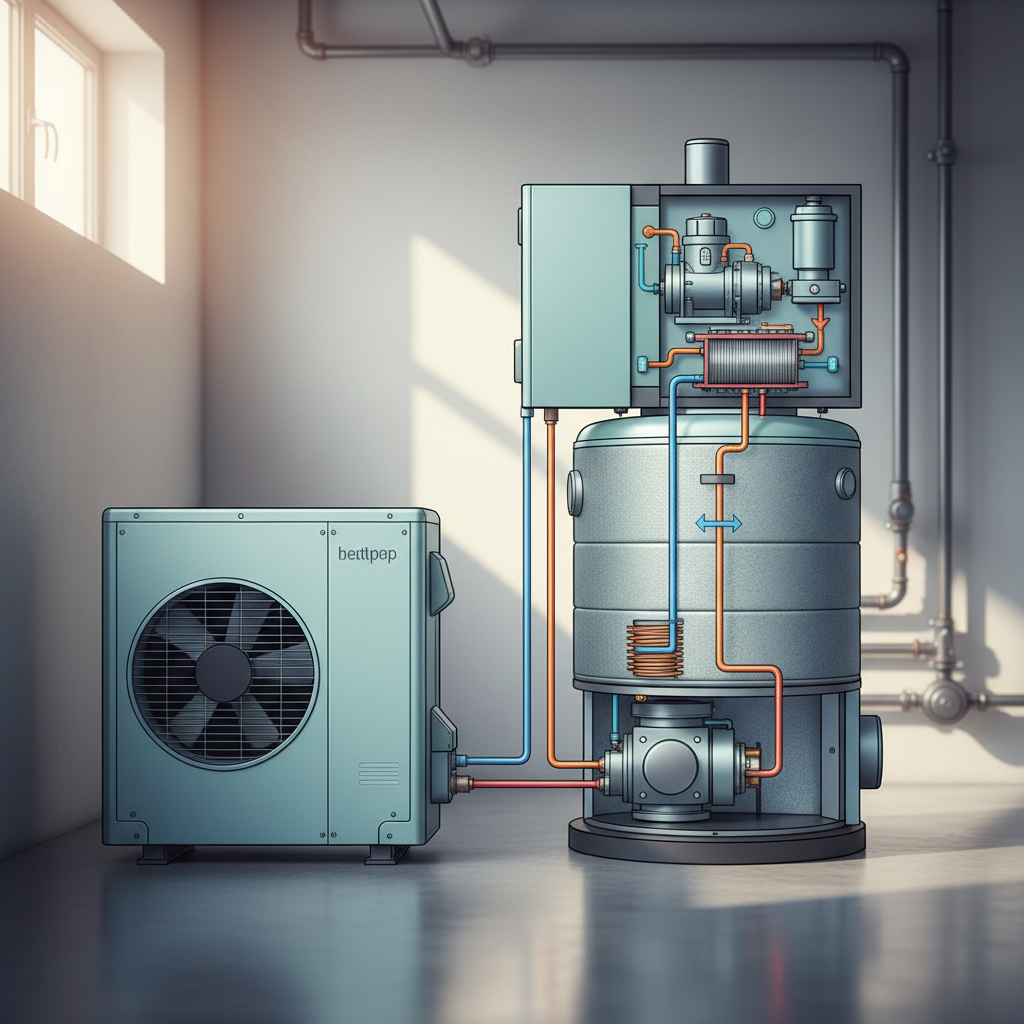
Heat pump technology is becoming increasingly popular for its ability to reduce carbon footprints and minimize environmental impact. Unlike traditional boilers, heat pump boilers operate by transferring heat from the outside air or ground into a building, utilizing renewable energy sources. This method not only enhances energy efficiency but also significantly lowers greenhouse gas emissions. As a result, homeowners can enjoy a comfortable living environment while contributing to a more sustainable planet.
Tips for choosing a heat pump boiler include assessing your home’s insulation and energy needs. Proper insulation ensures that the heat generated is effectively retained, maximizing efficiency. Furthermore, consider opting for models with high seasonal energy efficiency ratios (SEER) to gain the most benefit from your investment. Regular maintenance is also essential to ensure optimal performance and longevity of the system.
Another advantage of heat pump technology is its versatility in both heating and cooling. By simply reversing the refrigeration cycle, heat pumps can provide cooling in summer, making them a year-round solution. Homeowners increasingly recognize their role in combating climate change, and by selecting heat pump systems, they can help foster a cleaner environment while enjoying the benefits of advanced heating technology.
What is a Heat Pump Boiler? Understanding Efficiency and Benefits - Environmental Impact: Reducing Carbon Footprint with Heat Pump Technology
| Dimension | Description | Value |
|---|---|---|
| COP (Coefficient of Performance) | Measures the efficiency of a heat pump | 3.5 to 5.0 |
| Typical Lifespan | Average operational lifespan of a heat pump boiler | 15 to 20 years |
| Emissions Reduction | Potential reduction in CO2 emissions compared to traditional systems | Up to 70% |
| Energy Source | Type of energy to power the heat pump | Electricity or Renewable Sources |
| Installation Cost | Average upfront investment for installation | $5,000 to $10,000 |
| Operating Cost Savings | Potential annual savings compared to gas boilers | 20% to 40% |
Related Posts
-
2025 Top Gas Heat Pump Innovations: Efficiency, Savings, and Sustainability
-
Top 5 Waste Heat Recovery Technologies: Maximizing Efficiency with a 20% Energy Savings Potential
-
2025 Top 10 Spa Heat Pumps: Best Options for Efficient Heating Solutions
-

Top 10 Energy Efficient Heating Solutions for 2025: Save Money & Reduce Emissions