Why Are Heat Pumps Popular in Colorado?
In recent years, heat pumps in Colorado have gained immense popularity. According to a report from the U.S. Department of Energy, heat pumps can reduce energy usage by up to 50% compared to traditional heating systems. This statistic highlights their efficiency and appeal to homeowners.
The Colorado climate presents unique challenges. Winters can be harsh, pushing homeowners to seek reliable heating solutions. Heat pumps offer versatility, providing both heating in winter and cooling in summer. This dual functionality can attract a wider range of consumers looking for year-round comfort. The comfort of a steady home temperature is crucial for many families.
However, not all heat pumps are perfect for every home. Installation costs can be high, often deterring potential buyers. Additionally, the effectiveness can vary based on home insulation and size. Despite these drawbacks, the growing trend of heat pumps in Colorado reflects a shift towards sustainable energy solutions. It represents a commitment to reducing carbon footprints and embracing innovative technology in home heating and cooling.
The Rise of Heat Pumps in Colorado's Residential Market
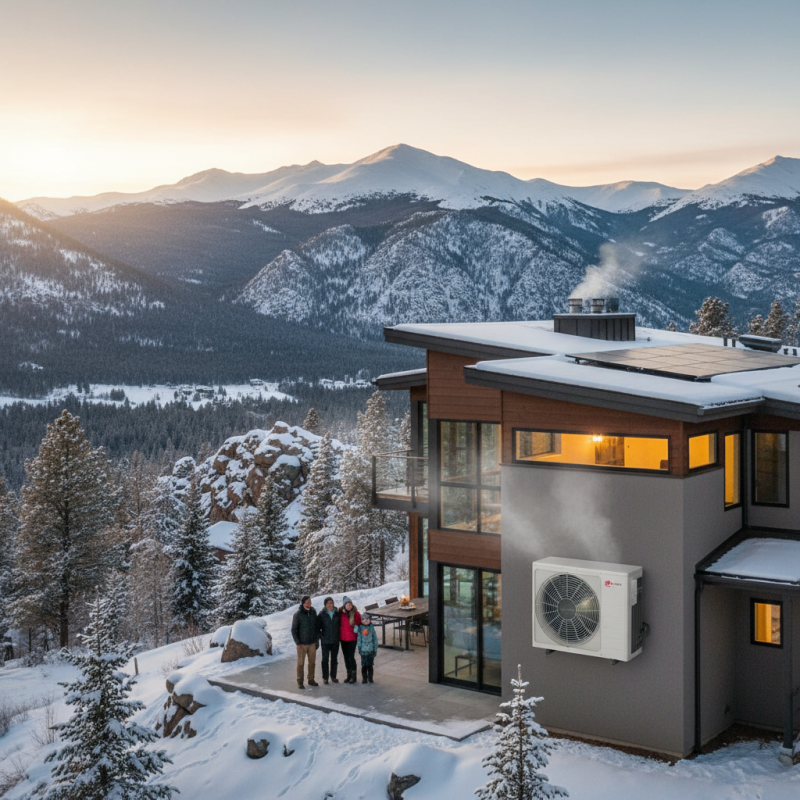
The rise of heat pumps in Colorado's residential market reflects a shift towards energy efficiency. Many homeowners are now looking for sustainable heating solutions. With Colorado's diverse climate, heat pumps offer flexibility. They can absorb heat even in colder temperatures, making them effective year-round.
Cost is also a major factor. Initial investment can be high, but long-term savings on energy bills are appealing. Many residents find this trade-off worth considering. Additionally, the push for greener technologies aligns with local values. Communities want to reduce their carbon footprint and use clean energy sources.
However, there are challenges. Not all homes are suited for heat pumps. Older properties may require upgrades to insulation or ductwork. Homeowners must weigh these factors carefully. Education about heat pumps is also needed. Some still favor traditional heating methods, fearing unfamiliar technology. This resistance can slow down the transition. Balancing innovation with practicality is essential for wider acceptance.
Energy Efficiency Benefits of Heat Pumps for Colorado Homeowners
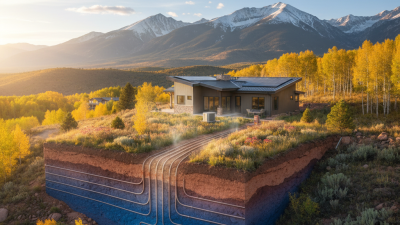
Heat pumps are gaining traction among Colorado homeowners due to their impressive energy efficiency. According to the U.S. Department of Energy, heat pumps can reduce energy usage by 50% compared to traditional heating systems. With Colorado's cold winters, this is a significant advantage. The technology captures heat from the air or ground, redistributing it effectively throughout homes. This process is not just energy-saving; it can also translate into lower utility bills for residents.
In addition to financial benefits, environmental impacts are another reason for heat pump popularity. As more Colorado homeowners seek to reduce their carbon footprints, heat pumps present a viable solution. They consume less electricity, which directly correlates to lower greenhouse gas emissions. A report by the Rocky Mountain Institute suggests that widespread adoption of heat pumps could lead to a 28% reduction in residential fossil fuel use by 2030.
Tip: When considering a heat pump, ensure proper insulation. This can enhance the system's efficiency. Another suggestion is to look into local incentives, which can further reduce installation costs. Lastly, consult with professionals to determine the best type for your home's unique needs. A well-informed choice can make a significant difference in performance and savings.
Impact of State Incentives and Rebates on Heat Pump Adoption
In Colorado, state incentives and rebates play a critical role in the rising popularity of heat pumps. The state government has implemented several initiatives designed to encourage residents to adopt this energy-efficient technology. According to a recent report by the U.S. Department of Energy, households can save between $500 to $1,000 annually on energy costs by switching to heat pumps. This potential for significant financial savings makes such systems attractive.
Moreover, the Colorado Energy Office offers rebates that can cover a substantial portion of installation costs. These incentives can range from $500 to $2,500, depending on the system's efficiency and capacity. This financial assistance is crucial. It lowers the barrier to entry for many families who might otherwise hesitate to invest in heat pumps. However, not all homeowners are fully aware of these benefits.
A 2022 survey revealed that only 43% of Coloradans knew about available rebates. This knowledge gap highlights the need for better awareness campaigns. As adoption rates increase, it's important that the state addresses these gaps. Many residents could benefit significantly if they understood how to take advantage of such financial support. Heat pumps are a viable option, yet some uncertainties remain about their initial costs and long-term savings.
Why Are Heat Pumps Popular in Colorado? - Impact of State Incentives and Rebates on Heat Pump Adoption
| Year |
Number of Heat Pumps Installed |
State Incentives ($) |
Rebate Programs Offered |
Percentage Increase in Adoption (%) |
| 2018 |
500 |
200 |
5 |
N/A |
| 2019 |
750 |
250 |
6 |
50 |
| 2020 |
1200 |
300 |
7 |
60 |
| 2021 |
2000 |
400 |
8 |
66.67 |
| 2022 |
3500 |
500 |
10 |
75 |
Climate Adaptation: Heat Pumps in Colorado's Variable Weather
Heat pumps are gaining popularity in Colorado due to their adaptability to the state’s variable climate. According to the U.S. Department of Energy, heat pumps can achieve a 300% efficiency rating under optimal conditions. These systems utilize a refrigeration cycle to transfer heat, making them effective in both heating and cooling. In a place where temperatures swing dramatically, such efficiency is crucial for homeowners.
The regional climate, with its cold winters and warm summers, challenges traditional heating methods. A study by the Rocky Mountain Institute found that heat pumps can reduce energy costs by up to 50% compared to conventional systems. However, homeowners must consider specific site conditions for maximum performance. Installation may be complicated in some areas, and efficacy can diminish in extreme cold.
Many Colorado residents are transitioning to this technology, driven by incentives and environmental concerns. Yet, the learning curve is steep. Understanding the maintenance needs and compatibility with existing systems is essential. Some users report issues with noise and aesthetic concerns, indicating that design adjustments may be necessary. The journey toward cleaner energy solutions involves both successes and hurdles in adoption.
Comparative Analysis: Heat Pumps vs. Traditional Heating Systems in Colorado
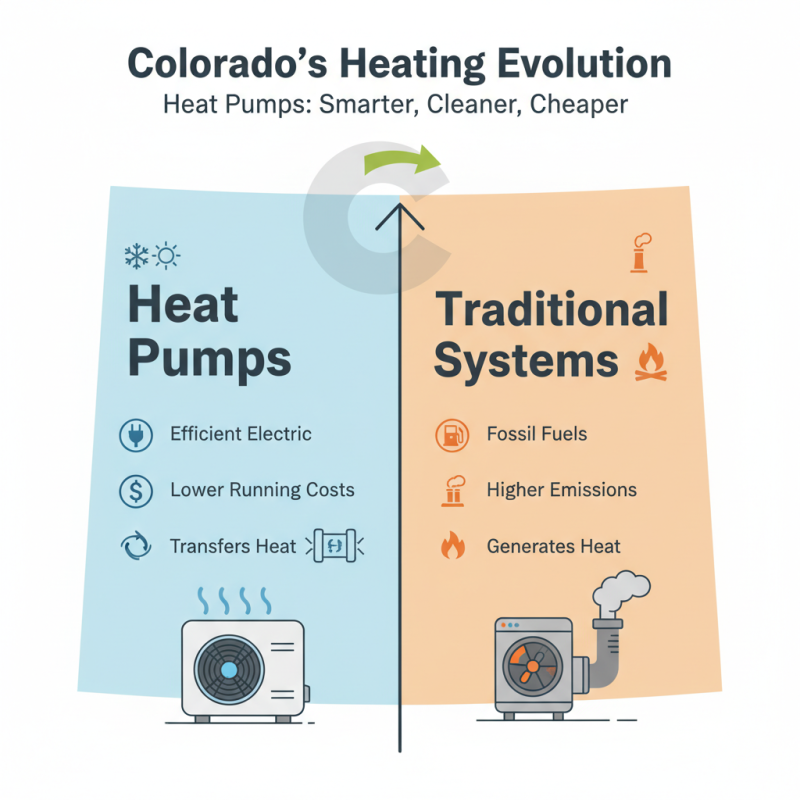
Heat pumps are gaining traction in Colorado for several reasons. They offer distinct benefits compared to traditional heating systems. Traditional systems often rely on fossil fuels. This makes them less efficient and more expensive in the long run. Heat pumps, on the other hand, transfer heat instead of generating it. They utilize electricity efficiently, especially in milder climates.
One key detail is that heat pumps can work for both heating and cooling. This dual functionality makes them versatile for Colorado's variable weather. They operate well in moderate temperatures. However, in extreme cold, their efficiency can drop. Homeowners should consider this aspect when choosing a system.
Tips: When selecting a heat pump, look for models with a high Heating Seasonal Performance Factor (HSPF). Regular maintenance is essential for efficiency. Keep the outdoor unit free of debris. This simple step can improve performance. Remember, energy-efficient systems often have a higher upfront cost but save money long-term. Take your time to research options thoroughly.