What is a high efficiency heat pump and its benefits?
In recent years, the demand for energy-efficient solutions has increased significantly. The high efficiency heat pump stands out in this landscape. It offers a sustainable option for heating and cooling buildings while reducing energy consumption. With rising energy costs, homeowners and businesses are seeking cost-effective alternatives.
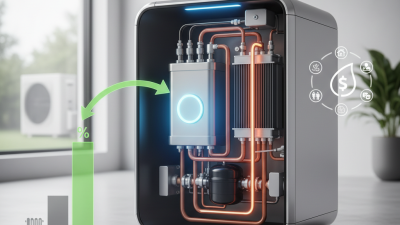
This advanced technology utilizes refrigerant to transfer heat, either from the outside air or the ground, into a building. It operates efficiently even in colder climates. Many users report substantial savings on energy bills. They also experience improved comfort levels throughout their spaces. The high efficiency heat pump can significantly reduce carbon footprints, aligning with environmental goals.
Despite its advantages, some potential users remain hesitant. Initial installation costs can be higher than conventional systems. However, the long-term savings and rebates often make it worthwhile. Understanding the nuances of this technology can empower individuals to make informed decisions. Adopting a high efficiency heat pump may require careful consideration, yet the benefits are undeniably compelling.
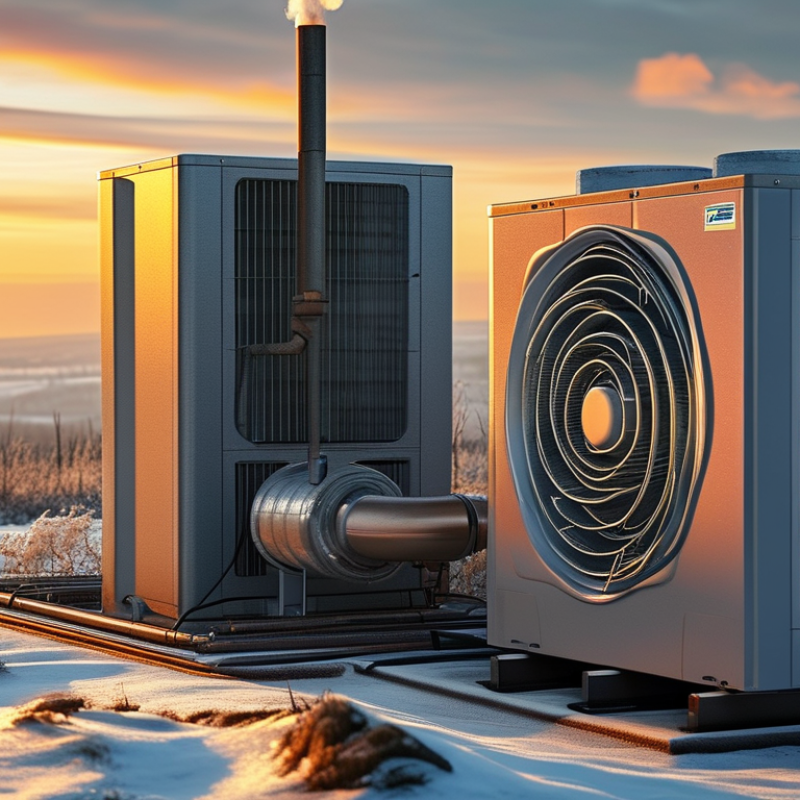
Definition of High Efficiency Heat Pumps
High efficiency heat pumps are advanced systems designed to transfer and distribute heat effectively. They utilize energy from the ground, air, or water to heat or cool spaces. These systems are different from traditional heaters, relying on electricity rather than fossil fuels. Their operation is based on principles of thermodynamics, providing high performance while using lower amounts of energy.
One significant benefit of high efficiency heat pumps is their ability to significantly reduce energy costs. For instance, they can achieve efficiencies of over 300%. This means they can produce three times more heating or cooling energy than the electrical energy consumed. Additionally, these systems often require less maintenance compared to conventional heating systems. However, installation can be complex, requiring skilled professionals. Poor installation may lead to performance issues, which can diminish their efficiency.
Moreover, high efficiency heat pumps are environmentally friendly. They help reduce greenhouse gas emissions by utilizing renewable energy sources. Despite their benefits, potential users must consider regional climate factors. In extremely cold climates, these heat pumps may struggle to provide adequate heating. Therefore, careful evaluation and professional guidance are essential before making a decision. Understanding the specific needs and conditions can help optimize the performance of high efficiency heat pumps in any setting.
What is a High Efficiency Heat Pump and Its Benefits?
| Feature |
Details |
| Energy Efficiency Ratio (EER) |
Higher than 3.4, indicating good energy use |
| Seasonal Energy Efficiency Ratio (SEER) |
Typically between 15 and 25 |
| Coefficient of Performance (COP) |
Usually above 4.0 |
| Heating Capacity |
Ranges from 1.5 to 5 tons |
| Benefits |
Lower energy bills, reduced carbon footprint |
| Lifespan |
15-20 years with regular maintenance |
How High Efficiency Heat Pumps Work
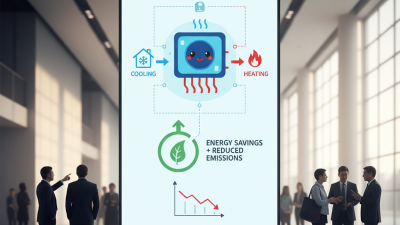
High efficiency heat pumps are becoming a popular choice for homes and commercial spaces. They utilize advanced technology to transfer heat instead of generating it. This method not only saves energy but also reduces greenhouse gas emissions. These systems work by absorbing heat from the environment, even in cold temperatures, and transferring it indoors during winter. In summer, they can reverse the process, acting as air conditioners.
Using a high efficiency heat pump can drastically lower energy costs. Homeowners often see a significant reduction in their utility bills. These systems also enhance indoor comfort. They maintain consistent temperatures without the noise of traditional heating systems. It's imperative to install them properly to maximize efficiency and ensure longevity. An experienced technician is crucial for this task.
Tip: Regular maintenance is key for keeping your heat pump efficient. Check filters monthly and clean them as needed.
Another consideration is the sizing of your heat pump. Oversized units can lead to inefficiency and increased wear. Finding the right size requires careful planning and sometimes a professional's insight.
Tip: Seal any drafts in your home. Proper insulation boosts system performance and saves energy.
Benefits of High Efficiency Heat Pumps for Homeowners
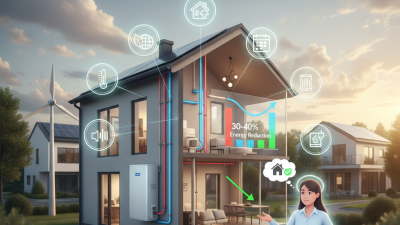
High efficiency heat pumps are transforming home comfort. They work by transferring heat rather than generating it. This method can significantly reduce energy usage. Homeowners can enjoy lower utility bills while maintaining a stable temperature year-round. These systems can both heat and cool spaces.
The benefits extend beyond cost savings. High efficiency heat pumps have a reduced environmental impact. They use less electricity compared to traditional systems. Many also have advanced refrigeration cycles, improving performance. Regular maintenance is still needed, however. Homeowners may overlook this, leading to decreased efficiency over time.
Overall, the choice of a high efficiency heat pump is wise. The upfront investment can be daunting, yet the long-term savings are compelling. Reflecting on personal comfort can lead to more sustainable choices. Energy efficiency becomes a lifestyle rather than just a feature. Adapting to these systems may take time, but the benefits are clear.
Environmental Impact of High Efficiency Heat Pumps
High efficiency heat pumps have gained attention for their potential to reduce environmental impact. These systems utilize renewable energy sources, which can significantly decrease greenhouse gas emissions. By transferring heat rather than generating it, they consume less electricity, leading to reduced power plant emissions. As a result, households using these pumps contribute to cleaner air and a healthier planet.
Choosing the right heat pump is essential for maximizing its environmental benefits. Look for models that meet high efficiency standards. Assess insulation levels in your home to ensure optimal performance. The better your home retains heat, the less energy the pump will need to use.
Tips: Regular maintenance of your heat pump can enhance efficiency. Clean filters and inspect components at least twice a year. This not only improves performance but also prolongs the unit's lifespan.
While high efficiency heat pumps are beneficial, they still have some limitations. In extremely cold climates, their efficiency may decrease, leading to reliance on auxiliary heating sources. It’s important to evaluate the specific needs of your home before investing in a heat pump system.
Impact of High Efficiency Heat Pumps on Energy Consumption and CO2 Emissions
Cost Savings and Energy Efficiency of High Efficiency Heat Pumps
High efficiency heat pumps (HEHPs) are vital for modern energy systems. A recent report by the U.S. Department of Energy highlights that these systems can be up to 300% more efficient than traditional heating methods. This means they can produce three units of heat for every unit of electricity consumed. Such efficiency translates directly into significant cost savings. Homeowners can save up to 50% on heating and cooling bills by switching to HEHPs.
In addition to cost savings, HEHPs benefit the environment. They reduce carbon emissions significantly when compared to fossil fuel systems. The Natural Resources Defense Council found that widespread adoption of HEHPs could cut household greenhouse gas emissions by up to 60% by 2050. However, while the initial installation cost can be higher than traditional systems, the long-term savings often outweigh these upfront expenses.
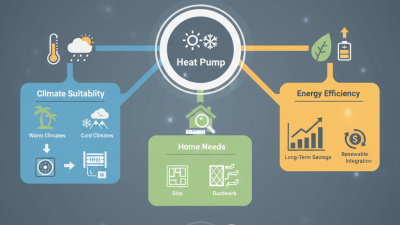
It’s essential to consider local climate conditions when evaluating HEHPs. In colder regions, their efficiency can drop, especially if not properly sized or installed. Some users have reported performance issues, particularly in extremely low temperatures. Balancing initial investment and long-term efficiency requires careful planning and expert consultation. Each home's unique requirements must be addressed for optimal performance.