2026 How to Choose the Right Heat Pump System for Your Home?
Choosing the right heat pump system for your home can be challenging. In this landscape, expert insights are invaluable. John Smith, a leading HVAC specialist, emphasizes, “The right heat pump system can significantly improve your home's energy efficiency.” Understanding what to look for is crucial.
Many homeowners feel overwhelmed by the options available. Operating costs, climate suitability, and installation requirements matter deeply. Each household is unique, and a heat pump system should reflect that. You need to assess the size of your home. Consider the insulation quality. Think about your local climate. Questions arise when making this choice.
Getting it wrong can lead to discomfort and high bills. A mismatch can waste energy and cause frustrations. Embrace the research process. It can lead to an informed decision that benefits you for years. The right heat pump system can transform your living space into a more comfortable environment.
Understanding the Basics of Heat Pump Systems for Residential Use
When choosing a heat pump system for your home, understanding the basics is essential. Heat pumps transfer heat instead of generating it. They work by absorbing heat from outside and releasing it indoors. This process can be efficient, but not all systems suit every home. Factors such as climate, home size, and insulation quality matter greatly.
Consider the type of heat pump you want. Air-source heat pumps are common and work well in moderate climates. Geothermal pumps offer better efficiency but require significant upfront investment. Assess your local climate. If winters are harsh, an air-source pump may struggle to deliver heat effectively. While these systems can operate in low temperatures, their efficiency drops as the mercury falls.
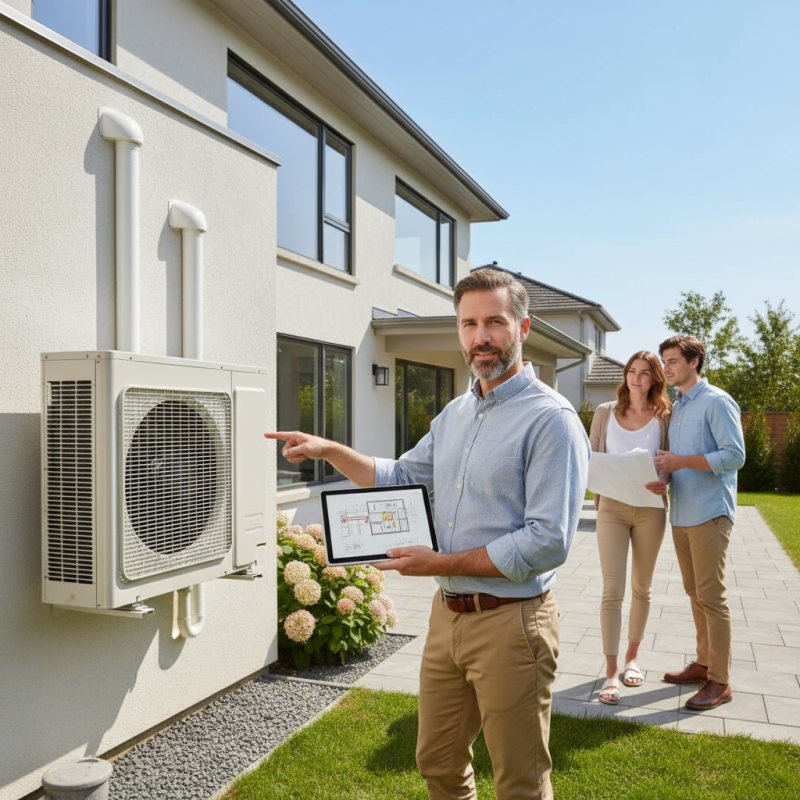
**Tips**: Always consult with a professional before making decisions. They can help select the right system based on your needs. Research energy efficiency ratings. Higher ratings often mean lower utility bills. Lastly, don't overlook installation quality. A poorly installed unit can lead to inefficiencies and shorten its lifespan.
Key Factors to Consider When Selecting a Heat Pump for Your Home
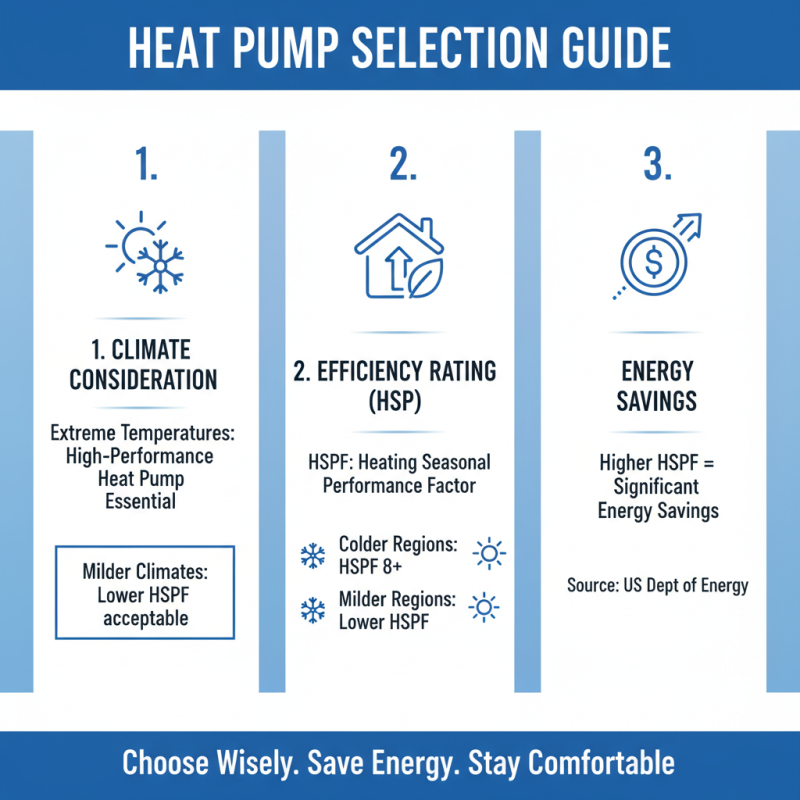
When selecting a heat pump system for your home, several key factors come into play. The first consideration is the climate in your area. Data shows that in regions with extreme temperatures, a high-performance heat pump is essential. According to the U.S. Department of Energy, choosing a heat pump with a higher HSPF (Heating Seasonal Performance Factor) can lead to significant energy savings. For colder regions, an HSPF of 8 or higher is ideal, while milder climates may require a lower rating.
Energy efficiency is another crucial aspect. The right heat pump can cut your energy bills considerably. The EPA’s Energy Star program indicates that homes with Energy Star-rated heat pumps use, on average, 20% to 30% less energy than those without. However, homeowners often overlook the importance of proper sizing. An undersized unit fails to provide sufficient heating, leading to discomfort and higher energy costs. Conversely, an oversized unit may cycle on and off too frequently, causing wear and tear.
Additionally, installation plays a pivotal role. Poor installation can impact efficiency and lifespan. A study from the National Renewable Energy Laboratory revealed that improper installation can reduce a system’s efficiency by as much as 30%. Therefore, ensure the contractor is qualified and has experience with heat pumps. Making an informed choice involves assessing these factors carefully.
Comparing Different Types of Heat Pumps: Air, Geothermal, and Water Source
When choosing a heat pump system, consider the three main types: air, geothermal, and water source.
Air source heat pumps are common. They draw heat from the outside air. This option is generally more cost-effective and easy to install. However, efficiency can drop in extremely cold weather. You may need backup heating to maintain comfort.
Geothermal heat pumps use the earth's stable temperature. They work by transferring heat between your home and the ground. While initial installation costs are high, they offer long-term energy savings. This system has fewer efficiency issues, even in winter. Yet, the installation requires space and proper site evaluation.
Water source heat pumps rely on a nearby water source, such as a lake or well. They are efficient since water maintains a more stable temperature than air. But, not every home has access to suitable water bodies. Potential environmental impacts should be considered too. Each type has its pros and cons. Evaluating your specific needs is crucial for making the right choice.
Evaluating Energy Efficiency Ratings: SEER and HSPF Explained
When choosing a heat pump system for your home, energy efficiency ratings are crucial. Two important metrics to consider are SEER (Seasonal Energy Efficiency Ratio) and HSPF (Heating Seasonal Performance Factor). SEER measures cooling efficiency, while HSPF evaluates heating efficiency. The U.S. Department of Energy suggests aiming for a SEER rating of at least 14 and an HSPF of at least 8.2 for optimal energy savings.
Tip: Look for systems with higher ratings. They might have a higher upfront cost but often save you more in the long run.
It is essential to remember that not all homes require the same efficiency levels. Factors like climate, insulation, and usage patterns can all influence your choice. A home in a milder climate may not need the highest SEER or HSPF ratings. Balancing comfort and cost-effectiveness is key.
Tip: Consider your local climate when evaluating these ratings. This could impact overall efficiency and effectiveness. Regular maintenance also plays a significant role in maintaining efficiency, yet many homeowners overlook this aspect.
Costs and Incentives: Budgeting for Your Heat Pump Installation and Maintenance
When considering a heat pump for your home, costs play a crucial role. Installation costs can vary widely. In some areas, you might pay more due to labor rates or permits. Maintenance is another budget factor to think about. Regular check-ups are necessary for efficiency but can add up.
Incentives can significantly affect your bottom line. Many local governments and organizations offer rebates or tax credits for heat pump installations. This can lessen the financial burden. However, these incentives often come with eligibility requirements. Research local programs before making a decision to ensure you qualify.
Homeowners also need to anticipate long-term costs. Energy bills may decrease with a heat pump, but initial installation can be steep. Not all areas provide equal savings, so it's wise to evaluate your specific situation. Ultimately, careful budgeting is essential for a successful and affordable heat pump system.
2026 How to Choose the Right Heat Pump System for Your Home? - Costs and Incentives
| Heat Pump Type |
Average Installation Cost ($) |
Annual Energy Cost Savings ($) |
Government Incentives (%) |
Maintenance Costs per Year ($) |
| Air Source Heat Pump |
$5,000 |
$1,200 |
10% |
$200 |
| Ground Source Heat Pump |
$25,000 |
$2,500 |
26% |
$300 |
| Ductless Mini-Split Heat Pump |
$7,000 |
$1,500 |
12% |
$250 |
| Hybrid Heat Pump System |
$10,000 |
$1,800 |
15% |
$350 |