How to Choose Heat Pumps for Dummies?
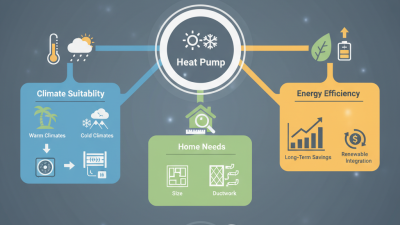
Choosing a heat pump can feel confusing when brochures mention SEER2, HSPF2, COP, refrigerant types, and low-temperature performance. This guide, heat pumps for dummies, makes those terms practical. You will learn how heating and cooling needs shape the right system. A small, well-insulated home may need a very different model from a drafty farmhouse. Size matters.
The guide explains air-source, ductless mini-split, ground-source, and dual-fuel heat pumps. It connects technical ratings with everyday details, such as a bedroom staying cold at 6 a.m. or an outdoor unit operating beside a patio. You will also see why professional load calculations matter more than guessing from floor area. A certified installer should check insulation, ductwork, electrical capacity, drainage, and local climate data before recommending equipment. Manufacturer documentation and recognized efficiency standards provide useful evidence, but sales claims still deserve careful questions.
Costs require honest thinking. Purchase price, installation, maintenance, electricity rates, backup heating, and expected service life all affect value. Rebates may change, and eligibility depends on location and equipment specifications. Check current government or utility guidance. Do not assume the cheapest quote is the safest choice. It may exclude electrical upgrades or proper commissioning. No guide can predict every home perfectly. Existing ducts may perform worse than expected. Cold-weather models can work well, but results depend on design and installation quality. That uncertainty is worth acknowledging. By the end, you should have better questions for installers and a clearer way to compare comfort, efficiency, noise, reliability, and long-term operating costs.

Understanding What Heat Pumps Do and How They Work
How to Choose Heat Pumps for Dummies?
Understanding What Heat Pumps Do and How They Work
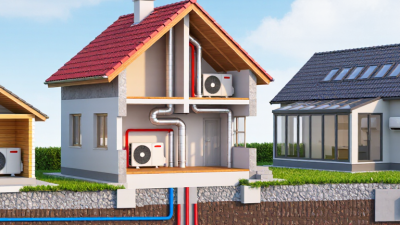
A heat pump moves heat instead of creating it through combustion. In heating mode, refrigerant absorbs outdoor heat, even from cold air. A compressor then raises its temperature. The indoor coil releases that heat into your rooms. In summer, the cycle reverses and removes indoor heat. Think of it as a refrigerator working backward. The International Energy Agency reported that global heat pump sales grew by nearly 15% in 2021. This growth reflects rising interest in efficient electric heating.
Choosing one starts with your building, not a product label. Ask an installer to calculate the heating load room by room. An oversized unit may cycle often and feel uncomfortable. An undersized unit may rely heavily on backup heat during freezing weather. Check the unit’s cold-climate capacity, seasonal efficiency, sound level, and defrost behavior. The U.S. Department of Energy explains that modern heat pumps can deliver several units of heat for each unit of electricity consumed. However, real performance depends on weather, insulation, airflow, and installation quality.
Look at the whole system.
Poor insulation can undermine an excellent heat pump. Existing radiators may also need higher water temperatures than the system can efficiently provide. The honest part is less exciting: efficiency ratings are laboratory measurements, not promises for every home. Request performance data at your local design temperature, then compare electricity rates with backup-heating costs. The IEA’s The Future of Heat Pumps report also identifies building efficiency and skilled installation as important conditions for successful adoption.
The coefficient of performance (COP) shows how much heat a heat pump delivers for each unit of electricity it uses. Under moderate operating conditions, air-source heat pumps typically achieve a COP of about 2.5, while ground-source and water-source systems can reach approximately 4.0 and 4.5. Actual performance varies with outdoor temperature, system design, installation quality, and heating demand.
Assessing Your Home’s Heating and Cooling Requirements
Choosing a heat pump starts with your home, not the equipment label. Walk through each room during a cold morning and note chilly corners, drafts, and uneven temperatures. A sunny upstairs bedroom may need less heating but more cooling than a shaded living room.
Check the building envelope carefully. Look at attic insulation, window seals, exterior doors, and visible ductwork. Small air leaks can make a properly sized system feel weak. They can also increase electricity use. I once underestimated a hallway draft because it felt harmless. That assumption was wrong.
A qualified heating technician should complete a room-by-room heat-loss and cooling-load assessment. This calculation should include local outdoor temperatures, ceiling height, window direction, insulation levels, and household occupancy. Ask how the installer handles existing ducts, airflow, humidity, and backup heating. Bigger is not always better. An oversized heat pump may cycle frequently, remove less humidity, and create uneven comfort. A smaller unit may run longer, but steady operation can feel more comfortable.
Review your daily habits, too. Do you heat only occupied rooms? Do you prefer cooler bedrooms at night? Record indoor temperatures and electricity use for several days. These details give the technician useful evidence. Some homes need duct repairs before replacement. Others need better insulation first. The assessment may reveal that the heat pump is only part of the solution.
Comparing Efficiency, Climate Performance, and Operating Costs
How to Choose Heat Pumps for Dummies?
Efficiency begins with COP, not a glossy label. A COP of 3 means one unit of electricity produces three units of heat. The International Energy Agency’s 2022 report, The Future of Heat Pumps, found that heat pumps can be three to five times more energy efficient than gas boilers. However, seasonal ratings matter more than laboratory peaks. Check heating efficiency, low-temperature capacity, and expected defrost cycles.
Climate performance changes the calculation. The U.S. Department of Energy’s cold-climate specification evaluates operation at 5°F and requires meaningful heating capacity at that temperature. In freezing weather, an outdoor unit may lose capacity while using extra electricity for defrosting. Installation quality also matters. Poor airflow, undersized ducts, or an exposed outdoor unit can quietly reduce comfort. Cold rooms reveal mistakes quickly.
Operating cost depends on local electricity and fuel prices. Use this simple comparison: electricity price divided by COP equals the heat cost. For example, electricity at $0.18 per kWh and a COP of 3 costs about $0.06 per delivered kWh of heat. The U.S. Energy Information Administration’s residential energy reports show wide regional price differences, so one national estimate can mislead. My comparison would still be incomplete without checking backup heat, maintenance, insulation, and real winter bills. A cheaper unit may cost more later.
Choosing the Right Size, Features, and Installation Options
Choosing the right heat pump begins with accurate sizing, not guesswork. A qualified installer should perform a room-by-room heat-loss calculation. This considers insulation, window area, ceiling height, local winter temperatures, and sunlight. A unit that is too small may run constantly on freezing nights. An oversized unit can cycle frequently, waste energy, and create uneven temperatures.
Features should match your household, not a sales checklist. Variable-speed operation usually provides steadier indoor temperatures and quieter airflow. Look for cold-weather performance, washable filters, clear control settings, and a backup heating option when severe weather arrives. Check the outdoor unit’s defrost behavior, especially if your area receives wet snow. Small details matter. I once underestimated hallway airflow in a floor plan, and the bedroom stayed noticeably cooler. That mistake changed how I review duct placement.
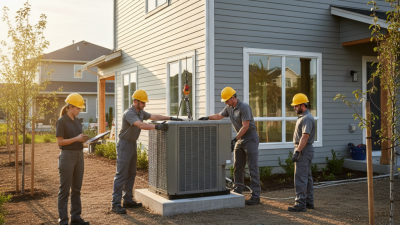
Installation choices depend on the building. Existing ductwork may work well, but leaks, crushed sections, or poor insulation can reduce comfort. A ductless system may suit an older room addition, while a central system can serve several rooms more evenly. Ask whether the electrical panel needs upgrading and where condensate will drain. The outdoor unit needs firm support, open airflow, and protection from drifting snow. Request written capacity data, noise ratings, warranty terms, and maintenance instructions. Even a careful recommendation can miss hidden insulation problems, so inspect the home before final sizing and keep room for adjustment.