How to Optimize Your Waste Heat Recovery System for Maximum Efficiency?
The efficient use of energy has become critical in today’s industrial landscape. A waste heat recovery system can significantly reduce energy costs and environmental impact. According to the U.S. Department of Energy, industrial processes waste roughly 20% to 50% of their energy as heat. This wasted energy presents a substantial opportunity for companies willing to invest in recovery technologies.
Implementing a robust waste heat recovery system can lead to an efficiency increase of up to 30%. Industries such as manufacturing and chemical processing are particularly poised to benefit. However, many organizations struggle with optimization. Outdated systems and lack of expert knowledge often lead to inefficiencies. Some facilities achieve less than 50% of the potential energy recovery. This gap emphasizes the need for improved strategies.
While advanced technologies exist, the challenge lies in their implementation. Regular maintenance and monitoring are crucial to prevent system degradation. Companies must also consider the integration of new heat recovery methods, which can sometimes require significant upfront investment. Reflection on these factors can help organizations maximize their waste heat recovery systems for better efficiency and improved sustainability.
Understanding Waste Heat Recovery Systems and Their Importance
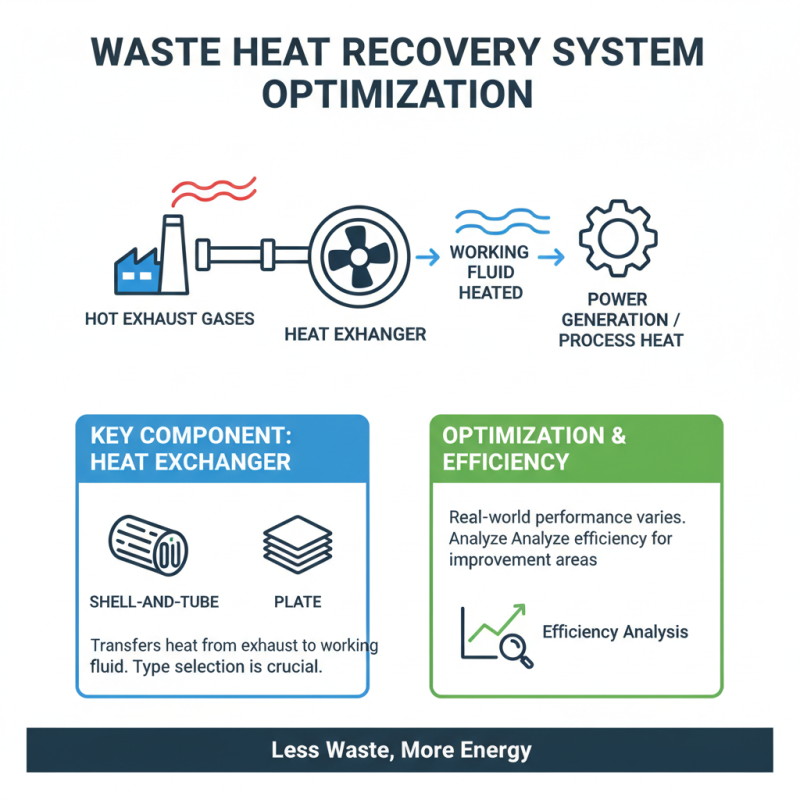
Waste heat recovery systems play a crucial role in enhancing energy efficiency. They capture excess heat generated during industrial processes. This recovered energy can then be used for heating, powering equipment, or even generating electricity. Understanding how these systems work is essential to optimizing their effectiveness.
Implementing a waste heat recovery system can be challenging. Conducting thorough assessments is necessary to identify potential heat sources. Many facilities overlook minor heat streams that could contribute significantly. Awareness of system design and component integration is vital. In some cases, modifications can lead to increased recovery rates, but not all changes yield positive results. It is important to continuously evaluate setup efficiency.
Training staff on system operation has immense value. Employees must understand how to monitor and maintain equipment. Data collection can help identify patterns and areas for improvement. However, organizations sometimes struggle with maintaining focus and support for such initiatives. Regular review meetings may not be held, leading to poor optimization. Addressing these issues is essential for maximizing the benefits of waste heat recovery.
Key Components of an Efficient Waste Heat Recovery System
When optimizing a waste heat recovery system, understanding key components is essential. Heat exchangers play a pivotal role. They transfer heat from hot exhaust gases to a working fluid. Selecting a suitable heat exchanger type is critical. Consider options like shell-and-tube or plate heat exchangers. Each has pros and cons. Sometimes, they may not perform as expected in real-world applications. Analyzing their efficiency can reveal areas for improvement.
Another vital component is the heat recovery steam generator (HRSG). It converts exhaust heat into steam. This steam can drive turbines or provide heating. However, not all systems utilize HRSG effectively. Proper sizing and layout affect its performance significantly. Overlooking these factors can lead to wasted potential. Regular maintenance is also crucial for optimal function.
Lastly, monitor and control systems enhance performance. They ensure energy is captured systematically. Yet, many setups lack advanced monitoring tools. This gap can hinder peak efficiency. Adopting smart technologies can provide valuable insights. Investing in the right sensors and software often pays off.
Assessing the Potential Heat Sources for Recovery in Industrial Processes
Assessing heat sources for recovery in industrial processes is crucial. Many industries generate substantial waste heat. This heat often goes unused, creating inefficiencies. Common sources include exhaust gases, hot surfaces, and process fluids. Identifying these sources helps maximize recovery.
One common yet overlooked area is heat from cooling water. In many systems, cooling water exits at a much higher temperature than necessary. Design flaws or inadequate monitoring can lead to substantial energy losses. Regular assessments of cooling systems can reveal opportunities for improvement. Small adjustments may significantly enhance recovery potential.
Process heat is another major source. Industries such as manufacturing and refining require high temperatures for operations. Often, this heat dissipates into the environment without being harnessed. Evaluating the thermal characteristics of machinery could reveal hidden gems for recovery. Implementing new technologies can be daunting and expensive. However, the long-term benefits may outweigh initial costs. Exploration and creativity in these areas can lead to more efficient operations.
Techniques and Technologies for Maximizing Heat Recovery Efficiency
Maximizing heat recovery efficiency involves various techniques and technologies. One effective method is utilizing heat exchangers. These devices transfer excess heat from one fluid to another, enhancing overall system performance. Employing counterflow heat exchangers can significantly boost energy recovery. They allow for better temperature difference, maximizing the heat transfer. However, regular maintenance is key. A dirty or damaged heat exchanger can underperform.
Another promising technology is the use of heat recovery chillers. These systems recover waste heat from industrial processes and convert it into useful energy. Implementing variable frequency drives on pumps can also be beneficial. They adjust motor speed based on demand, ensuring that energy is not wasted. Yet, operators must carefully monitor and adjust settings. Small miscalculations can lead to inefficiencies.
Improvement lies in continuous evaluation. Data collection and analysis can reveal performance gaps. Sometimes, common inefficiencies stem from outdated systems that have not been optimized. Even with the latest technologies, human oversight can limit potential. Regular training for staff on best practices is essential. By focusing on these areas, organizations can stride toward achieving maximum heat recovery efficiency.
Optimizing Waste Heat Recovery System Efficiency
Performance Metrics and Industry Standards for Waste Heat Recovery Systems
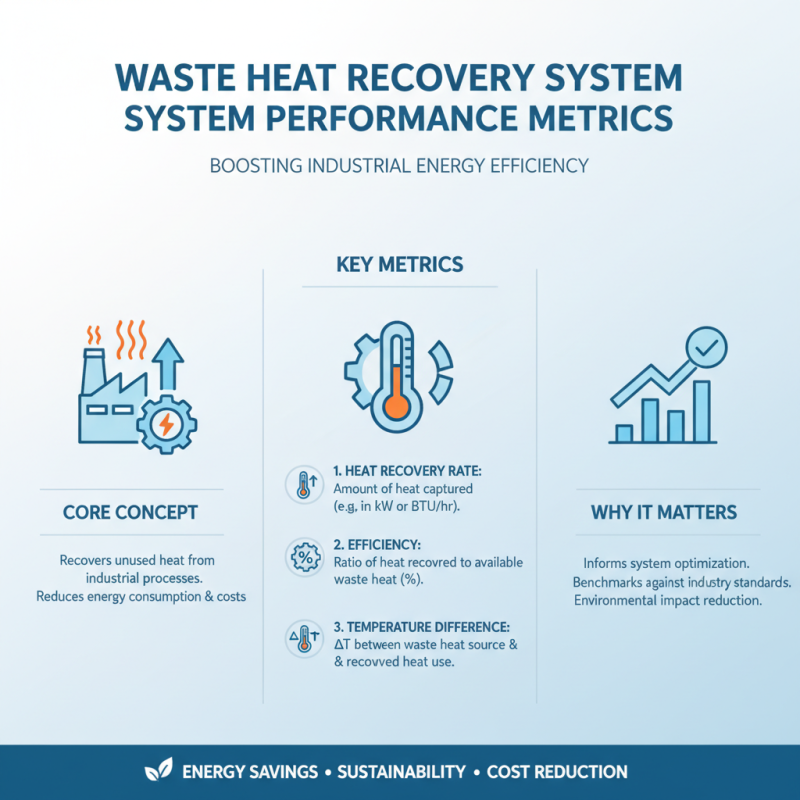
Waste heat recovery systems are crucial for improving energy efficiency in industrial processes. Performance metrics will help you understand their effectiveness. Key metrics include heat recovery rate, efficiency, and temperature difference. These measurements guide engineers in evaluating system performance compared to industry standards.
Understanding industry benchmarks is essential too. Standards often vary by sector. For instance, some industries aim for at least a 30% heat recovery efficiency. This can be difficult to achieve in practice. Regular audits can reveal gaps in reaching these benchmarks. Many systems fall short due to improper installation or maintenance issues.
Moreover, not every application is ideal for waste heat recovery. Analyzing specific processes is necessary. Inefficiencies might stem from outdated equipment or lack of integration. Continuous monitoring of metrics can lead to improvements. Reflection on performance data helps teams make informed decisions. This process isn't perfect, but it drives progress toward optimizing waste heat recovery systems.