What Are Picture Windows and Why Choose Them?
Picture Windows are large, fixed panes designed to frame outdoor views and bring natural light indoors. Unlike operable windows, they do not open for ventilation. Their purpose is visual connection, brightness, and a cleaner architectural appearance.
In a living room, a Picture Window can turn a quiet garden into a daily focal point. Morning light may spread across a wooden floor, while a wide frame can highlight trees, hills, or city views. Homeowners often choose them for spacious rooms, modern façades, and energy-efficient glass options. However, size alone does not guarantee comfort. Glass quality, frame material, installation accuracy, and window orientation all influence performance.
Professional installers usually examine wall structure, local climate, solar exposure, and drainage details before recommending a design. Low-emissivity glass may reduce heat transfer, while insulated frames can improve indoor comfort. Still, every home has different needs. A south-facing window may create unwanted summer heat without suitable shading. A poorly sealed unit may also develop drafts or condensation.
Beauty matters.
Maintenance is usually simple, but large glass surfaces show dust quickly. Cleaning access should be considered before installation, especially on upper floors. It is also worth questioning whether a fixed window fits the room’s ventilation plan. In some cases, pairing it with a smaller operable window creates a better balance. This option may cost more, yet it can provide airflow without sacrificing the view. Choosing Picture Windows is not only a style decision. It is a practical evaluation of light, insulation, structure, maintenance, and long-term comfort.
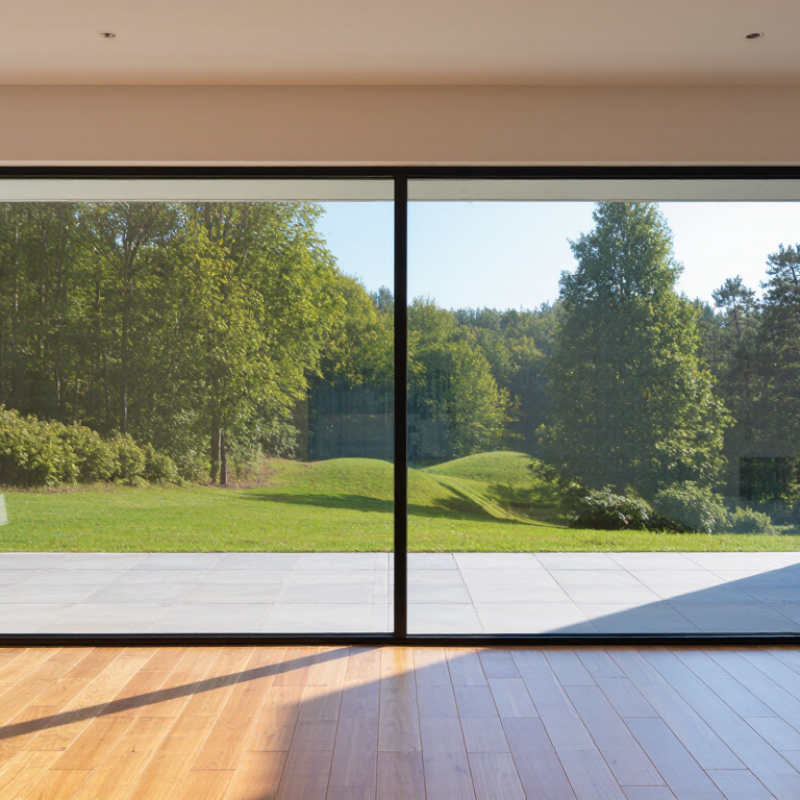
What Are Picture Windows?
A picture window is a large, fixed window designed to frame an outdoor view. Unlike casement or sliding windows, it does not open for ventilation. Its simple structure usually has fewer moving parts, which can improve weather resistance and reduce maintenance. It stays still. Yet its purpose is active: bringing daylight, visual depth, and architectural focus into a room.
The U.S. Department of Energy reports that windows can account for 25% to 30% of residential heating and cooling energy use. This makes glass selection important, not decorative. A low-emissivity coating, insulated glazing, and properly sealed frames can reduce unwanted heat transfer. The National Fenestration Rating Council explains that U-factor measures heat flow, while solar heat gain coefficient indicates how much solar heat enters. Lower values are not automatically better for every climate.
Picture windows work well beside smaller operable windows. The fixed center can provide a wider view, while nearby openings supply fresh air. Large glass also exposes interior spaces to strong afternoon sun. That can increase glare and cooling demand. Not always. Orientation matters. Installation matters more than many homeowners expect. A poorly flashed opening may allow moisture behind the wall, even when the window itself performs well. I have seen beautiful views become expensive repairs because the surrounding seal was treated as an afterthought. Good design balances daylight, ventilation, shading, and long-term maintenance.
How Picture Windows Are Designed and Built
What Are Picture Windows and Why Choose Them?
A picture window is a fixed window designed for uninterrupted views and daylight. It does not open for ventilation. Its construction begins with a rigid frame, insulated glazing, and carefully sealed joints. The frame must transfer wind pressure safely into the wall structure. That detail is easy to overlook.
Most modern units use two or three glass panes, with sealed spaces between them. Low-emissivity coatings can reduce heat transfer, while inert gas improves insulation. The U.S. Department of Energy reports that windows can account for 25–30% of household heating and cooling energy use. Therefore, glass selection affects comfort, not just appearance. NFRC labels help compare U-factor, solar heat gain coefficient, and visible transmittance. These ratings provide useful evidence, although they cannot predict every installation problem.
Tips: Confirm the rough opening before ordering. Check wall exposure and summer sun. A large south-facing pane may create glare or overheating. Use compatible flashing and sealants. Never rely on interior caulk alone. AAMA/WDMA/CSA performance standards also deserve attention. One practical weakness remains: oversized picture windows can require heavier framing and more precise installation. They look simple, but they are not forgiving. A careful inspection should include level, plumb, drainage paths, and condensation risks.
What Are Picture Windows and Why Choose Them?
Picture windows are large, fixed windows designed to provide unobstructed views and daylight. The chart compares common nominal window sizes with estimated visible glazing area, assuming a 3.5-inch frame on each side.
How Picture Windows Are Designed and Built: Because the frame occupies less relative area as the window becomes larger, larger picture windows can provide a higher percentage of visible glass. Actual glazing area varies with frame design, sash details, installation clearances, and glass thickness.
Key Benefits of Installing Picture Windows
Picture windows are fixed, broad glass panels designed to frame outdoor views. They do not open for ventilation, but their sealed edges can reduce air leakage. That matters in rooms facing gardens, trees, or bright courtyards. Daylight can also reduce daytime lighting needs, although glare may become uncomfortable on polished floors.
The U.S. Department of Energy reports that windows can account for 25% to 30% of residential heating and cooling energy use. Properly specified picture windows may improve comfort by limiting drafts and unwanted heat transfer. Check the National Fenestration Rating Council label for U-factor and Solar Heat Gain Coefficient ratings. Lower U-factor generally means better insulation. However, bigger glass is not automatically better. A west-facing window can create afternoon heat, even with advanced glazing. That detail is easy to overlook.
Tips: Match the glass to the room’s direction. Use lower solar-gain glazing in hot, sunny exposures. Add exterior shading where possible. Confirm rough-opening measurements before ordering. A professional installer should inspect flashing, drainage, and surrounding wall conditions. Small installation errors can undermine expensive glass. Also, picture windows cannot provide emergency ventilation or fresh air. That weakness deserves honest consideration. In many homes, a fixed center panel works better beside an operable window.
Limitations and Practical Considerations
What Are Picture Windows and Why Choose Them?
Limitations and Practical Considerations
Picture windows are large, fixed panes designed to frame outdoor views and admit daylight. They usually do not open, which creates a clean appearance but limits ventilation. A room may feel bright while still becoming stuffy on warm afternoons. That trade-off is easy to underestimate.
Heat gain needs careful attention. South- or west-facing glass can raise indoor temperatures, especially beside dark flooring or fabric furniture. Low-emissivity glazing, solar-control coatings, exterior shading, and well-designed curtains can reduce this effect. However, no glass type solves every orientation problem. Local climate matters more than a showroom sample.
Privacy can also change after sunset. During the day, reflective glass may seem protective. At night, interior lights can make the room visible from outside. Cleaning is another practical issue. A very wide pane collects noticeable dust, fingerprints, and rain marks. Upper-floor installations may require safe professional access.
Because the sash is fixed, a picture window cannot serve as an emergency exit. Building regulations may require operable openings in sleeping rooms, so the design should be checked before ordering. Large units also add weight and structural demands. An installer should verify wall framing, flashing, drainage, and tolerances rather than rely on visual measurements alone. Small errors can lead to drafts or condensation. I have found that homeowners often focus on the view first. That assumption can be wrong. Furniture placement, glare, maintenance, and seasonal comfort deserve equal attention.

