10 Tips for Choosing the Best Solar Powered Heat Pump for Your Home
When considering an efficient and sustainable heating solution for your home, a solar powered heat pump stands out as a top contender. As the world increasingly shifts towards renewable energy, homeowners are looking for ways to reduce their carbon footprint and energy costs. A solar powered heat pump not only harnesses the abundant energy of the sun but also provides a reliable heating option that can significantly enhance your home’s energy efficiency.
Selecting the right solar powered heat pump, however, can be a daunting task given the variety of models and technologies available on the market. It's essential to understand the key factors that will influence your choice to ensure you invest in a system that meets your needs and budget. From assessing your home's specific heating requirements to evaluating the installation process, every detail plays a critical role in making an informed decision. This guide offers ten valuable tips to help you navigate the complexities of choosing the best solar powered heat pump for your home, ensuring your investment is both practical and beneficial for the long term.

Understanding Solar Powered Heat Pumps: Basics and Benefits
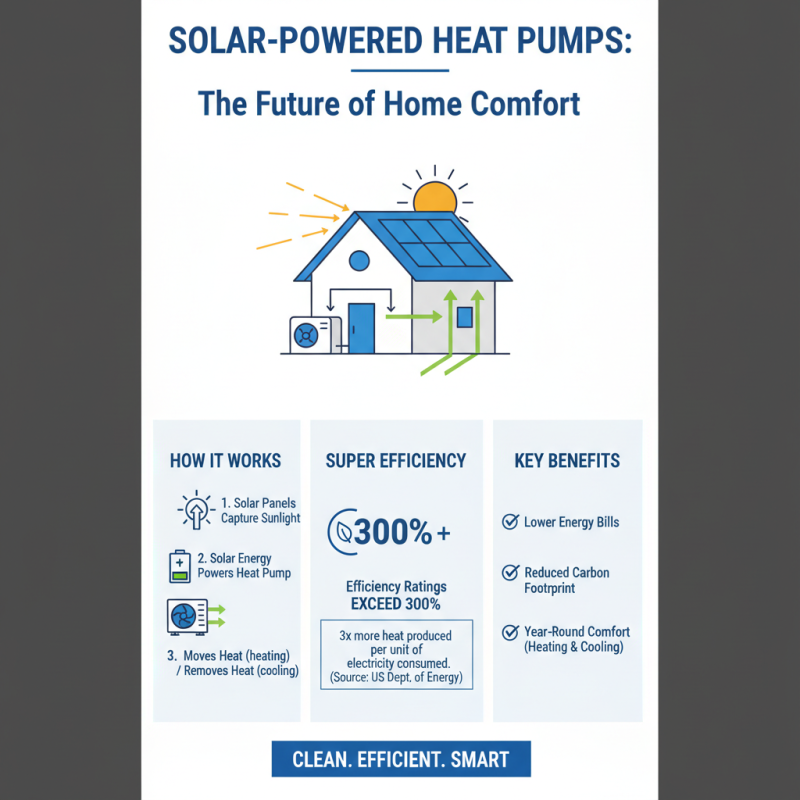
Solar powered heat pumps are gaining traction as an energy-efficient solution for home heating and cooling needs. Their operation is based on harnessing solar energy to supply heat, minimizing reliance on conventional electricity sources. According to the U.S. Department of Energy, solar heat pumps can achieve efficiency ratings exceeding 300%, meaning they can produce three or more units of heat for every unit of electricity consumed. This remarkable efficiency not only lowers energy bills but contributes to a significant reduction in carbon footprint.
The benefits of solar powered heat pumps extend beyond just efficiency. They utilize renewable energy, which can lead to substantial long-term savings and energy independence. The International Renewable Energy Agency (IRENA) reports that the integration of solar technologies in heat pump systems can reduce greenhouse gas emissions dramatically. Additionally, with the right incentives and rebates, homeowners might find the initial installation costs offset by operational savings over time. This blend of ecological advantages and financial prudence positions solar powered heat pumps as a compelling choice for environmentally conscious consumers looking to enhance their home's energy performance.
Evaluating Energy Efficiency Ratings for Solar Heat Pumps
When choosing a solar powered heat pump for your home, evaluating energy efficiency ratings is crucial. Energy efficiency ratings indicate how well a heat pump converts energy into heating or cooling. Look for models that feature high Seasonal Energy Efficiency Ratio (SEER) and Heating Seasonal Performance Factor (HSPF) ratings. A higher rating typically translates to better performance and lower energy bills, making your investment in solar heat pumps more worthwhile over time.
In addition to energy ratings, consider these tips: First, assess your home’s specific heating and cooling needs. This can help you choose the right size and capacity for your heat pump, ensuring optimal efficiency. Second, investigate different types of heat pumps available, such as air-source or ground-source, as their efficiency can vary depending on your local climate. Lastly, examine the user reviews and installation experiences to better understand the pump's reliability and support services, giving you peace of mind in your decision.
By focusing on energy efficiency ratings and these practical tips, you can make a more informed choice when selecting the best solar powered heat pump for your home, leading to enhanced comfort and energy savings.
10 Tips for Choosing the Best Solar Powered Heat Pump for Your Home - Evaluating Energy Efficiency Ratings for Solar Heat Pumps
| Feature |
Importance |
Rating/Value |
| Energy Efficiency Ratio (EER) |
Higher EER means better efficiency |
12.0 |
| Coefficient of Performance (COP) |
Indicates heating efficiency |
4.5 |
| Heating Capacity |
Adequate capacity for home size |
5 kW |
| Cooling Capacity |
Must meet cooling needs |
5 kW |
| Refrigerant Type |
Impact on efficiency & environment |
R410A |
| Noise Level |
Quieter units are preferred |
45 dB |
| Warranty Period |
Indicates product reliability |
5 Years |
| Installation Costs |
Affects overall investment |
$2,500 |
| Inverter Technology |
Improves efficiency & performance |
Yes |
| Annual Operating Costs |
Impact long-term savings |
$800 |
Key Features to Look for in Solar Powered Heat Pumps
When selecting a solar powered heat pump for your home, several key features should guide your choice. First, consider the efficiency rating of the heat pump, typically measured by its coefficient of performance (COP). A higher COP indicates greater efficiency, meaning that the pump will produce more heating for every unit of energy consumed. Additionally, look for a system that offers both heating and cooling capabilities, providing year-round comfort while maximizing the utility of your solar panel setup.
Another crucial aspect is the size and capacity of the unit. It should be appropriately matched to the space you need to heat or cool, as an oversized unit may cycle on and off too frequently, leading to increased wear and inefficiency, while an undersized unit may struggle to maintain comfortable temperatures. Furthermore, ensure that the heat pump employs refrigerants with low environmental impact, contributing to a more sustainable energy solution.
To make the most informed decision, it's advisable to assess the installation requirements and compatibility with your existing solar energy system. In some cases, integrating the heat pump with your current setup may involve additional costs or modifications. Additionally, check for warranties and customer support options, which can offer peace of mind and readiness for potential maintenance needs.
Energy Efficiency Ratings of Solar Powered Heat Pumps
Assessing the Size and Capacity Requirements for Your Home
When selecting a solar-powered heat pump for your home, assessing the size and capacity requirements is a crucial first step.
The right size ensures optimal efficiency, cost-effectiveness, and comfort.
Begin by evaluating the square footage of your living space; larger homes require more power to maintain comfortable temperatures, while smaller homes may be adequately serviced by a less powerful unit. Additionally, consider the layout of your home, including the number of rooms and levels, as these factors can impact airflow and heat distribution.
Another important aspect is the climate in your area. Regions with extreme temperatures may demand a unit with higher capacity to cope with heating needs during cold winters and cooling demands in the summer. Accurately calculating your home’s heating and cooling load can help you choose a heat pump that matches your specific requirements.
Take into account insulation levels, the number of windows, and the presence of any local trees or structures that may provide shade or additional heat exposure. By carefully assessing these factors, you can ensure that your solar-powered heat pump will operate efficiently and effectively, providing consistent comfort throughout the year.
Comparing Costs and Installation Options for Solar Heat Pumps
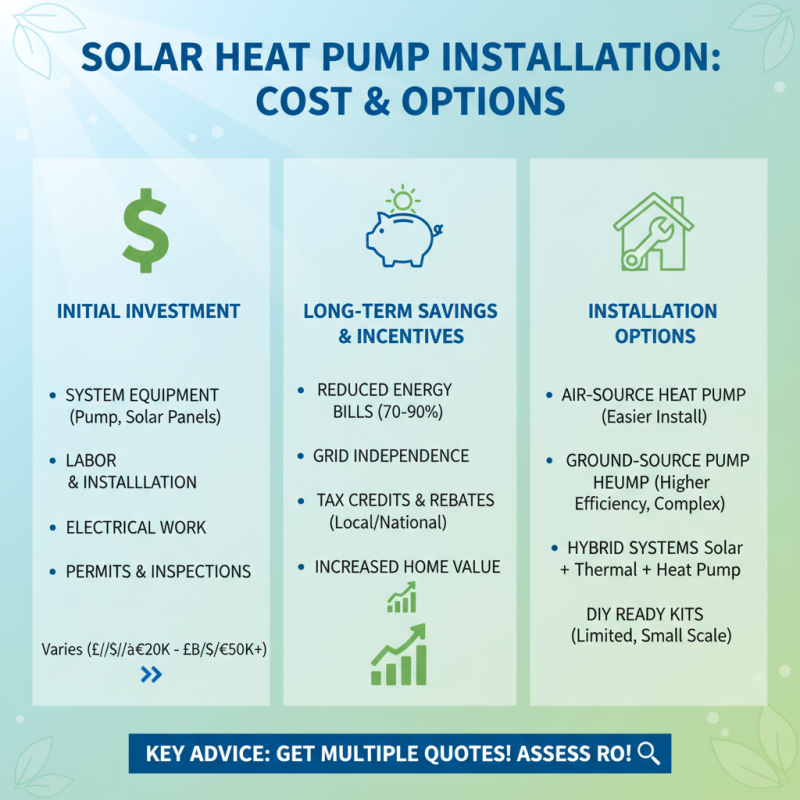
When considering the installation of a solar powered heat pump, one of the key factors to evaluate is the overall cost and the various installation options available. The initial investment in solar heat pump systems can be significant, but it's crucial to assess the long-term savings on energy bills and potential tax incentives or rebates that can offset costs. Be sure to obtain multiple quotes from reliable contractors to get a clearer picture of the installation costs, which can vary based on the complexity of the installation and the specific system chosen.
Another vital aspect to consider is the type of installation. Ground-source heat pumps typically require more extensive excavation than air-source models, which can affect both the installation timeline and costs. Additionally, your location and the specific climate conditions will impact performance and efficiency. Take the time to evaluate how these factors may influence your upgrading decision.
Tip 1: Always look for systems with high efficiency ratings, as they can lead to greater energy savings over time. Tip 2: Research local incentives or financing options that can reduce your upfront costs. Tip 3: Consider opting for a configuration that allows for easy integration with your existing heating and cooling system, ensuring a seamless transition to solar energy. This thoughtful approach will help you make a more informed decision when selecting the right solar heat pump for your home.