10 Tips for Choosing the Best CO2 Heat Pump for Your Home

When it comes to enhancing energy efficiency in our homes, CO2 heat pumps have emerged as a compelling choice. These innovative systems harness the power of carbon dioxide as a refrigerant, offering both environmental benefits and cost savings on energy bills. However, selecting the right CO2 heat pump for your specific needs can be a daunting task, given the variety of models and features available in the market.

In this guide, we will provide you with ten essential tips to help you navigate the process of choosing the best CO2 heat pump for your home. From understanding your heating requirements to evaluating the efficiency ratings and installation considerations, these tips will equip you with the knowledge necessary to make an informed decision. Embracing a CO2 heat pump not only contributes to a more sustainable lifestyle but also enhances the comfort and value of your living space. Let's delve into the factors that will help you select the ideal system for your home's unique needs.
10 Tips for Choosing the Best CO2 Heat Pump for Your Home

Key Performance Factors to Consider in CO2 Heat Pumps
10 Tips for Choosing the Best CO2 Heat Pump for Your Home

When selecting a CO2 heat pump for your home, it’s essential to evaluate key performance factors that influence efficiency and effectiveness. One primary consideration is the system's coefficient of performance (COP), which measures the heat output in relation to the electrical energy input. A higher COP indicates a more efficient system that can significantly reduce energy costs. Additionally, pay attention to the temperature range and capacities, ensuring that the heat pump can operate effectively in your local climate conditions while meeting your heating and cooling needs.

Another critical factor is the versatility of the heat pump system. Look for models that offer both heating and cooling capabilities and can integrate seamlessly with your existing HVAC setup. Noise levels are also important; opting for a quieter model can enhance comfort, especially in residential areas. Finally, consider the environmental impact and the refrigerant used, as CO2 heat pumps are known for their low global warming potential, making them an eco-friendly choice. By focusing on these performance factors, you can choose a CO2 heat pump that aligns with both your comfort needs and sustainability goals.

Understanding the Different Types of CO2 Heat Pumps for Home Use

10 Tips for Choosing the Best CO2 Heat Pump for Your Home

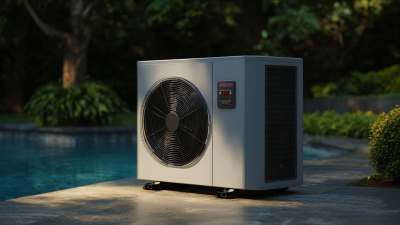
When selecting a CO2 heat pump for your home, it is essential to understand the various types available, as each is designed to meet different needs and circumstances. CO2 heat pumps primarily come in two main configurations: air-source and water-source. Air-source CO2 heat pumps extract heat from the ambient air, making them suitable for regions with mild climates. They are generally easier to install and maintain. On the other hand, water-source systems draw heat from bodies of water, such as lakes or groundwater, providing higher efficiency in colder environments, as they benefit from more stable temperatures beneath the surface.

Another aspect to consider is the system’s capacity and performance ratings, which indicate how effectively the heat pump functions under varying temperature conditions. High-performance models may offer better efficiency ratings but might come at a higher upfront cost. Additionally, ensure the selected heat pump is compatible with your existing heating and cooling systems for easier integration. By understanding these different types of CO2 heat pumps and their specific features, homeowners can make a more informed decision that aligns with their energy needs and environmental goals.

Assessing Energy Efficiency Ratings for Optimal Savings

When selecting a CO2 heat pump for your home, energy efficiency ratings should be a primary consideration. These ratings provide insight into how well a heat pump converts energy into heat, directly impacting your utility bills and the overall carbon footprint of your heating system. Look for models that have high Seasonal Energy Efficiency Ratio (SEER) and Heating Seasonal Performance Factor (HSPF) ratings, as these metrics indicate better performance over an entire heating or cooling season.

In addition to checking the energy efficiency ratings, it is essential to consider the unit’s certification status. Energy Star certified products typically meet stringent efficiency standards, ensuring that you are investing in a pump that not only saves energy but also qualifies for various rebates and incentives. Furthermore, investing in a unit with advanced technology, such as variable speed compressors, can enhance efficiency by adjusting output to match your home's needs, leading to more significant savings over time. Make sure to analyze these factors closely to ensure optimal savings and maximum comfort in your home.

10 Tips for Choosing the Best CO2 Heat Pump for Your Home - Assessing Energy Efficiency Ratings for Optimal Savings

Feature Description Energy Efficiency Rating Estimated Annual Savings ($)
Heating Capacity (kW) The amount of heat the pump can provide, based on the size of your home. A++ $500
Cooling Capacity (kW) The cooling power of the unit, crucial for warmer climates. A+ $400
Noise Level (dB) The sound produced during operation; lower is quieter. A+ $300
Defrost System Technology to prevent ice build-up and maintain efficiency. A++ $250
Warranty Period Duration of the warranty offered, typically 5 years. A $100
Smart Features Integration with smart home systems for remote control. A+ $150

Evaluating Installation and Maintenance Requirements

When selecting a CO2 heat pump for your home, understanding the installation and maintenance requirements is crucial for ensuring optimal performance and longevity. Research indicates that properly installed heat pumps can improve energy efficiency by up to 30% compared to traditional systems (IEA, 2022). However, the initial installation process can be complex, often requiring specialized knowledge and skills. It is essential to engage professionals who are well-versed in CO2 heat pump technology and local building codes to avoid potential pitfalls and ensure compliance.

Maintenance is another key consideration that impacts the lifespan and efficiency of CO2 heat pumps. According to a study by the European Heat Pump Association, regular maintenance can prolong the operational life of a heat pump by up to 20 years. Regular check-ups help identify potential issues early, such as refrigerant leaks or system inefficiencies. It’s advisable to schedule annual maintenance with certified technicians who can provide comprehensive servicing, including cleaning, testing, and part replacements as necessary. By prioritizing both installation and maintenance, homeowners can maximize the benefits of their CO2 heat pump system.

Exploring Cost Considerations and Long-Term Benefits of CO2 Heat Pumps

When considering a CO2 heat pump for your home, cost is a fundamental factor that can significantly influence your decision. Initially, the upfront investment for a high-quality CO2 heat pump may appear higher than traditional heating systems. However, it's essential to evaluate the long-term savings. CO2 heat pumps are known for their energy efficiency and lower operational costs, which can help mitigate the initial expenditure over time. By utilizing ambient air and available renewable energy, these systems reduce energy consumption and lower utility bills, providing homeowners with a balanced cost-benefit equation.

Moreover, the long-term benefits of CO2 heat pumps extend beyond financial savings. These systems have a smaller carbon footprint compared to conventional heating methods, making them an environmentally friendly choice. Additionally, they offer reliable heating and cooling solutions year-round, enhancing indoor comfort. Investing in a CO2 heat pump not only aligns with sustainability goals but also increases your property's value as energy-efficient homes become more desirable in the real estate market. Thus, while upfront costs are a consideration, the potential long-term savings and environmental benefits make CO2 heat pumps a worthwhile investment for homeowners.