Top 10 Digital Signage LED Wall Manufacturers Worldwide
Choosing a reliable manufacturer matters when a digital signage LED wall becomes the public face of a venue. Airports, retail stores, stadiums, museums, and corporate campuses all demand different performance levels. A bright outdoor display cannot be judged by indoor showroom standards. Likewise, a fine-pitch wall for a control room needs different engineering than a large roadside screen.
This guide explores ten leading digital signage LED wall manufacturers worldwide. The comparison considers image quality, pixel pitch options, brightness control, cabinet design, energy use, installation support, and long-term maintenance. It also examines practical details, such as front-service access, spare module availability, thermal management, and software compatibility. These factors often influence ownership costs more than the initial quotation. A low purchase price may lose its appeal after repeated repairs or difficult replacements.
No ranking is perfect. Regional service coverage can change quickly, and product lines evolve every year. A manufacturer with strong hardware may provide weaker local support. Another company may offer excellent customization but limited delivery capacity. Those differences deserve attention. Reliable evaluation should include documented specifications, independent testing where available, warranty terms, and feedback from real installations. Site conditions matter too. Viewing distance, sunlight, ventilation, content type, and operating hours can change the right decision completely. This overview aims to offer a practical starting point, not a substitute for technical assessment. Buyers should verify current certifications, support arrangements, and project references before signing a contract. Small details matter.
Definition and Role of Digital Signage LED Walls
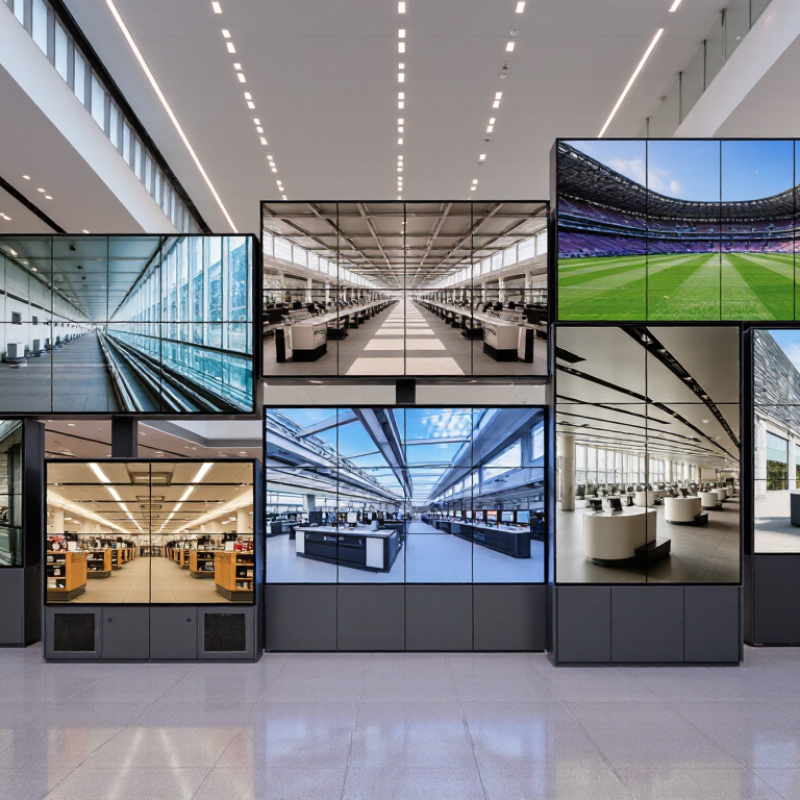
Digital signage LED walls are large, modular display systems built from light-emitting diode panels. They present video, graphics, text, and live information across indoor or outdoor spaces. Unlike static boards, LED walls can change content within seconds. Their brightness also supports visibility in sunlight, stations, retail areas, stadiums, and corporate environments.
Their role is broader than advertising. They guide visitors, strengthen public communication, support events, and create recognizable visual environments. Grand View Research estimated the global digital signage market at USD 27.1 billion in 2022. The firm also projected an 8.1% compound annual growth rate from 2023 to 2030. The World Out of Home Organization reported that digital out-of-home advertising represented about one-third of global out-of-home spending in 2023. These figures show growing demand, although market estimates differ by definition and region. Bigger is not always better. A wall with poor contrast, unsuitable pixel pitch, or weak content can waste attention and energy. In real installations, viewing distance matters more than impressive size.
Tips: Match pixel pitch to viewing distance. Measure ambient light before selecting brightness. Use readable fonts and short messages. Schedule content updates carefully. Test heat, moisture, and maintenance access. Operators should also review accessibility and local safety requirements. A technically perfect wall may still fail when its message feels crowded, delayed, or irrelevant. That weakness deserves honest review.
Key Features Used to Compare Global LED Wall Manufacturers
Top 10 Digital Signage LED Wall Manufacturers Worldwide
Comparing global LED wall manufacturers requires more than checking product prices or brightness claims. A practical evaluation starts with pixel pitch, viewing distance, cabinet size, and installation environment. Fine-pitch panels suit close indoor viewing, while larger pitches often perform better across plazas and transport halls.
I have inspected LED walls where uneven calibration created visible bands between cabinets. Uniformity matters. Compare brightness consistency, grayscale performance, refresh rate, and color accuracy using independent test reports. Thermal design also deserves attention. A cabinet operating beside hot lighting equipment may need stronger ventilation and monitoring. Look for recognized safety certifications, documented ingress protection, and clear electrical specifications.
Reliability appears in the details. Review module replacement methods, spare-part availability, warranty terms, remote diagnostics, and local technical support. A five-year warranty sounds reassuring, but response times may matter more during a live event. Check power consumption under typical operation, not only maximum load. Ask whether control systems support common media standards and scheduled content workflows. Supply-chain transparency can reveal potential delays. No comparison is perfect. A technically strong display may still fail when installation training is weak or maintenance access is restricted. Test a sample cabinet, measure it after several hours, and record results before selecting from the top ten.
Product Technologies and Industry Applications
The top ten digital signage LED wall manufacturers worldwide compete through pixel engineering, serviceability, and application-specific design. Their products commonly use SMD or COB technology, with fine pixel pitches for close viewing. COB surfaces offer stronger protection against impact and dust, but repairs can be more specialized. SMD modules often provide easier maintenance and broader configuration choices.
Brightness, refresh rate, and color calibration strongly influence real performance. Outdoor walls may exceed 5,000 nits and require weather-resistant cabinets with IP-rated protection. Indoor displays usually prioritize comfortable brightness, narrow bezels, and low power consumption. High refresh rates reduce scan lines in camera footage. Front-service modules also help technicians replace components inside crowded retail spaces.
Different industries demand different compromises. Shopping centers need vivid colors and reliable scheduling through a content management system. Sports venues require wide viewing angles, high refresh rates, and cabinets that tolerate frequent handling. Control rooms value stable brightness, precise calibration, and continuous operation. Transportation hubs need clear text under changing light. Corporate lobbies often choose fine-pitch walls for presentations and brand visuals.
No panel is perfect. A brighter display may consume more energy, while ultra-fine pixels can increase cost and repair complexity. Field testing remains essential. Viewing distance, ambient light, heat, and maintenance access should be checked before purchase. Specifications look convincing. Installation experience still decides the outcome.
Selection Criteria for Different Business and Display Needs
Top 10 Digital Signage LED Wall Manufacturers Worldwide
Selecting among the top 10 manufacturers requires more than comparing pixel prices. The right supplier depends on venue size, viewing distance, brightness, service access, and content demands. MarketsandMarkets estimates the digital signage market could grow from USD 27.1 billion in 2023 to USD 43.4 billion by 2028. That growth increases choice, but also increases confusion.
For retail windows, choose fine-pitch LED walls with strong brightness control and quiet operation. A shopping mall may need high-impact visuals, while a control room needs stable color accuracy and continuous performance. Outdoor venues require weather protection, thermal management, and verified ingress ratings. Ask for measured power consumption, refresh rate, cabinet weight, and spare-part availability. Omdia’s professional display research repeatedly highlights reliability and service support as major purchasing factors. A low initial price can become expensive after repeated module failures. My own preference is to test a full cabinet before approval, although this may overlook long-term software issues. No ranking is perfect.
Tips: Compare total ownership cost, not only the screen quotation. Request a live demonstration under real lighting. Check calibration records, warranty response times, and local technician coverage. For large installations, calculate viewing distance first. A beautiful wall can still feel wrong when the pixel pitch is too coarse. Also, leave space for maintenance access; this detail is often underestimated.

