Top UHP Graphite Electrode 500mm Suppliers for Global Buyers
Selecting a Uhp Graphite Electrode 500mm supplier involves more than comparing quoted prices. This electrode size is used in demanding electric arc furnace operations, where consistent performance and dependable delivery matter. Yet the label alone does not tell buyers how a product will perform. Grade, manufacturing controls, nipple compatibility, and operating conditions all deserve attention.
A careful supplier review should examine technical data, quality certificates, inspection procedures, and export experience. Buyers can ask how the supplier controls raw materials and verifies finished electrodes. They should also confirm dimensions, packaging, lead times, and support for transport planning. Small details count. A damaged thread or unclear specification can complicate installation and delay work. Easy to overlook.
This guide introduces leading supplier considerations for global buyers seeking UHP graphite electrodes in the 500 mm class. It focuses on practical questions that help separate documented capabilities from sales claims. Company rankings can be useful, but they are not a substitute for checking current records and product requirements. No shortlist is perfect. Furnace design, local service, and delivery routes can change which supplier is the right fit. The goal is a more informed comparison, not a universal recommendation. Buyers should validate every offer against their own operating needs before making a purchase decision.
Understanding 500mm UHP Graphite Electrodes and Their Applications
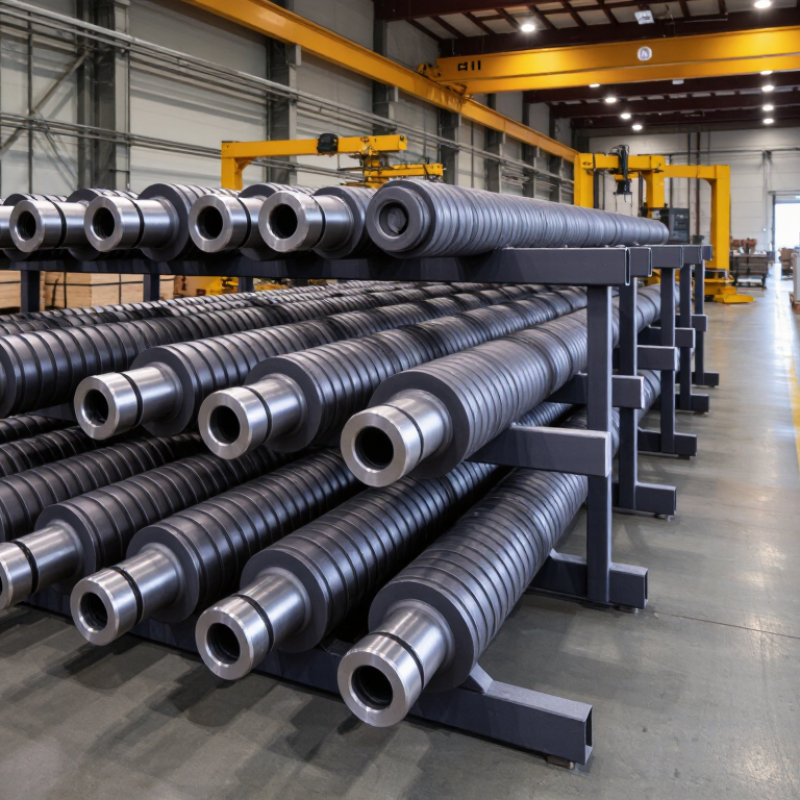
A 500mm ultra-high-power (UHP) graphite electrode carries electrical current into an electric arc furnace, where the arc melts metal. Its diameter supports high-current operation, but performance also depends on electrode grade, joint fit, furnace design, and operating practice. A poor nipple connection can create hot spots; a rushed heat-up can increase breakage risk. Details matter.
Electric arc furnaces commonly melt recycled steel and direct-reduced iron. The World Steel Association’s 2023 data report global crude-steel production of about 1.89 billion tonnes, with roughly 29% made through the EAF route. That scale helps explain demand for reliable electrodes, though it does not mean every furnace needs a 500mm size. Buyers should compare rated current, bulk density, resistivity, oxidation resistance, and consumption data against their furnace conditions. Specifications alone can mislead.
Tips: Confirm the electrode and nipple dimensions together. Ask suppliers for test certificates and consumption records from comparable furnaces. Keep joints clean and aligned during handling. A small installation mistake matters. UHP electrodes are robust, but not indestructible.
Key Specifications That Define Electrode Quality and Performance
For a 500 mm UHP graphite electrode, compare electrical resistivity, bulk density, flexural strength, thermal expansion, and ash content. Many supplier datasheets list electrode resistivity near 5.5–6.5 μΩ·m and bulk density around 1.65–1.75 g/cm³. Treat these as comparison ranges, not universal acceptance limits. Lower resistivity can reduce electrical losses, while adequate flexural strength helps the electrode withstand handling and furnace loads. Small numbers matter. Buyers should check test methods and lot-specific results, not just headline values.
Dimensional accuracy matters at the joint. Confirm the 500 mm diameter tolerance, nipple dimensions, and thread fit; poor contact can create local heating and premature failure. The World Steel Association’s World Steel in Figures 2024 reports 1,892.2 million tonnes of crude steel production in 2023, underscoring the scale of demand for consistent performance. Yet a datasheet cannot predict every furnace condition. Ask for certificates of analysis, independent test results, and traceable batch records. A useful comparison also includes coefficient of thermal expansion and ash limits, since heat cycling and impurities affect service life. Even careful buyers can miss this: specifications only help when suppliers measure them consistently.
How to Compare 500mm Electrode Suppliers Across Global Markets
Top UHP Graphite Electrode 500mm Suppliers for Global Buyers
Comparing 500mm suppliers starts with matching the electrode to your furnace, not choosing the lowest quote. World Steel Association’s World Steel in Figures 2024 reports 1,892.2 million tonnes of crude steel production in 2023. Its process data puts electric-arc-furnace steelmaking at about 28.6% of the reported total for 2022. These figures show the scale of the market, but they do not predict an individual plant’s electrode consumption.
Request current test results for resistivity, bulk density, flexural strength, and dimensional tolerances. Compare the electrode and nipple as a connected system; poor thread fit can create trouble even when the body’s figures look strong. Ask whether test samples represent routine production lots, and check traceability from batch to shipment. Small differences matter. A certificate alone cannot show how an electrode performs during your furnace’s operating cycles.
Then assess delivery reliability, packaging, and the supplier’s response to technical complaints. A 500mm electrode can arrive with edge damage if crates are poorly braced, so ask for loading photos and written packing specifications. Compare lead times against your melt schedule, including port handling and inland transport. Worldsteel’s data gives useful market context, not a supplier scorecard. Be cautious with unusually low prices; the missing detail may be in testing scope, tolerances, or replacement terms. Some comparisons remain imperfect, so record assumptions before approving a trial order.
Top UHP Graphite Electrode 500mm Suppliers for Global Buyers
How to Compare 500mm Electrode Suppliers Across Global Markets
The chart shows common listed length options for 500 mm graphite electrodes, not supplier-specific sales data. Availability can vary by producer and market. When comparing quotations, confirm the actual length and tolerance, nipple and thread specifications, and applicable quality documents.
Assessing Supplier Certifications, Production Capacity, and Reliability
Top UHP Graphite Electrode 500mm Suppliers for Global Buyers
Selecting a 500 mm UHP graphite electrode supplier takes more than comparing quotations. Ask for current quality-management certificates, then verify their scope, issuing body, validity dates, and covered production site. Not a guarantee. A certificate supports due diligence, but it cannot prove every shipment will meet your specifications.
Assess capacity in practical terms: monthly output, machining resources, furnace availability, and existing order commitments. Ask how the supplier controls diameter, length, resistivity, bulk density, and nipple fit. Request recent inspection records with agreed tolerances, not just a product brochure. For international deliveries, confirm packaging standards, realistic lead times, and how delays are communicated. Large capacity figures can look convincing on paper; ask what is already committed.
Reliability often appears in small details. Are technical questions answered clearly? Can test results be traced to production lots? Does the supplier explain corrective actions when defects occur? Request references or sample documentation, then compare claims against a trial order where practical. I would not rely on a polished certificate scan alone. No checklist removes every risk, and supplier records may not tell the whole story. Careful verification makes comparisons more grounded.
Logistics and Procurement Factors for International Buyers
Global buyers should treat 500 mm UHP graphite electrodes as a specification-and-delivery purchase, not a simple diameter match. The World Steel Association reported 1,882.6 million tonnes of crude steel production in 2024, underscoring the scale of steelmaking demand. Yet that figure does not predict an individual mill’s electrode consumption. Confirm grade, dimensions, nipple compatibility, and inspection documents against the furnace’s operating requirements before placing an order.
Shipping details can change the landed cost. UNCTAD’s Review of Maritime Transport 2024 reports that maritime transport carries over 80% of world trade by volume. Ask suppliers for package dimensions, gross weight, loading plans, and dispatch dates, then check these against container limits and inland delivery arrangements. For long routes, specify dry, secure packing and careful lifting to reduce impact damage. One overlooked detail is port storage: a small delay can add cost. Schedules need a buffer; they rarely behave perfectly.
Tips: Compare total delivered cost, not just the quoted unit price. Request recent inspection records, packing photos, and written confirmation that electrodes and nipples match. Keep a little flexibility in delivery dates.

