
What Is the Best Type of Eye Massager?
Choosing among Eye Massagers is not simply a matter of selecting the strongest vibration or the lowest price. The Vision Council’s Digital Eye Strain reports show that screen-related discomfort remains widespread among American adults, including tired eyes, dryness, headaches, and blurred vision. These symptoms can appear after hours of laptop work, when the eyes feel gritty and the temples begin to tighten.
The best device should match the user’s actual needs. Heat may feel soothing after a long spreadsheet session. Gentle compression may offer a relaxing experience around the brow. Vibration can add comfort, but stronger is not automatically better. The American Academy of Ophthalmology advises regular screen breaks and appropriate eye care, rather than treating consumer gadgets as medical solutions. That distinction matters.
Comfort comes first.
Industry analysis from Grand View Research describes growing consumer interest in personal wellness and home-use relaxation devices. However, market growth does not prove clinical effectiveness. A careful comparison should examine temperature control, pressure levels, noise, battery safety, fit, cleaning requirements, and return policies. Independent reviews can help, but they may be inconsistent or sponsored. This is where many buying guides fall short.
A useful Eye Massagers review must remain practical and honest. No device should cause pain, excessive pressure, dizziness, or visual changes. People with eye disease, recent eye surgery, contact-lens complications, or unexplained symptoms should seek professional advice before use. The best type is therefore not universal. It is the safest, most comfortable option for a clearly defined purpose.
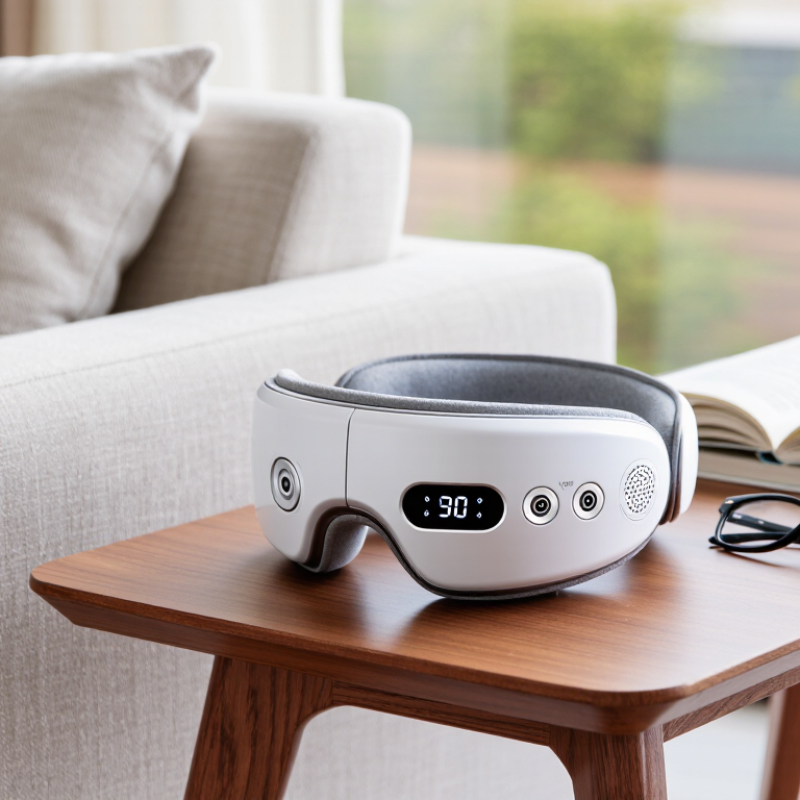
Table of Contents [Hide]
Define Eye Massagers by Mechanism: Heat, Compression, Vibration, and Light
What Is the Best Type of Eye Massager?
Eye massagers differ mainly by mechanism, and each creates a different sensation. Heat uses gentle warmth around the eyelids. It may feel soothing after long screen sessions, especially in a quiet room. However, excessive heat can irritate sensitive skin. Choose adjustable temperature settings, not intense warmth.
Compression applies light, rhythmic pressure around the eyes. This can feel similar to a careful fingertip massage. Vibration adds small movements that may reduce the feeling of facial tension. Both features should remain gentle and comfortable. Strong pressure is not automatically more effective. It may leave the area sore, which is an easy mistake to overlook.
Light-based models use colored or near-infrared light, but their benefits depend on the device and intended use. Evidence is not equally strong for every claim. My practical preference is a device with simple controls, clean washable surfaces, and a short session timer. Still, preferences change. A warm setting may relax me, while compression may bother someone with sinus sensitivity. People with eye disease, recent eye surgery, severe dryness, or unexplained pain should ask an eye-care professional before using one. Stop if vision changes, redness, or discomfort appears.
What Is the Best Type of Eye Massager? Define Eye Massagers by Mechanism: Heat, Compression, Vibration, and Light
| Mechanism | How It Works | Typical Sensation | Potential Benefits | Best Suited For | Evidence and Expected Results | Advantages | Limitations and Safety Considerations |
|---|---|---|---|---|---|---|---|
| Heat | Applies gentle warmth around the eyelids and surrounding tissues. Warmth may soften oils in the meibomian glands and support the flow of the tear-film lipid layer. | Warm, soothing, and relaxing. The recommended temperature should remain comfortable and should never feel hot or painful. | May temporarily relieve dryness-related discomfort, eyelid irritation, and screen-related eye fatigue. Warm compresses are commonly used as part of eyelid hygiene for meibomian gland dysfunction. | People with dry-eye symptoms associated with evaporative tear loss, tired eyes, or tight eyelids. | Warm compresses have clinical support for some evaporative dry-eye and meibomian gland problems. Benefits are usually temporary and depend on consistent, appropriate use. | Simple mechanism, generally quiet, and suitable for relaxation. Often the most practical option for dry-eye comfort. | Avoid excessive heat, prolonged sessions, or direct contact with very hot surfaces. Use caution with reduced skin sensation, recent eye surgery, active eye inflammation, or conditions that make heat unsafe. |
| Air Compression | Inflatable chambers gently press and release the areas around the eyes, usually in a rhythmic sequence. | Massage-like pressure with alternating squeezing and releasing. Pressure should feel gentle rather than forceful. | May promote relaxation, reduce the subjective feeling of eye strain, and provide temporary comfort around the forehead and orbital area. | People seeking relaxation after prolonged visual work or those who prefer a rhythmic massage sensation. | Evidence for general eye-fatigue relief is limited and varies by device. Compression should not be considered a treatment for glaucoma, retinal disease, or other eye conditions. | Can provide a noticeable massage effect and may combine well with heat or music-free relaxation routines. | Avoid strong pressure over the eyeballs. Seek medical advice before use if you have glaucoma, retinal problems, uncontrolled high eye pressure, recent eye procedures, severe eye pain, or unexplained visual changes. |
| Vibration | Uses small mechanical movements to oscillate or gently massage the mask or contact points near the brow and orbital bones. | Light buzzing or pulsing. It should not cause pain, blurred vision, headache, or facial numbness. | May help users relax and may temporarily reduce the perceived sensation of tension around the forehead and eyes. | People who prefer a light mechanical massage and do not find rhythmic vibration irritating. | Direct evidence for treating dry eye or improving visual performance is limited. Any benefit is more likely to be short-term comfort than correction of an underlying eye disorder. | Usually quick to use, easy to combine with other mechanisms, and potentially helpful for relaxation. | Avoid use if vibration triggers headaches, dizziness, eye discomfort, or visual disturbance. Do not place strong vibrating pressure directly on the eye. |
| Light Therapy | Uses visible or near-infrared light from LEDs. The effect depends on wavelength, intensity, exposure time, and the design of the device. | Usually little or no physical sensation; some devices may produce mild warmth or visible light through the mask. | Some light-based technologies are being studied for inflammation, tissue recovery, and dry-eye-related symptoms, but results depend heavily on the specific wavelength and protocol. | People interested in light-based technology who understand that evidence and device specifications vary. | Clinical evidence is less consistent than for conventional warm compresses. A consumer light device should not be assumed to have the same performance as a clinically studied treatment. | No squeezing or mechanical pressure. It can be comfortable for users who dislike compression or vibration. | Follow the manufacturer’s eye-protection instructions. Avoid unverified devices, excessive exposure, and use near the eyes when photosensitivity, retinal disease, or photosensitizing medication is involved without professional advice. |
| Heat + Compression | Combines eyelid warming with rhythmic air pressure or massage. | Warmth with a gentle squeezing sensation. | May provide both relaxation and temporary dry-eye comfort. Heat addresses eyelid warmth, while compression adds a massage sensation. | Users who want a multifunctional routine and tolerate gentle pressure well. | The potential benefit comes mainly from the heat component; the added value of compression differs between users and devices. | Versatile and often more relaxing than a single-mechanism design. | More features can increase the risk of excessive heat or pressure. Stop if symptoms worsen, and avoid use over painful, swollen, or infected eyelids. |
| Heat + Vibration | Combines gentle warmth with mechanical oscillation around the brow and orbital bones. | Warmth with a mild buzzing or pulsing feeling. | May reduce the subjective feeling of tiredness and provide a relaxing self-care experience. Heat may also support eyelid comfort. | Users who enjoy vibration and want warmth without air-filled squeezing. | Evidence for the combined effect is limited. Heat-related benefits are better established than vibration-related benefits for dry-eye comfort. | Quietly combines two relaxing sensations and does not require inflatable air chambers. | Do not use if vibration causes headaches or if warmth aggravates redness, swelling, or irritation. |
| Compression + Vibration | Uses rhythmic air pressure together with mechanical pulsing or oscillation. | More active massage with squeezing and buzzing sensations. | May provide temporary relaxation and a stronger massage experience than either mechanism alone. | Users who specifically prefer a noticeable massage effect. | There is limited clinical evidence that this combination improves eye health or visual acuity. It should be viewed primarily as a comfort product. | Offers a stronger sensory experience without relying on heat. | The combined pressure and vibration may be uncomfortable for sensitive users. Avoid if you have unexplained eye pain, recent eye surgery, or pressure-related eye conditions unless cleared by an eye-care professional. |
Practical conclusion: For heat-related dry-eye comfort, a gentle warm-compress function is generally the most evidence-supported starting point. Compression and vibration are mainly relaxation features, while light therapy requires careful attention to wavelength, exposure, eye protection, and clinical evidence. An eye massager should not replace an eye examination when symptoms are persistent, painful, or associated with vision changes.
