Why Choose a Geothermal Heat Pump in Colorado for Your Home?
Choosing the right heating system for your home in Colorado comes with many considerations. One option stands out: the geothermal heat pump. This technology harnesses the earth’s constant temperature for efficient heating and cooling. It is especially relevant for Colorado’s diverse climate.
Geothermal heat pumps are energy-efficient and environmentally friendly. They reduce your carbon footprint significantly compared to conventional heating systems. While the initial installation cost can be higher, the long-term savings on energy bills are substantial. Homeowners often find the return on investment appealing.
However, selecting a geothermal heat pump in Colorado is not without challenges. The installation process requires a thorough site assessment. Variables such as soil type and property size can impact efficiency. Seeking professional advice is crucial to ensure the best choice is made. In considering a geothermal heat pump, weigh both benefits and limitations carefully.
Understanding Geothermal Heat Pumps: Basics and Functionality
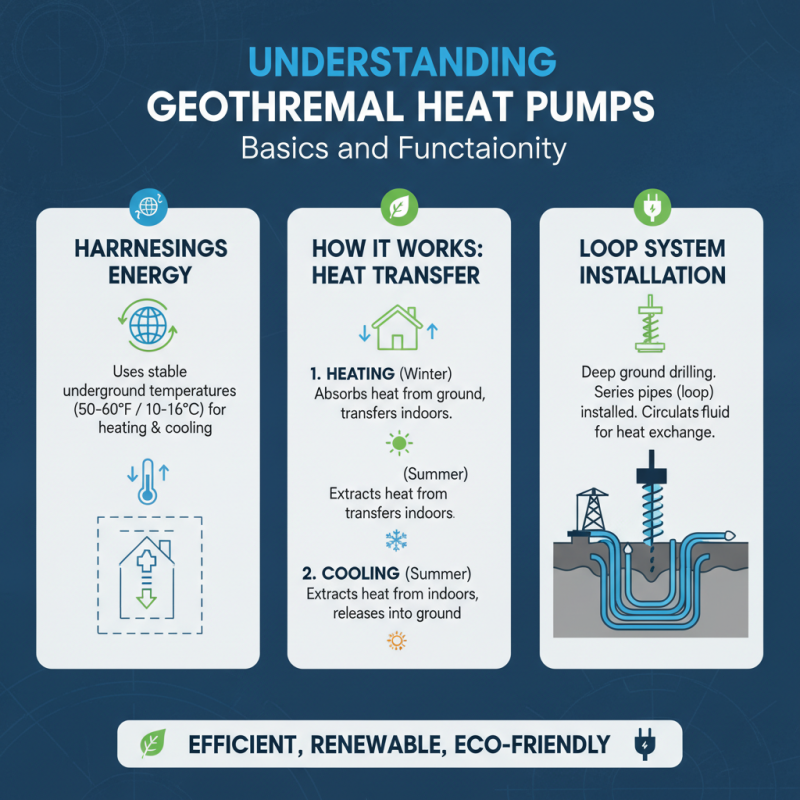
Geothermal heat pumps harness the earth's renewable energy for heating and cooling. These systems utilize the stable temperatures underground to regulate your home’s climate. By transferring heat, they provide efficient comfort regardless of the season. The installation involves drilling deep into the ground to set up a series of pipes known as a loop system. This approach minimizes reliance on fossil fuels.
When considering a geothermal system, think about your local soil type. Some soils conduct heat better than others. The efficiency of your system can vary based on this factor. Homeowners should also evaluate their current heating and cooling needs. Geothermal systems can be a larger upfront investment, yet they significantly reduce utility bills over time.
**Tips:**
Calculate your energy usage before installation. This helps determine the right size for your geothermal pump. Seek out professional assessments to avoid costly mistakes. Regular maintenance is crucial. Check your system yearly to ensure it runs efficiently. Even small issues can escalate if neglected.
Benefits of Installing a Geothermal Heat Pump in Colorado
Geothermal heat pumps present an innovative solution for homeowners in Colorado. These systems utilize the earth’s natural warmth, providing efficient heating and cooling year-round. Homeowners can significantly lower their energy bills. The stable temperatures underground offer a reliable resource. This can be a huge relief for anyone tired of fluctuating utility rates.
Installing a geothermal heat pump also contributes to sustainability. These systems reduce reliance on fossil fuels, which helps decrease greenhouse gas emissions. For the environmentally conscious, this is an essential consideration. However, the initial investment can seem daunting. It's not just the equipment; installation can be complex and requires significant effort.
Yet, the long-term benefits often outweigh these challenges. Many homeowners find that their investment pays off within a few years. They enjoy consistent comfort and lower maintenance costs. It's a system that may need reflection and planning but can transform living spaces. Adopting this technology means embracing efficiency while caring for the planet.
Climate Considerations: Why Geothermal Systems Thrive in Colorado
Colorado's unique climate creates the perfect environment for geothermal heat pumps. Average winter temperatures can drop below freezing, making efficient heating crucial. According to the U.S. Department of Energy, geothermal systems can reduce heating costs by 30-60%. This efficiency stems from harnessing the stable ground temperature below the frost line.
Despite initial installation costs, many homeowners see substantial long-term savings. A study from the National Renewable Energy Laboratory noted that geothermal systems can last over 25 years, significantly outpacing traditional furnaces. The durability of these systems makes them a reliable choice for Coloradans facing variable weather.
However, not every home is ideally suited for geothermal heating. Properties with limited land space may struggle to accommodate the necessary ground loops. Homeowners must weigh their options carefully. The transition to geothermal could mean a significant upfront investment. Balancing these factors is essential for effective home energy management.
Geothermal Heat Pump Efficiency in Colorado vs Traditional Heating Systems
This bar chart compares the efficiency of geothermal heat pumps with traditional heating systems commonly used in Colorado. The Coefficient of Performance (COP) indicates that geothermal heat pumps are significantly more efficient than natural gas, electric resistance, and propane systems, making them a viable choice for homeowners looking to reduce energy consumption and costs.
Cost Analysis: Comparing Geothermal Heat Pumps to Traditional Systems
Geothermal heat pumps (GHPs) provide an efficient heating and cooling solution for homes in Colorado. The initial investment can appear daunting, with costs ranging from $10,000 to $30,000. However, when you consider the long-term savings, GHPs often become the more economical choice. According to the U.S. Department of Energy, GHPs can reduce energy bills by up to 70% compared to traditional HVAC systems.
While conventional systems can have lower upfront costs, they incur higher operational expenses. For example, natural gas furnaces might cost $5,000 - $7,000 to install, but they typically consume more energy annually. Studies show that GHPs offer a payback period of around five to seven years, factoring in tax credits and rebates. In contrast, traditional systems may take much longer to recover costs without similar incentives. The longevity of GHPs also adds value, lasting over 25 years with proper maintenance.
In Colorado, the efficiency of GHPs aligns well with state energy goals. However, it's important to consider site-specific factors such as soil condition and land availability. Not every property is suitable for a geothermal system. Homeowners should evaluate their unique circumstances and perhaps consult with a professional to better understand the potential costs and savings. This reflects a growing awareness that energy efficiency is not just a financial choice, but also a responsible choice for the environment.
Environmental Impact: How Geothermal Heating Promotes Sustainability
Geothermal heating stands out as a sustainable alternative in Colorado. By harnessing the earth's stable temperatures, geothermal heat pumps offer an efficient way to heat and cool homes. This method vastly reduces reliance on fossil fuels, which are known culprits in climate change. The installation of these systems has a lower carbon footprint compared to traditional heating options. Every time you reduce energy consumption, you're directly contributing to a healthier planet.
Adopting geothermal technology does present challenges. High upfront installation costs can deter some homeowners. However, the long-term savings and environmental benefits often outweigh the initial investment. Many people underestimate how quickly these systems pay for themselves through reduced energy bills. Additionally, working with qualified experts ensures that installations are done correctly, enhancing efficiency and reliability. This commitment to professionalism is essential in promoting sustainable practices within local communities.
Moreover, ongoing maintenance is essential to keep the system running efficiently. Neglecting maintenance can lead to decreased performance and higher energy use over time. This highlights the importance of not only choosing the right technology but also investing in care and expertise. In every way, geothermal heating is a path toward a sustainable future, although it requires thoughtful consideration and commitment.
Why Choose a Geothermal Heat Pump in Colorado for Your Home? - Environmental Impact: How Geothermal Heating Promotes Sustainability
| Feature |
Benefit |
Environmental Impact |
| Energy Efficiency |
Lower utility bills |
Reduces greenhouse gas emissions |
| Renewable Energy Source |
Sustainable heating and cooling |
Minimizes reliance on fossil fuels |
| Longevity |
Long service life (25+ years) |
Less waste in landfills |
| Low Maintenance |
Fewer repair costs |
Decreased environmental disruption |
| Climate Resilience |
Stable temperatures year-round |
Supports local ecosystems |