How to Choose the Right Gas Heat Pump for Your Needs?
Selecting the right gas heat pump for your home can be challenging. It's essential to balance efficiency and comfort. According to industry expert Dr. Emily Thompson, “Choosing the proper gas heat pump is critical for energy savings and environmental impact.” Her insight emphasizes the importance of understanding individual needs.
When evaluating gas heat pumps, consider factors like size, efficiency ratings, and installation costs. Many homeowners overlook the significance of matching the pump’s capacity to their space. An oversized unit may lead to higher energy bills, while an undersized one might struggle to heat effectively.
Take time to analyze your heating requirements and local climate. Explore various models and features before making a decision. Some devices offer advanced technologies that improve efficiency and performance. Don't rush this important choice; the right gas heat pump will enhance your comfort and potentially lower your bills.
Understanding Gas Heat Pumps: An Overview of Functionality
Gas heat pumps are increasingly popular for their energy efficiency and environmental benefits. These systems transfer heat from the outside air or ground to provide heating or cooling for buildings. According to the International Energy Agency, gas heat pumps can reduce carbon emissions by up to 50% compared to traditional heating systems. This shift is essential as we aim to mitigate climate change.
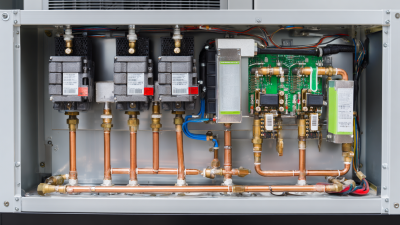
Understanding how gas heat pumps work is crucial. They utilize a refrigeration cycle, comprising four main components: evaporator, compressor, condenser, and expansion valve. During operation, the system absorbs heat from the air or ground and transfers it indoors. However, efficiency varies based on ambient temperatures and installation setups. In colder climates, performance may dip, raising concerns about reliability and effectiveness.
Selecting the right gas heat pump involves assessing your specific needs. Factors include the size of your space, local climate, and energy costs. The U.S. Department of Energy recommends considering these elements for optimal performance. Moreover, installation quality significantly impacts efficiency. Poorly installed units can lead to energy losses of up to 30%. Hence, it’s essential to engage professional services for the best results.
Gas Heat Pump Efficiency Comparison
This bar chart compares the efficiency ratings (COP - Coefficient of Performance) of different types of gas heat pumps. Higher COP values indicate better efficiency in utilizing gas to produce heat.
Evaluating Efficiency Ratings: SEER, HSPF, and AFUE Explained
When selecting a gas heat pump, efficiency ratings play a vital role. The three main metrics to consider are SEER, HSPF, and AFUE. SEER stands for Seasonal Energy Efficiency Ratio. It measures cooling efficiency over a typical cooling season. A higher SEER value indicates better efficiency, which can result in lower energy bills.
HSPF, or Heating Season Performance Factor, is crucial for heating efficiency. It evaluates how well a heat pump uses electricity to produce heat during the heating season. A higher HSPF means increased efficiency, yet many homeowners don’t focus enough on this metric.
AFUE, the Annual Fuel Utilization Efficiency, measures how much fuel a furnace converts into usable heat. While less common in heat pumps, understanding AFUE helps in comparing it with traditional heating systems. A high AFUE rating indicates less wasted energy. Many consumers may overlook these ratings, leading to inefficient systems. Evaluating these ratings with care helps ensure an optimal choice for your heating needs.
Sizing Your Gas Heat Pump: How to Calculate BTU Requirements
When sizing your gas heat pump, one key factor is determining your BTU requirements. BTU, or British Thermal Unit, is the measure of heat energy needed to raise the temperature of one pound of water by one degree Fahrenheit. To size your heat pump correctly, begin by calculating the total area of the space you wish to heat. This figure will serve as a foundational element in your BTU calculation.
Consider your home's insulation and climate. A well-insulated home in a mild climate will require fewer BTUs than a poorly insulated space in a colder area. As a rule of thumb, estimate 20 BTUs per square foot for average insulation. However, this is just a starting point. Each home is unique. Size adjustments may be needed based on factors like ceiling height and specific room activities.
Tips: Remember to account for windows and external walls. Lack of insulation can significantly affect your heating needs. Additionally, consult with a professional to ensure your calculations align with your specific environment. Upgrading windows or enhancing insulation may change your BTU requirements entirely. It's wise to reassess your calculations periodically, particularly after any home renovations.
Assessing Fuel Types and Availability: Natural Gas vs. Propane
Choosing the right fuel type for your gas heat pump is essential. Natural gas and propane are two popular options.
Natural gas is often more readily available in urban areas. It typically offers a lower cost per unit of energy.
However, gas supply can fluctuate based on market conditions. Many homeowners appreciate its efficiency.
Propane, while generally more expensive, has unique advantages.
It is more widely available in rural areas. This fuel type can be stored on-site, ensuring a constant supply.
Propane heaters can work effectively even in cold climates. However, it requires proper storage to avoid safety issues.
Consider your location, fuel availability, and cost. The right choice hinges on access and personal needs.
Assess each fuel’s efficiency rating and environmental impact. Understanding these factors is crucial.
Ultimately, the best decision reflects your specific situation and goals.
Comparing Costs: Initial Investment vs. Long-Term Savings in Energy Bills
When choosing a gas heat pump, initial costs can be a sticking point. On average, homeowners might pay between $4,500 to $7,500 for a quality system. This upfront investment can be daunting. However, over time, these systems can yield considerable savings. Studies show that efficient gas heat pumps can reduce energy bills by up to 50%.
Looking deeper into energy consumption, a gas heat pump typically consumes around 3,000 to 4,000 kWh per year. In contrast, traditional electric heating can consume nearly double that. This difference makes gas heat pumps appealing for budget-conscious consumers. If the installation is handled expertly, these pumps can last over 15 years, delivering value over their lifespan.
Though the initial investment is significant, it's important to consider long-term savings. A homeowner might recuperate the initial costs within five years through energy savings alone. However, this requires careful planning and installation. Inconsistent maintenance could negate these savings. Analyzing cost versus savings is essential for informed decisions. It’s worth weighing both sides carefully before making a commitment.