Heat Pumps for Dummies A Guide to Choosing the Best Option?
Choosing the right heating system can be challenging. With various options available, understanding heat pumps can feel overwhelming. "Heat Pumps for Dummies" simplifies this process. It provides clarity to those unfamiliar with the technology.
Heat pumps are efficient and eco-friendly. They transfer heat instead of generating it. This method can lead to lower energy bills. However, not everyone knows how they work. Understanding their functionality is crucial. Many might think all heat pumps are the same. In reality, they differ greatly in performance and application.
This guide will help you navigate options. You’ll learn about different types of heat pumps. The aim is to empower you in making informed decisions. Consider factors like climate, efficiency, and installation costs. By the end, you might find that your initial understanding needs a reevaluation. “Heat Pumps for Dummies” is more than just a guide; it’s an insightful resource for everyone.
What Are Heat Pumps and How Do They Work?
Heat pumps are versatile devices that transfer heat from one place to another. They can provide both heating and cooling. In cold weather, they extract heat from the outside air, ground, or water. Even when it's chilly, there’s still heat energy available. This process is especially efficient, as heat pumps consume much less electricity compared to traditional heating systems. According to the U.S. Department of Energy, heat pumps can reduce energy bills by up to 50%.
Understanding how heat pumps work is vital for optimal use. They operate using a refrigerant that absorbs heat. This refrigerant circulates through the system, moving heat indoors during winter while releasing heat outside during summer. While they offer significant efficiency, their performance can decline in extreme cold. In these conditions, auxiliary heating may be required, leading to higher energy consumption.
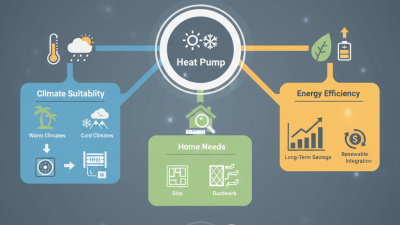
In selecting a heat pump, consider factors like energy efficiency ratings and installation cost. The installation process must comply with local regulations, which can add complexity. While some heat pumps come with advanced features, not all these features are necessary for everyone. A comprehensive evaluation of your heating and cooling needs compared to your local climate conditions is essential. Making the right choice can lead to significant long-term savings.
Types of Heat Pumps: A Comparative Overview
When choosing a heat pump, understanding the different types is essential. There are three main categories: air-source, ground-source, and water-source heat pumps. Air-source heat pumps are the most common. They transfer heat between your home and the air outside. This type is often less expensive to install but can be less efficient in extreme temperatures.
Ground-source heat pumps, also known as geothermal, utilize the Earth's stable temperature. They require more upfront investment due to the extensive installation process. However, they offer significant long-term savings and efficiency. Water-source heat pumps operate similarly but extract heat from a body of water. This system works well if you have access to a suitable water source.
Each option has its pros and cons, and it's crucial to assess your specific needs. Factors like climate, energy efficiency, and installation constraints will impact your decision. It’s easy to get lost in the technical details. Take the time to reflect on your choices and consider consulting with an expert to ensure you make an informed decision.
Types of Heat Pumps: A Comparative Overview
Factors to Consider When Choosing a Heat Pump
When selecting a heat pump, various factors come into play. Understanding these can guide you towards the best option. Efficiency ratings are paramount. Look for units with a high Seasonal Energy Efficiency Ratio (SEER) and Heating Seasonal Performance Factor (HSPF). Studies show that a higher SEER can reduce energy consumption by up to 20%. This translates to substantial savings over time.
The size of the unit is equally crucial. An oversized heat pump may lead to short cycling, reducing efficiency. Conversely, an undersized unit struggles to maintain desired temperatures. Sizing should be based on your home’s square footage, insulation quality, and local climate. An estimated 40% of homes have improperly sized systems, leading to wasted energy and discomfort.
The heat pump's type also influences performance. Air-source models are popular for moderate climates, while ground-source pumps excel in extreme conditions. Data suggests that ground-source systems can be up to 48% more efficient than air-based ones in colder regions. However, installation costs are higher, which requires careful financial assessment. Balancing initial investment with long-term savings is key.
Energy Efficiency and Cost Savings with Heat Pumps
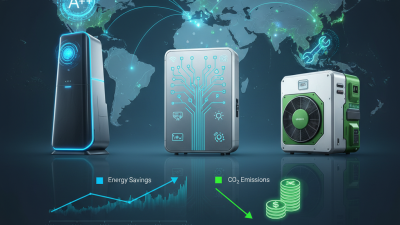
Heat pumps are becoming increasingly popular due to their energy efficiency and cost-saving capabilities. According to the U.S. Department of Energy, heat pumps can reduce energy use for heating by approximately 50% compared to traditional heating systems. This efficiency translates not only to lower energy bills but also to a smaller carbon footprint. With rising energy costs, investing in a heat pump can yield significant savings over time.
In addition, many households are unaware of potential rebates and incentives. The Database of State Incentives for Renewables & Efficiency (DSIRE) reports that various states offer financial benefits for installing heat pumps. These incentives can accelerate the return on investment for homeowners. However, choosing the right system is crucial. Not all heat pumps provide the same level of efficiency or savings. Homeowners must consider system size, local climate, and insulation quality.
While the upfront costs of heat pumps may be higher than traditional systems, the long-term savings can make them a smart choice. Some studies indicate that households can recover their initial investment in under ten years, depending on usage and local energy rates. Reflecting on these factors will help potential buyers make informed decisions about their heating needs.
Heat Pumps for Dummies: A Guide to Choosing the Best Option
| Heat Pump Type |
Efficiency Rating (SEER) |
Average Cost ($) |
Estimated Annual Savings ($) |
Lifespan (Years) |
| Air Source Heat Pump |
15 |
3,500 |
500 |
15 |
| Geothermal Heat Pump |
20 |
6,000 |
1,200 |
25 |
| Ductless Mini-Split Heat Pump |
18 |
4,200 |
700 |
20 |
| Hybrid Heat Pump |
16 |
4,800 |
800 |
18 |
Installation and Maintenance Tips for Optimal Performance
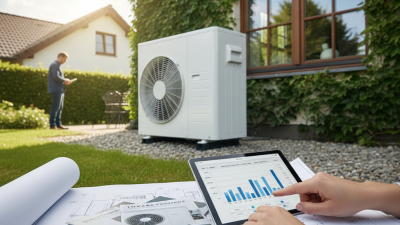
When installing a heat pump, location matters significantly. Placing the outdoor unit in a shaded area can enhance its efficiency. Research indicates that properly sited units can achieve up to 30% better performance. Make sure the area remains clear of debris for optimal airflow. An installation professional should assess the site before work begins. This step can prevent potential operational issues.
Regular maintenance is crucial for extending the lifespan of your heat pump. Studies show that neglecting routine checks can reduce efficiency by nearly 25%. Homeowners should schedule annual inspections to ensure all components function correctly. Simple tasks, like cleaning filters, also play an essential role. This can improve air quality and lower energy bills. However, not everyone prioritizes these tasks, leading to suboptimal performance.
Consider the power supply as well. Regularly check for any electrical anomalies. Fluctuations can damage the unit over time. If unsure, consulting with an HVAC expert can clarify any concerns. While many users rely on DIY approaches, it's wise to consult professionals for electrical-related issues. This careful attention can save money in the long run.