Top Spa Heat Pumps for Sale in 2026
A warm spa should feel inviting, not like a test of patience while the water heats. In 2026, a spa heat pump can offer an efficient way to maintain comfortable temperatures, but the right choice depends on your spa, climate, and usage. This guide to top spa heat pumps for sale compares practical factors, including heating capacity, energy performance, operating range, noise, and warranty support. Numbers matter. So does fit.
A unit that suits a compact tub may struggle with a larger spa or frequent winter use. Check the manufacturer’s specifications against your water volume and local conditions, and confirm that installation requirements match your site. Look for clear performance data, accessible service support, and controls that are easy to understand. A quiet unit beside a patio can make evenings more pleasant; poor placement can make even a capable model feel intrusive. Reviews can help, but they do not replace verified specifications. And a highly rated pump may still disappoint if it is undersized. The comparisons ahead are intended to narrow the options, not promise one perfect answer. Your best buy is the model that fits your real routine, rather than the one with the flashiest claims.
Spa Heat Pump Basics: How Air-Source Units Transfer Heat to Water
Top Spa Heat Pumps for Sale in 2026
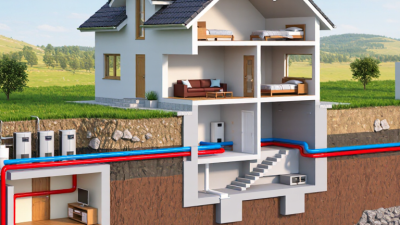
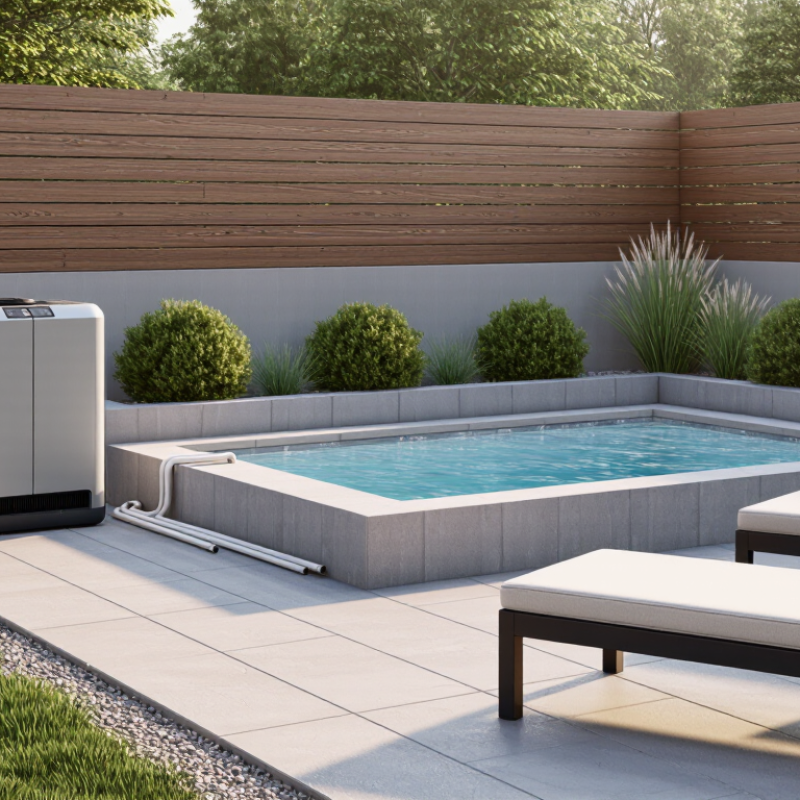
A spa heat pump moves heat; it does not create most of it through electrical resistance. A fan draws outdoor air across an evaporator coil, where refrigerant absorbs heat and evaporates. The compressor raises the refrigerant’s pressure and temperature. In the condenser, heat passes into spa water circulating through the unit. The refrigerant then expands and repeats the cycle. It is a small transfer process, but it depends on airflow and water flow.
The U.S. Department of Energy says heat pumps can use about 50% less electricity for heating than electric-resistance systems. The International Energy Agency’s 2022 report, The Future of Heat Pumps, notes that heat pumps can be three to five times more energy-efficient than gas boilers. These figures describe broader heating applications, not a guaranteed spa result. Outdoor temperature, water temperature, sizing, and maintenance all affect performance. Colder air means less readily available heat. That detail is easy to overlook.
Tips: Keep the air intake clear of leaves and give the unit room to breathe. Check the filter and water flow regularly. Compare performance ratings at the temperatures you actually expect; a single headline number can be misleading. And remember, quieter operation may matter more than a small efficiency gain beside a patio.
Spa Heat Pump Basics: How Air-Source Units Transfer Heat to Water
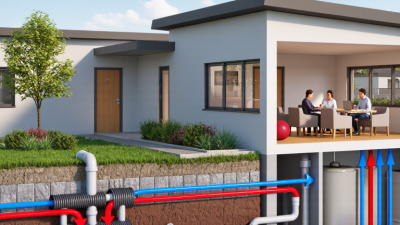
Illustrative energy balance for one operating point
An air-source spa heat pump uses electricity to move heat from outdoor air into the water. In this example, 1 kWh of electricity powers the system while it absorbs 4 kWh of heat from the air, delivering 5 kWh of heat to the water (a heating COP of 5.0). Actual performance varies with air and water temperatures, equipment design, and operating conditions.
DOE Benchmark: Heat Pumps Can Deliver 2–4 Units of Heat per kWh
Top Spa Heat Pumps for Sale in 2026
A useful DOE benchmark puts heat-pump output at roughly two to four units of heat per unit of electricity. In practical terms, a spa heat pump moves warmth from outdoor air into the water rather than creating all its heat directly. That difference can reduce electricity use, though actual results depend on weather, water temperature, and equipment setup.
Picture a spa holding steady on a mild afternoon. The pump draws heat from the air, while its compressor and fan use electricity. A coefficient of performance near 3 means about three units of heat enter the water for each unit of electricity used under those conditions. It is a helpful comparison, not a promise. Cold, damp air can slow heating, and a poorly insulated cover lets warmth escape. Small details matter.
When comparing spa heat pumps for sale in 2026, check the stated heating capacity and the air temperature used for testing. Two models may show different output because they were measured under different conditions. Ask for performance data at temperatures close to your local climate, and confirm that the unit suits your spa’s water volume. Quiet operation matters, too. A fan that sounds modest in a showroom may feel loud beside a patio at night. I would also leave room for a little uncertainty: real-world energy use rarely matches a neat laboratory figure.
Compare 2026 Spa Heat Pumps by COP, Capacity, Noise, and Climate Range
When comparing spa heat pumps for 2026, look beyond the highest advertised COP. COP measures heat output against electrical input, but results change with outdoor air and water temperatures. A rating at mild conditions may not reflect a chilly evening beside your spa. Check the test conditions. Then compare models measured under similar conditions.
Capacity matters just as much. A small unit may struggle to raise a large spa’s temperature after a water change, while an oversized unit can cost more than your setup needs. Match the stated heating capacity to spa volume, cover quality, and how quickly you expect the water to warm. Ask for figures at cooler air temperatures, not only ideal ones. A neat table can still mislead.
Noise is easy to overlook until the pump sits beside a patio or bedroom window. Compare sound ratings, and check the measurement distance; a decibel figure without context is hard to judge. Climate range deserves the same care. Look for the minimum operating temperature and details about defrost behavior, since performance may drop in cold, damp weather. Cold nights happen. Installation position and airflow also affect comfort, so leave space around the unit and consider where its sound will travel. I would not choose from a single rating alone. Room for doubt helps.
Match Heat-Pump Output to Spa Volume, Cover Use, and Target Temperature
When comparing spa heat pumps for sale in 2026, start with the spa’s actual water volume, not its advertised seating capacity. A six-person spa can hold very different amounts of water. Check the specification plate or owner’s manual, then note your usual starting temperature and preferred soak temperature. The gap between them affects how long recovery takes.
Output ratings need context. A unit’s stated capacity may come from mild test conditions, while cool, damp air can reduce heating performance. Compare published output at temperatures close to your local climate, and ask how capacity changes as outdoor air cools. Small details matter. A fitted, well-sealed cover can sharply reduce heat loss between sessions; frequent uncovered use increases the work required. Also consider wind exposure and how often the spa is used. A larger unit is not automatically the best choice if it cycles poorly or costs more than your needs justify. I would allow some margin, but not guess wildly. Match the heat pump’s output to the spa volume, cover habits, climate, and acceptable wait for reheating. Check whether the stated figures describe steady operation or actual recovery from a cold start. That distinction is easy to miss, and it can make a brochure number feel more reassuring than real-world performance.
Check 2026 Listings for Installation Needs, Warranty, and Operating Costs
Top Spa Heat Pumps for Sale in 2026
A 2026 spa heat-pump listing should show heating capacity, electrical requirements, water-flow range, and operating limits. Compare capacity at the outdoor temperatures you actually expect, not only under ideal test conditions. A unit may heat slowly on a cold evening. Check whether your spa’s volume and plumbing match the stated requirements, and confirm that the proposed location has adequate airflow and service access. Installation needs vary; a qualified installer can assess electrical supply, pipe connections, drainage, and local site conditions before purchase.
Tips: Ask for a written installation estimate. Confirm whether it includes wiring, valves, and startup checks. Measure the available space around the unit, including room for maintenance. Small details matter.
Review warranty terms for coverage length, labor, parts, and required maintenance records. Ask which conditions could limit coverage, such as incorrect water flow or neglected cleaning. For operating costs, estimate monthly energy use from the unit’s consumption and your electricity rate; then account for spa use, target temperature, and a fitted cover. Seasonal estimates are imperfect, especially where weather changes quickly. Still, comparing the same assumptions across listings makes the numbers more useful than relying on a single advertised efficiency figure.