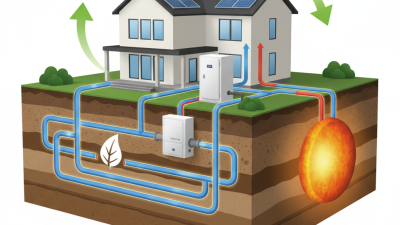
Why Choose a Geothermal Unit for Your Home?
A geothermal unit can heat and cool a home by moving heat between the building and the ground. Rather than burning fuel to create heat, it uses a heat pump and buried ground loops. On a cold morning, that system may help keep rooms comfortable while outdoor temperatures fall. Its performance, however, depends on the home, equipment, and installation.
The appeal is practical: geothermal systems can use less electricity than many conventional heating systems, and their underground loops are protected from everyday weather. But installation may require drilling or excavation, suitable space, and careful planning around soil conditions and existing utilities. The upfront cost can be substantial. Not every property is a good fit. A qualified local contractor can assess the site, inspect ductwork, and explain expected operating costs before you commit. Ask for written estimates and assumptions, not just a headline efficiency figure.
There are trade-offs. A well-designed system may offer steady comfort and long service life, yet savings are not guaranteed; utility rates, maintenance, and financing all matter. Even a polished estimate can miss a detail. This guide explores how geothermal units work, what installation involves, and which questions homeowners should ask. It also considers situations where another heating system may make more sense. The goal is not to promise effortless savings, but to help you decide whether a geothermal unit suits your home and budget.

How a Geothermal Unit Heats and Cools a Home
A geothermal unit moves heat rather than creating it through combustion.
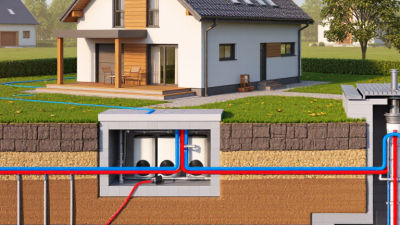
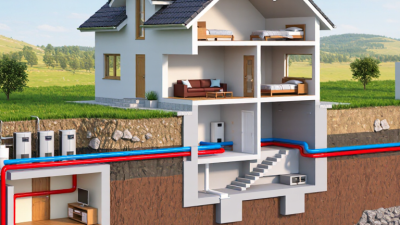
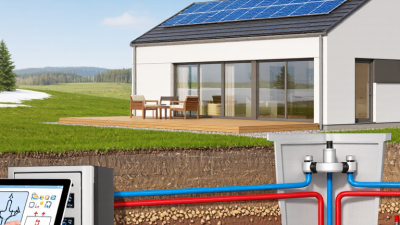
A heat pump connects the home to a buried ground loop, usually made of sealed pipes filled with fluid. Below the surface, temperatures change less dramatically than outdoor air temperatures. The exact conditions still depend on soil, rock, groundwater, and loop design.
In winter, fluid circulating through the pipes absorbs heat from the ground and carries it indoors. The unit’s refrigerant cycle raises that heat to a useful temperature, then a fan or radiant system distributes it through rooms.
In summer, the process reverses: the system pulls heat from indoor air and transfers it into the ground. A warm bedroom can feel cooler without an outdoor condenser releasing hot air beside the house. The compressor still uses electricity. It is not magic.
The explanation sounds tidy, but installation details rarely are.
A narrow lot may need vertical boreholes, while a larger property might allow horizontal trenches. Ductwork, insulation, and careful loop sizing affect comfort too. If airflow is uneven, one room may stay chilly even when the equipment is working properly. A site assessment helps determine what the ground and home can actually support.
How Site Conditions Affect Geothermal System Performance
Geothermal performance starts under the yard, not at the thermostat. Soil texture, moisture, rock depth, groundwater movement, and seasonal ground temperatures shape heat transfer. Damp clay may behave differently from dry sand or fractured rock. A design copied from a neighboring property may therefore underperform. Small differences matter.
The U.S. Department of Energy’s Energy Saver guidance reports that geothermal heat pumps can use 25–50% less electricity than conventional heating and cooling systems. That range is not a home-specific guarantee. Loop length, bore spacing, local geology, and the building’s heating load all affect actual results. ASHRAE’s geothermal design guidance also treats ground thermal properties as essential inputs, not minor installation details.
Before choosing vertical or horizontal loops, a qualified designer should review site plans, utility locations, yard space, and drilling access. A thermal conductivity test may help refine loop sizing on larger or uncertain projects. Groundwater can improve heat exchange in some settings, but its direction and seasonal variation deserve scrutiny. I would not assume the wettest spot is automatically best. Poor drainage, tight access, or shallow bedrock can change both cost and performance.
Energy Efficiency and Long-Term Household Costs
A geothermal unit moves heat between your home and the ground, rather than creating heat through combustion. The U.S. Department of Energy reports that ground-source heat pumps can deliver three to six units of heat per unit of electricity. For comparison, air-source heat pumps may deliver about 1.75 to 2.5 units on the coldest winter nights. That difference can lower heating bills, especially where winters are severe.
But efficiency is not the same as guaranteed savings. The DOE notes that installation costs vary with the home, system design, and ground-loop conditions. A yard with rocky soil or limited space may require more planning and expense. Ask for a written estimate that separates equipment, drilling or trenching, and electrical work. Then compare projected annual energy costs with your current bills and local utility rates. The numbers can shift.
Maintenance matters too. Keep filters clean, and have airflow and system controls checked as recommended by the installer. DOE performance figures describe system capability; a poorly sized or installed unit may not achieve them. That is worth remembering. A long payback estimate can also overlook future energy-price changes, while an optimistic one may assume perfect usage. Before committing, compare assumptions and request a calculation based on your home’s measured energy use.
Why Choose a Geothermal Unit for Your Home?
Estimated annual heating electricity costs for the same household heat demand
This illustrative comparison assumes 10,000 kWh of useful heat per year, an electricity price of $0.16 per kWh, and seasonal performance factors of 4.0 for a geothermal heat pump, 3.0 for an air-source heat pump, and 1.0 for electric resistance heating. Actual costs vary with climate, home efficiency, equipment performance, and local electricity rates. Installation and maintenance costs are not included.
Installation Requirements and Ongoing Maintenance
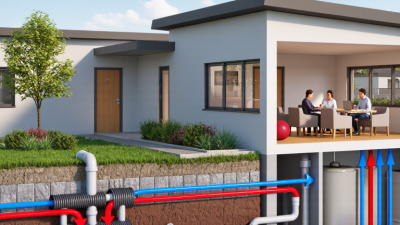
A geothermal system needs careful planning before any equipment arrives. A qualified installer should assess the home’s heating and cooling loads, soil conditions, available yard space, and access for drilling or trenching. The loop may sit horizontally in broad trenches or vertically in drilled boreholes. Each option has different space and excavation requirements. The indoor unit also needs a dry, accessible location, plus suitable electrical service and a condensate drain. That takes space.
Installation estimates should explain what the site assessment includes, how the ground loop will be tested, and how the work may affect landscaping. Local permits or inspections may apply, so confirm responsibilities with the installer before work begins. A detail homeowners can underestimate is equipment access: a cramped utility room can make later filter changes awkward. It is worth measuring the route to the installation area, not just the room itself.
Ongoing care is generally practical, not mysterious. Check or replace air filters on the schedule recommended for the system, and keep supply and return vents clear. Once a year, have a technician inspect electrical connections, airflow, condensate drainage, and system controls. The buried loop usually needs little routine attention, but unusual pressure readings or persistent performance changes deserve investigation. I would not assume “low maintenance” means “no maintenance”; skipped filter checks can still restrict airflow and reduce comfort. Keep service records, even if they seem uneventful.
How Geothermal Compares with Conventional HVAC Systems
A conventional air-source HVAC system exchanges heat with outdoor air, so its workload can rise during very hot or cold weather. A geothermal unit uses buried piping to exchange heat with the ground, whose temperatures are generally steadier. The U.S. Department of Energy’s Energy Saver estimates geothermal heat pumps can use 25–50% less electricity than conventional heating and cooling systems. The Environmental Protection Agency’s geothermal heat pump guide reports potential energy savings of 30–60% for heating and 20–50% for cooling.
That matters.
Picture a cold morning: an air-source heat pump may need more energy to draw heat from chilly air, while a geothermal system draws on the ground loop. Actual results depend on climate, insulation, system design, and electricity rates; these published ranges are not guarantees, and the agencies’ figures use different comparisons. Installation also requires a suitable site and properly sized underground loop. The upfront cost can be substantial. Existing ductwork may help, but it does not remove the need for a site assessment. Geothermal can offer quieter operation and steadier performance, yet the numbers alone cannot decide whether it fits a particular home. A careful comparison should include local installation quotes and expected energy use.