Why Heat Pumps for Dummies Are Worth Buying?

Heat pumps for dummies may sound like a beginner’s guide, but the subject deserves serious attention. These systems move heat instead of creating it, using electricity to warm or cool a home. On a cold morning, a properly sized unit can quietly maintain comfortable indoor temperatures without burning fuel on site. That practical difference is why many homeowners consider heat pumps worth buying.

The value becomes clearer when daily details are examined. A modern heat pump can provide heating, cooling, and sometimes hot water from one system. It may reduce energy use compared with older electric resistance heaters. Actual savings depend on electricity prices, insulation, local weather, and equipment performance. A drafty room still feels uncomfortable. Technology cannot repair every building problem.

Professional assessment matters. An experienced installer should calculate the home’s heating load, inspect ductwork, and explain backup heating options. Product certification and published efficiency ratings also provide useful evidence. Ask about cold-weather operation, maintenance access, noise levels, and warranty coverage. Do not choose a unit by price alone.

The answer is not universal. In mild climates, benefits may appear quickly. In harsher regions, careful design becomes essential. Some homeowners may dislike the higher purchase cost or the learning curve. That concern is reasonable. This guide explores the evidence, costs, comfort, and limitations behind heat pumps for dummies. It aims to make the decision clearer, not pretend that every household needs the same solution. Experiences vary, and a thoughtful reassessment after one heating season may reveal what the brochure missed.
Why Heat Pumps for Dummies Are Worth Buying?

What Heat Pumps Are and How They Work

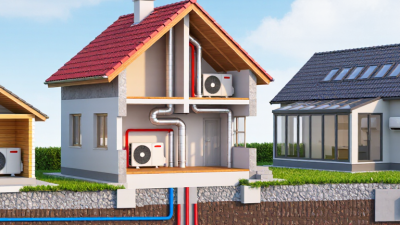
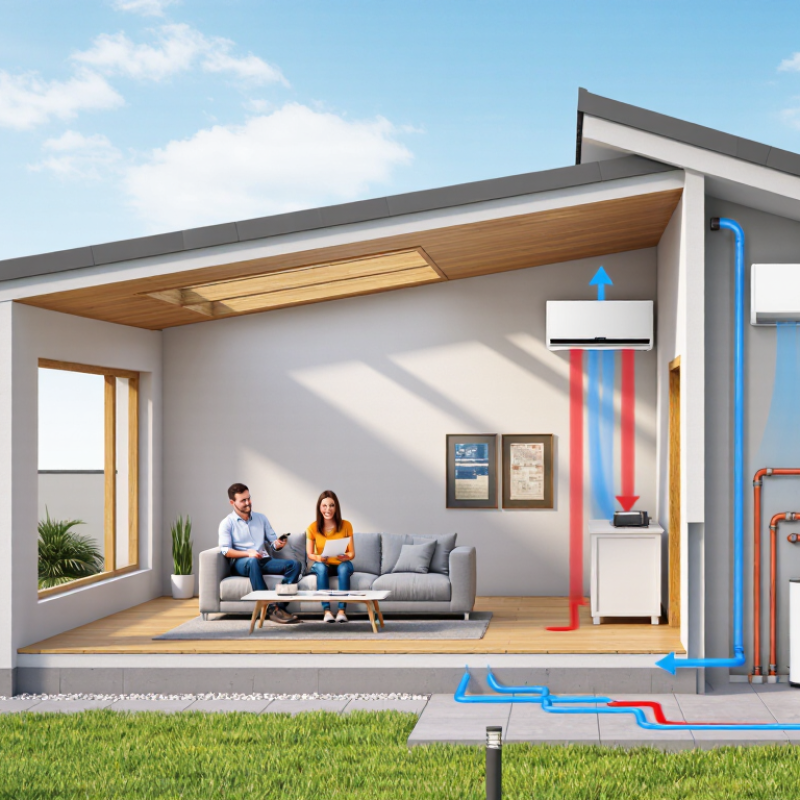
A heat pump moves heat instead of creating it. In heating mode, an outdoor coil absorbs low-temperature heat from the air. The compressor raises the refrigerant’s pressure and temperature. An indoor coil then releases that heat into the room. A reversing valve changes the flow for cooling. Even at 5°C, outdoor air still contains usable thermal energy.

The International Energy Agency reported in The Future of Heat Pumps that heat pumps can deliver three to five units of heat for each unit of electricity. The U.S. Department of Energy also explains that modern systems can produce two to four times more heating energy than their electricity use. These figures describe seasonal performance, not every hour. Cold snaps, poor insulation, and frequent defrost cycles can reduce efficiency.

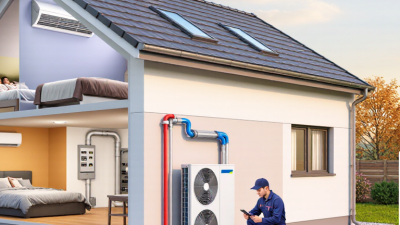
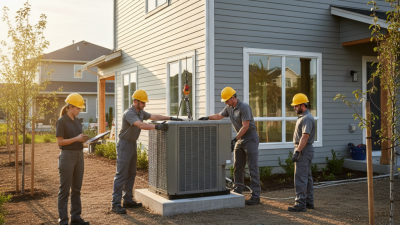
Installation details matter more than simple product labels. A technician should measure room loads, inspect ducts, and check airflow. A blocked outdoor coil may sound like a small problem, but it can raise electricity use quickly. I used to think a larger unit was safer. That assumption is imperfect. Oversizing can cause short cycling, uneven temperatures, and unnecessary wear. A correctly sized system should start smoothly, run steadily, and leave the indoor air comfortable rather than noticeably hot.

Why Heat Pumps Are Worth Buying: What They Are and How They Work

A heat pump moves heat instead of creating it by burning fuel. Its efficiency is measured by the coefficient of performance (COP): a COP of 3 means that 1 kWh of electricity delivers about 3 kWh of heat.

The values are representative operating figures: electric resistance heating delivers about 1 unit of heat per unit of electricity, air-source heat pumps commonly deliver around 2–3 units under moderate-to-cold conditions, and ground-source heat pumps often deliver around 4 units. Actual performance varies with outdoor temperature, system design, and installation.

The Main Types of Heat Pumps Explained

Why Heat Pumps for Dummies Are Worth Buying?

The Main Types of Heat Pumps Explained

Heat pumps move heat instead of creating it directly. This can reduce energy use in suitable homes. The right type depends on climate, land, water access, and existing heating equipment. A professional assessment matters more than a catchy sales claim.

Air-source heat pumps are the most common option. They draw heat from outdoor air and release it indoors. Modern systems can work during freezing weather, but efficiency usually falls as temperatures drop. The outdoor unit needs clear airflow and regular cleaning. It may also create a low humming sound near bedrooms. Small details matter.

Ductless mini-split systems use indoor wall units and need no large duct network. They suit extensions, older homes, and rooms with uneven temperatures. Ground-source heat pumps exchange heat with buried pipes. Their performance is steadier, but digging requires space, planning, and higher installation costs. Water-source systems use a suitable lake, well, or other approved water source. They can perform well, yet water quality and local regulations require careful checks.

I once underestimated how much insulation affects comfort. A powerful heat pump cannot fix serious drafts. That lesson is easy to miss. Ask an installer to calculate heat loss, explain cold-weather output, and confirm maintenance needs. Look beyond the unit price. Electricity rates, installation quality, backup heating, and repair access shape the real cost over time.

Key Benefits of Choosing a Heat Pump

Heat pumps are worth considering because they provide heating and cooling from one system. They move heat instead of creating it through combustion. This process can reduce energy use, especially in well-insulated homes. A properly sized unit may keep a bedroom steady at 20°C during a cold night. It can also cool the same room during summer.

Comfort is another practical benefit. Heat pumps distribute warm air gradually, avoiding the sharp temperature swings common with some heaters. Many modern systems operate quietly, which matters in home offices and nurseries. They also avoid on-site flames and fuel storage. That can improve indoor air quality when ventilation is managed correctly. However, savings are not magic. Electricity prices, outdoor temperatures, insulation, and maintenance all influence performance.

Professional sizing remains essential. A qualified installer should calculate the building’s heat loss rather than rely on room size alone. Look for seasonal efficiency ratings, low-temperature performance, warranty terms, and accessible service support. Regular filter cleaning helps airflow, while annual inspection can reveal refrigerant or drainage problems early. The weak point is often the installation, not the technology. An undersized unit may run constantly, while an oversized one may cycle poorly and feel uncomfortable. Some homes also need backup heating during extreme cold. That detail is easy to overlook.

Important Costs, Limits, and Maintenance Needs

Why Heat Pumps for Dummies Are Worth Buying?

Important Costs, Limits, and Maintenance Needs

Heat pumps can lower heating costs, but the purchase price is not small. A unit may look affordable until electrical work, refrigerant lines, drainage, and labor appear on the quote. Installation commonly costs several thousand dollars, depending on home size and local rates. Older homes may also need better insulation before the system performs well. That extra work is easy to overlook. It should not be.

Efficiency depends heavily on correct sizing. An oversized unit may cycle too often and waste energy. An undersized unit can struggle during freezing weather. Cold air also reduces heating output, so some homes need backup heating. Electricity prices, climate, and insulation determine real savings. Advertised efficiency is useful, but it is not a personal guarantee.

Maintenance is manageable, not optional. Clean or replace indoor filters every one to three months, especially with pets or dusty rooms. Keep leaves and snow away from the outdoor coil. A professional inspection can identify airflow problems, refrigerant leaks, and unusual electrical wear. Refrigerant work requires qualified service. Ignoring small noises may create expensive repairs later. The honest limitation is simple: heat pumps reward careful installation and regular attention. They are not magic boxes.

Why Heat Pumps for Dummies Are Worth Buying? - Important Costs, Limits, and Maintenance Needs

Category Typical Figure or Requirement Why It Matters Practical Buying Guidance
System Type Air-source, ductless mini-split, or ground-source Each design has different installation costs, operating performance, and space requirements. Air-source systems suit many existing homes; mini-splits work well for room additions; ground-source systems require suitable land and higher upfront investment.
Upfront Purchase and Installation Often about $4,000–$15,000 for a typical whole-home air-source installation in the United States; complex projects can cost more. The final price depends on heating capacity, ductwork, electrical upgrades, labor, climate, and removal of old equipment. Obtain several itemized quotes that separate equipment, labor, electrical work, permits, controls, and disposal fees.
Operating Efficiency Seasonal efficiency is commonly reported with ratings such as HSPF2 for heating and SEER2 for cooling. Higher efficiency can reduce electricity use, although savings depend on local energy prices, weather, insulation, and thermostat settings. Compare the complete system’s certified ratings rather than relying only on the outdoor unit’s headline rating.
Heating Performance in Cold Weather Capacity and efficiency generally decline as outdoor temperatures fall, although cold-climate models are designed for lower temperatures. The system may need longer run times, supplemental heat, or backup heating during severe cold. Check the manufacturer’s low-temperature capacity data and confirm the system is properly sized for the local design temperature.
Backup or Supplemental Heat May be electric resistance heat, an existing furnace, or another approved backup source. Resistance heat can be considerably more expensive to operate than normal heat-pump operation. Ask when backup heat activates, how it is controlled, and whether the electrical panel can support the required load.
Cooling Capability Most air-source heat pumps provide both heating and air conditioning by reversing refrigerant flow. One system can replace separate heating and cooling equipment, potentially reducing space and equipment complexity. Confirm that indoor humidity control and cooling capacity are suitable for the local climate.
Electrical Requirements A dedicated circuit is commonly required; older homes may need panel, wiring, or service upgrades. Electrical work can add material cost and may affect installation timing and permit requirements. Have a qualified electrician inspect available capacity before signing a contract.
Ductwork Limitations Existing ducts must be correctly sized, sealed, insulated, and accessible. Leaky or restrictive ducts can reduce comfort, increase noise, and waste energy. Consider a ductless design or budget for duct repairs when the existing duct system is unsuitable.
Insulation and Air Sealing No fixed requirement, but efficient insulation and reduced air leakage improve comfort and lower heating demand. A heat pump cannot fully correct major heat loss caused by poorly insulated walls, roofs, floors, windows, or doors. Evaluate insulation and air sealing before choosing equipment capacity; reducing heat loss may allow a smaller system.
Routine Filter Care Inspect monthly and clean or replace according to the filter type, household conditions, and manufacturer instructions. A clogged filter restricts airflow, reduces efficiency, and can increase strain on the indoor fan and compressor. Keep spare filters available and check them more frequently during construction, wildfire smoke, or heavy dust periods.
Outdoor Unit Maintenance Keep leaves, grass, snow, and other obstructions away from the coil and airflow openings. Restricted airflow can reduce heating and cooling output and increase energy consumption. Maintain clear space around the unit without covering it during normal winter operation unless specifically instructed by the installer.
Professional Service A professional inspection is commonly recommended once a year, with attention to refrigerant circuits, electrical components, airflow, and condensate drainage. Regular service can identify airflow problems, worn components, drainage issues, and abnormal refrigerant conditions. Use a qualified technician and follow the equipment’s maintenance schedule rather than relying only on a breakdown service.
Expected Service Life Approximately 10–15 years is a common planning range for many air-source systems when properly installed and maintained. Climate, operating hours, installation quality, maintenance, and exposure to salt or severe weather affect longevity. Compare the expected life-cycle cost, not only the purchase price, and review warranty terms carefully.
Noise and Placement Outdoor units produce operating noise, while indoor fan and airflow noise vary by system design and installation. Poor placement can create unwanted noise, vibration, snow exposure, or difficult access for maintenance. Choose a stable, well-drained location with adequate clearance and avoid placing the unit directly beside bedroom windows where possible.
Incentives and Rebates Availability and value depend on country, state or province, utility provider, household income, equipment eligibility, and installation date. Incentives can reduce initial costs, but eligibility rules may require specific efficiency ratings or qualified installation. Verify current rules with government and utility sources before including incentives in the project budget.
Best Overall Fit Homes seeking heating and cooling from one efficient system, especially where electricity is reasonably priced and the building envelope is sound. Heat pumps may be less attractive when electrical service is inadequate, severe cold is frequent, or major envelope upgrades are unaffordable. Buy after completing a heat-loss assessment, reviewing local climate data, checking electricity and fuel prices, and confirming installer qualifications.

Note: Cost ranges are broad U.S. planning estimates and can vary substantially by location, home size, system capacity, labor rates, electrical work, ductwork, permits, and site conditions. Always request a current local quotation and a room-by-room load calculation.

How to Choose the Right Heat Pump for Your Home

Why Heat Pumps for Dummies Are Worth Buying?

Choosing a heat pump starts with your home, not a sales brochure. In a 1,200-square-foot house, window direction, insulation, and winter wind can change the heating load. Ask for a room-by-room load calculation, rather than relying on floor area alone. This step helps prevent oversized equipment, which may cycle frequently and waste electricity. It also prevents undersizing. Cold rooms are frustrating.

Match the system to your local climate and existing setup. Air-source models suit many homes, while cold-climate models maintain output at lower temperatures. Check rated capacity, seasonal efficiency, operating range, and sound level. A heat pump should connect sensibly with ducts, radiators, or underfloor heating. If your electrical panel is old, have a qualified electrician assess its spare capacity. Do not guess here. An independent installer should explain defrost cycles, backup heat, condensate drainage, and maintenance access. Request written performance data and installation terms.

Compare total cost, not only the purchase price. Include installation, electrical work, filters, servicing, and possible insulation upgrades. Verify rebates through official government sources, because programs can change. Ask how the system performs during a power outage; most units stop without electricity. Quiet, steady operation may matter more than impressive maximum output. Every house differs. Even a careful plan can miss hallway drafts or uneven airflow. Inspect doors, windows, outdoor clearance, and indoor vents before approving the final design.