What Is the Best Heat Pump Unit in 2026?
Choosing the best heat pump unit in 2026 is not simply a matter of selecting the highest seasonal efficiency rating. A suitable system must match the home, climate, insulation, radiators, electricity supply, and household budget. Jan Rosenow, an internationally recognized heating policy expert, has stated, “Heat pumps are a key technology to decarbonise heating.” That statement explains their growing importance, but it does not identify one perfect model for every property.
This guide examines current heat pump unit options through practical performance details. These include seasonal coefficient of performance, low-temperature output, operating noise, refrigerant type, warranty coverage, controls, and installation support. A unit producing strong results at 7°C may perform differently during a freezing night. Small details matter. A poorly sized system can cycle frequently, waste electricity, or leave rooms uncomfortable. Installer skill matters just as much.
Real-world evidence deserves attention. Look for independent testing, transparent technical sheets, and service records from comparable homes. Manufacturer claims can be useful, but they are not the whole story. Some specifications remain difficult to compare across brands. That limitation should not be ignored.
The best heat pump unit may therefore be the quietest and most reliable choice for one household, but not another. This article compares leading technologies and explains where each option performs well, where it struggles, and which compromises deserve careful thought before purchase.
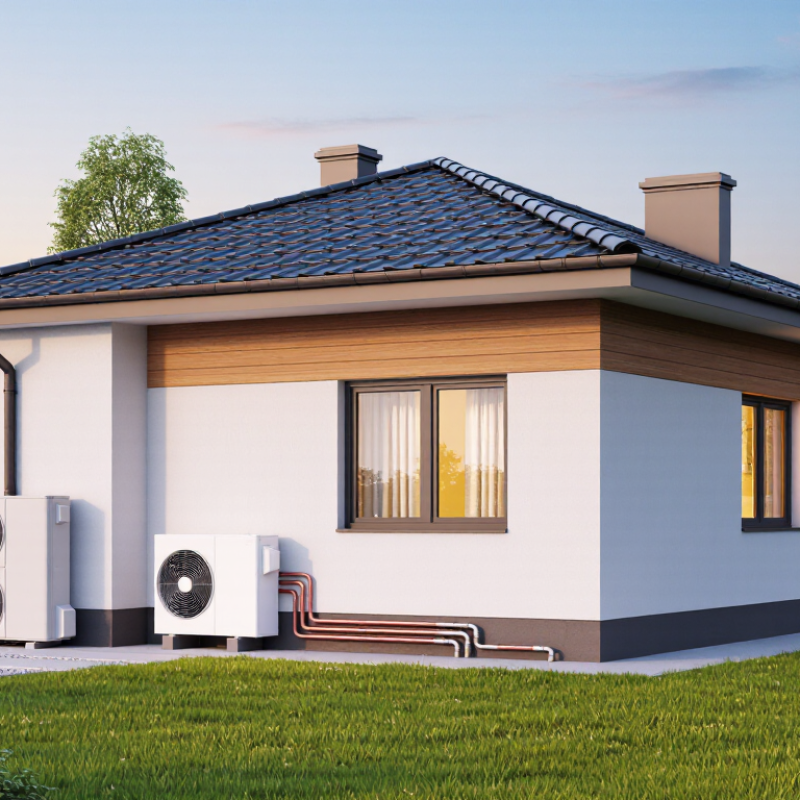
Define “Best” Through COP 3–5, SEER2, HSPF2, and Climate Performance
What Is the Best Heat Pump Unit in 2026?
Define “Best” Through COP 3–5, SEER2, HSPF2, and Climate Performance
The best heat pump depends on measured performance, not advertising language. COP shows how efficiently a unit produces heat at a specific temperature. A COP of 3 means three units of heat for each unit of electricity used. Many systems operate between COP 3 and 5 under moderate conditions. Performance can fall sharply near freezing temperatures.
Check SEER2 for seasonal cooling efficiency. Higher SEER2 can reduce summer electricity use, especially in hot climates with long cooling seasons. HSPF2 measures seasonal heating efficiency, but it does not tell the entire story. A high HSPF2 rating may still hide weaker output during very cold mornings. Numbers need context.
Climate performance matters most.
In a cold region, examine rated capacity at low temperatures, defrost behavior, and backup heat use. In humid areas, inspect moisture removal and indoor comfort during mild weather. A properly sized unit should run steadily, not switch on and off every few minutes. Installation quality also affects results. Poor airflow, incorrect refrigerant charge, or undersized ductwork can erase laboratory gains. That detail is easy to overlook. COP 5 sounds excellent, but actual bills may disappoint. Reviewing local weather data, utility rates, and several years of service records gives a more dependable comparison. Even then, the “best” choice may remain imperfect.
What Is the Best Heat Pump Unit in 2026?
“Best” means balanced efficiency and dependable cold-weather performance. This comparison uses representative, non-brand benchmark profiles for mild, mixed, and cold climates.
SEER2 measures seasonal cooling efficiency, while HSPF2 measures seasonal heating efficiency. COP shows the ratio of heat delivered to electricity consumed at a specific outdoor temperature. The 5°F COP values provide a useful cold-climate snapshot, but they are not a substitute for a complete low-temperature capacity and defrost test.
Compare Cold-Climate Units Rated Below 5°F (-15°C) With Stable Heat Output
What Is the Best Heat Pump Unit in 2026?
For cold climates, the best heat pump is not the unit with the highest headline efficiency. It is the system that maintains useful heat below 5°F (-15°C). Look for published capacity data at 5°F, not only at 47°F. ENERGY STAR cold-climate criteria require strong low-temperature performance, including a 5°F capacity level near 70% of the 47°F rating and a minimum low-temperature efficiency threshold. These figures offer a practical screening tool.
The International Energy Agency reports that heat pumps can deliver three to five units of heat for each unit of electricity. However, real homes behave differently. Wind, duct leakage, defrost cycles, and poor installation can reduce comfort quickly. A unit may claim steady output, yet cycle frequently in a badly sized house. I would not trust a brochure without expanded performance tables, sound ratings, and verified field testing. The U.S. Department of Energy’s cold-climate research also emphasizes testing at low ambient temperatures, where compressor control and backup heat become critical.
Tips:
Compare delivered capacity at 5°F and 0°F. Check whether the unit uses variable-speed control. Ask for the design temperature used in your area. Confirm electrical requirements before installation. A larger unit is not automatically better; oversizing can create short cycles and uneven rooms. Even careful comparisons remain imperfect, because installer quality may matter as much as the equipment rating.
Evaluate Efficiency Using SEER2, HSPF2, COP, and Annual Energy Demand
The best heat pump unit in 2026 is not defined by one impressive number. Its performance depends on climate, building envelope, sizing, and operating habits.
SEER2 measures seasonal cooling efficiency under updated test conditions. A higher SEER2 can reduce summer electricity use, but only when installation quality supports the rating.
HSPF2
evaluates seasonal heating efficiency, including resistance heating and defrost cycles. It matters greatly in colder regions with long heating seasons.
COP shows how efficiently the unit produces heat at a specific outdoor temperature. That detail matters.
A system may show an excellent COP at 47°F but work much harder near 10°F. Check the published low-temperature data, not just the headline rating.
Annual energy demand offers a clearer comparison.
Estimate yearly cooling and heating kilowatt-hours using local weather data, indoor temperature settings, and expected backup heat. Include fan energy, defrost operation, and standby consumption.
A properly sized system usually performs more consistently than an oversized one that frequently starts and stops. I have seen calculations miss real demand because duct leakage was ignored. That mistake is easy to repeat.
Ask an installer to verify airflow, refrigerant charge, insulation, and electrical measurements after commissioning. Compare the estimate with utility bills after the first season. Real homes can disagree with spreadsheets.
Assess Capacity, Noise, Refrigerants, and the 10–15-Year Service Life
What Is the Best Heat Pump Unit in 2026?
The best heat pump is not automatically the largest or quietest model. Start with a professional load calculation, such as Manual J, for accurate capacity. An oversized unit may cycle frequently, waste energy, and remove less indoor humidity. An undersized unit can struggle during freezing weather. Ask for measured heating capacity at your local winter design temperature, not only the headline rating.
Noise matters in daily life. Check the outdoor sound rating, but also consider compressor placement, wall reflections, and nighttime operation. A unit rated at 55 decibels may sound louder beside a bedroom window.
Refrigerant choice deserves equal attention. Lower-global-warming-potential options can support future compliance, but installer training and local availability affect repairs. Regulations and product standards can change. Verify them before purchasing.
Tips:
Request capacity data at several outdoor temperatures. Confirm compatible refrigerant tools and recovery equipment. Ask about filter access, coil cleaning, warranty labor, and replacement parts.
A 10–15-year service life is realistic with correct sizing, annual inspection, clean airflow, and prompt drainage repairs. However, no forecast is perfect. Salt air, neglected filters, power quality, and poor installation can shorten that life.
I would rather choose a serviceable system with trained local support than chase the highest efficiency number. Efficiency looks impressive. Service access matters more.
Rank 2026 Heat Pumps by Total Cost, Incentives, Reliability, and Warranty
What Is the Best Heat Pump Unit in 2026?
The best heat pump is not always the unit with the lowest purchase price. A fair 2026 ranking should measure total cost over ten to fifteen years. Include equipment, installation, electrical upgrades, maintenance, and expected energy use. A system priced at $8,000 may cost less than a $6,000 model after incentives and repairs.
Incentives can change the ranking quickly. Check federal, regional, and utility programs before signing a contract. Eligibility may depend on efficiency ratings, climate zones, household income, or installation dates. Keep every document. A missing certificate can delay reimbursement. I would rank qualifying systems higher when rebates reduce upfront costs without creating complicated paperwork.
Reliability comes next. Look for strong cold-weather output, tested efficiency, accessible replacement parts, and clear service procedures. Compare the compressor warranty, labor coverage, and registration deadline. A long warranty sounds impressive, but limited labor protection can leave homeowners paying hundreds of dollars. Ask who handles claims locally. That detail matters.
Real installation quality still decides performance. Poor sizing can cause short cycling, uneven rooms, and disappointing bills. An experienced contractor should complete a room-by-room load calculation, not rely on house size alone. I would give reliable equipment with transparent support a higher score than a cheaper system with uncertain service. The ranking is not perfect. Energy prices, weather, and maintenance habits can change the result.
What Is the Best Heat Pump Unit in 2026? — 2026 Heat Pump Rankings
Comparison based on typical U.S. residential installations in 2026. Rankings combine estimated installed cost, likely incentives, cold-weather performance, service complexity, reliability factors, and warranty coverage. Costs vary by home size, climate zone, electrical work, duct condition, and installer.
| Rank |
Heat Pump Configuration |
Typical Installed Cost Before Incentives |
Estimated Incentive Allowance |
Estimated Net Installed Cost |
Estimated 15-Year Ownership Cost |
Reliability Score |
Typical Warranty Structure |
Best Use Case |
| 1 |
Cold-Climate Variable-Speed Ducted Heat Pump
Efficient at low outdoor temperatures; requires professional commissioning.
|
$14,000–$22,000 |
$0–$2,0001 |
$12,000–$22,000 |
$28,000–$42,000 |
★★★★☆
4.3/5 |
Usually 10 years for major parts; compressor coverage may be longer on qualifying equipment. Labor coverage depends on the installer. |
Cold climates, existing ductwork, and homeowners seeking a balanced long-term solution. |
| 2 |
Variable-Speed Ducted Heat Pump with Electric Backup
Strong comfort control with a simpler low-temperature backup strategy.
|
$12,000–$19,000 |
$0–$2,0001 |
$10,000–$19,000 |
$29,000–$44,000 |
★★★★☆
4.2/5 |
Commonly 10 years for covered components; controls, labor, and refrigerant-related service may have separate terms. |
Moderate climates and homes where consistent indoor comfort is more important than the lowest first cost. |
| 3 |
Cold-Climate Multi-Zone Ductless Heat Pump
High zoning flexibility and limited dependence on existing ductwork.
|
$11,000–$20,000 |
$0–$2,0001 |
$9,000–$20,000 |
$27,000–$43,000 |
★★★★☆
4.1/5 |
Often 7–12 years for selected parts; labor coverage and coverage for multiple indoor units vary considerably. |
Older homes without usable ducts, additions, rooms with different temperature needs, and partial-home retrofits. |
| 4 |
Single-Zone Ductless Heat Pump
Lower equipment complexity and comparatively straightforward installation.
|
$5,000–$9,500 |
$0–$1,5001 |
$4,000–$9,500 |
$18,000–$31,000 |
★★★★☆
4.0/5 |
Frequently 7–12 years for major components; installation quality strongly affects condensate, drainage, and refrigerant reliability. |
Small homes, individual rooms, garages, home offices, and targeted heating or cooling upgrades. |
| 5 |
Single-Stage Ducted Heat Pump
Lower purchase price but less precise temperature and humidity control.
|
$8,000–$14,000 |
$0–$1,5001 |
$7,000–$14,000 |
$30,000–$47,000 |
★★★☆☆
3.7/5 |
Typically 5–10 years for covered parts; labor, capacitors, thermostats, and electrical components may be excluded. |
Budget-focused replacements in mild climates where the lowest upfront cost is the primary concern. |