Top Energy Efficient Heating Systems for 2026
Choosing a heating system in 2026 means looking beyond the equipment’s price tag. A heat pump may suit a mild climate, while a cold-climate model or a high-efficiency boiler may better fit other homes. The details matter: insulation, existing ducts, electricity rates, and the winter temperatures outside your window can all change the result.
Amory Lovins, energy analyst and co-founder of the Rocky Mountain Institute, has put the principle simply: “The cheapest energy is the energy you don’t use.” It is a useful reminder, not a complete buying guide. Even an efficient system can waste energy if it is oversized, poorly installed, or paired with leaky ducts. A quiet outdoor unit is no help if the rooms still feel uneven.
This guide compares top energy efficient heating systems for 2026, including heat pumps, furnaces, boilers, and hybrid setups. It considers operating costs, comfort, climate suitability, and practical installation questions. Look for verified efficiency ratings, but also ask contractors how they calculate system size and assess your home. Small details count. A draft near the front door can make a warm room feel disappointing. And predictions about future energy prices are uncertain; no system guarantees savings for every household. The best choice is the one that fits your home’s conditions, budget, and needs—not simply the one with the highest rating.
How Heating Efficiency Is Measured in 2026
Top Energy Efficient Heating Systems for 2026
How Heating Efficiency Is Measured in 2026
In 2026, heating efficiency is not captured by one universal number. A rating describes performance under a defined test, not every winter in your home. For a furnace, AFUE estimates how much fuel becomes useful heat over a heating season. A 95% rating means about 95 units of useful heat for every 100 units of fuel. The remainder is lost, including through exhaust. Numbers matter. Heat pumps use HSPF2 to compare seasonal heating output with electricity consumed. COP offers another view: heat delivered divided by electricity used under specific conditions. A COP of 3 means roughly three units of heat for each unit of electricity.
These figures help compare systems, but they are not promises of real-world performance. Heat-pump output and COP can fall as outdoor temperatures drop. Check the test conditions and the system’s capacity in colder weather. Also ask whether the rating includes backup heat. During a home visit, inspect the equipment label and thermostat settings. Check the filter and ducts, too. A leaky attic duct can waste heat before it reaches a bedroom. Installation matters. Oversized equipment may cycle too often, while poor airflow can reduce comfort. I would not judge a system by its headline rating alone. Local energy prices, insulation, and daily use affect running costs, and estimates remain estimates.

Air-Source, Ground-Source, and Hybrid Heat Pumps
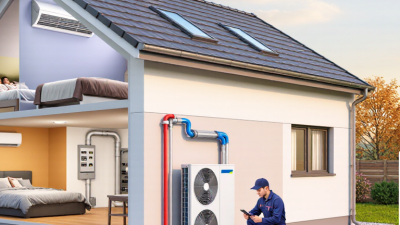
Air-source heat pumps draw warmth from outdoor air, even on cold days, though output and efficiency can fall as temperatures drop. They usually need less excavation than ground-source systems, making them practical for many existing homes. Check the unit’s cold-weather performance, not just its headline efficiency rating. A heat-loss assessment can help size it correctly; an oversized unit may cycle frequently and waste energy.
Ground-source heat pumps exchange heat with buried pipes, where temperatures stay steadier through the seasons. This can support consistent operation, but drilling or trenching adds cost and disrupts gardens or driveways. Hybrid systems pair a heat pump with a backup heater, often using the backup during severe cold or high demand. Controls matter. Poor settings can make the backup run too often. The best fit depends on local climate, insulation, available land, electricity rates, and installation quality. There is no perfect choice; even careful estimates can miss how a household actually uses heat.
Tips: Ask for room-by-room heat-loss calculations and expected seasonal performance. Compare installation needs, noise, maintenance access, and backup-heating settings. Request written assumptions. They can be imperfect, so review them before work begins.
High-Efficiency Furnaces, Boilers, and Electric Heaters
For 2026, an efficient heating system should match the home, climate, and existing equipment. High-efficiency furnaces are commonly compared by annual fuel utilization efficiency (AFUE), which estimates how much fuel becomes usable heat. A higher rating can reduce fuel waste, but it does not guarantee lower bills if the furnace is oversized or poorly installed. Ask for a load calculation, not just a larger unit. Small details matter.
Boilers can provide steady heat through radiators or radiant floors. Condensing models work best when cooler return water allows more heat recovery; system design and controls affect whether that benefit is realized. Insulated pipes, balanced zones, and correctly sized radiators can improve comfort without changing the boiler. Older systems may need adjustments, and that cost is easy to overlook when comparing equipment quotes.
Electric options include resistance heaters and heat pumps. Resistance heaters convert electricity into heat at the point of use, making them useful for a single chilly room, though operating costs depend on local electricity rates. Heat pumps move heat rather than create it directly and can use less electricity in suitable conditions. Still, performance varies with outdoor temperature, sizing, and installation. Compare estimated seasonal costs, maintenance needs, and comfort—not just efficiency labels. A qualified assessment can help identify what your home actually needs.
Top Energy Efficient Heating Systems for 2026
Illustrative heat-output efficiency: high-efficiency furnaces and boilers are represented by 95% AFUE; electric resistance heaters convert electricity to heat at the point of use; a heat pump COP of 3.0 is shown as 300% heat output per unit of electricity.
These figures are representative comparisons, not a guarantee of seasonal performance. AFUE applies to fuel-fired equipment; electric resistance efficiency is measured at the heater, while heat-pump COP varies with outdoor temperature and operating conditions.
Comparing Energy Use, Emissions, and Operating Costs
In 2026, comparing heating systems means looking beyond the equipment’s advertised efficiency. A cold-climate heat pump can deliver several units of heat per unit of electricity under suitable conditions, but performance drops in severe cold. Its emissions depend on the local electricity mix. Where power is relatively clean, operating emissions may be low; where it comes mainly from fossil fuels, the advantage narrows. Check seasonal performance estimates, not just peak ratings.
Gas-fired condensing boilers can be efficient, especially in well-insulated homes with compatible radiators. Yet they emit carbon dioxide on site, and fuel prices can make monthly costs unpredictable. Electric resistance heaters are simple to install, but usually use more electricity for the same heat than a heat pump. That difference can show up on a winter bill. There is no universal winner. Poor sizing, leaky ducts, or frequent thermostat changes can undermine projected savings. Even a good system disappoints if the house loses heat through an uninsulated attic. Ask an experienced installer to assess local weather, energy rates, existing equipment, and room-by-room heat loss before comparing lifetime costs. Real bills may still differ.
Top Energy Efficient Heating Systems for 2026 - Comparing Energy Use, Emissions, and Operating Costs
Illustrative annual comparison for a home requiring 50 million Btu (MMBtu) of delivered heat. Results depend on climate, system sizing, installation quality, utility rates, and operating conditions.
| Heating system | Typical seasonal efficiency | Estimated annual energy purchased | Estimated annual energy cost | Estimated operational CO₂ emissions | Practical considerations |
|---|---|---|---|---|---|
| Ground-source heat pump | Seasonal COP: 3.5–5.0 | About 3,660 kWh of electricity (12.5 MMBtu) | About $590 | About 1.36 metric tons | Very efficient in many climates; higher installation cost and requires suitable land or drilling. |
| Air-source heat pump | Seasonal COP: 2.8–3.5 | About 4,884 kWh of electricity (16.7 MMBtu), assuming COP 3.0 | About $780 | About 1.81 metric tons | Efficient for many homes; performance varies with outdoor temperature and system design. |
| Cold-climate air-source heat pump | Seasonal COP: 2.2–3.0 | About 5,861 kWh of electricity (20.0 MMBtu), assuming COP 2.5 | About $940 | About 2.17 metric tons | Designed to maintain useful output in colder weather; actual seasonal efficiency depends on the local climate and backup-heat use. |
| Condensing natural-gas furnace | Annual fuel utilization efficiency (AFUE): about 95% | About 526 therms of natural gas (52.6 MMBtu) | About $790 | About 2.79 metric tons | Uses established fuel infrastructure; emissions shown are from on-site fuel combustion only. |
| Electric-resistance heating | Nearly 100% at the point of use | About 14,653 kWh of electricity (50.0 MMBtu) | About $2,345 | About 5.42 metric tons | Simple equipment and no on-site combustion; typically uses substantially more electricity than a heat pump. |
Calculation assumptions: Electricity costs $0.16/kWh and produces 0.37 kg CO₂/kWh; natural gas costs $1.50/therm and produces approximately 5.3 kg CO₂/therm when burned. One therm equals 100,000 Btu. Costs exclude fixed utility charges, maintenance, equipment purchase, installation, and financing. Emissions exclude upstream fuel production and electricity-system lifecycle emissions. Figures are estimates, not guarantees.
Matching Heating Systems to Climate and Building Needs
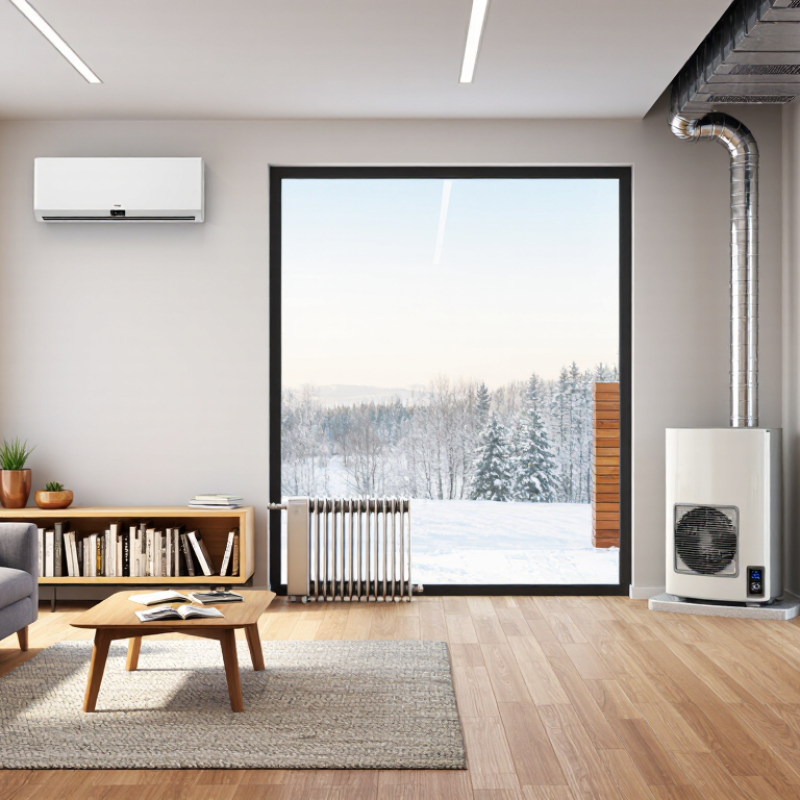
Choosing a heating system starts with the local winter, not a national efficiency ranking. In mild or mixed climates, an air-source heat pump can provide efficient heating and cooling. In colder regions, check its rated output at the area’s design temperature, not just its mild-weather rating. Some homes may need backup heat during a deep freeze. That adds cost and should be planned, not guessed.
The building matters just as much. A well-sealed home with suitable ductwork may work well with a heat pump. Older homes with radiators or hydronic floors may need a different approach, such as a compatible heat pump or a high-efficiency boiler. Replacing equipment without checking insulation, airflow, and room-by-room heat loss can leave bedrooms chilly. Small details matter. A sunny window can warm one room while a draft cools another.
Ask a qualified professional to calculate the home’s heating load and inspect existing ducts, wiring, and ventilation before recommending equipment. Compare seasonal performance at local temperatures, along with installation and operating costs. Oversizing is not a harmless shortcut: it may cause frequent cycling and uneven comfort. There is no perfect match, and climate maps can miss a windy ridge or a damp coastal winter. That uncertainty deserves a site visit.