Top 10 Tips for Choosing an Electric Heat Pump Today?
Choosing the right electric heat pump can be challenging. However, with the right guidance, homeowners can make informed decisions. Industry expert Dr. Sarah Thompson, a leading authority in HVAC systems, emphasizes the importance of understanding your options. She states, “An informed choice in electric heat pumps leads to greater comfort and energy savings.”
In today's market, electric heat pumps offer numerous benefits. They are efficient and environmentally friendly. Yet, not all heat pumps are created equal. Homeowners often overlook critical factors, like size and energy ratings. This oversight can lead to underperformance and increased costs. Selecting the wrong system might result in inefficient heating and cooling, negating potential savings.
When evaluating different models, consider both performance and reliability. Look for certified products that meet energy standards. Remember, proper installation is key to maximizing efficiency. Your choice today can affect your comfort for years. So, take time to research before making your investment. The right electric heat pump is out there; you just have to find it.
Understanding Heat Pump Efficiency Ratings: SEER and HSPF Explained
When considering an electric heat pump, understanding efficiency ratings is crucial.
SEER (Seasonal Energy Efficiency Ratio) and HSPF (Heating Seasonal Performance Factor) are key indicators of performance.
A higher SEER indicates better cooling efficiency. For instance, the U.S. Department of Energy recommends that modern heat pumps reach a SEER of at least 15,
with premium units achieving over 20.
HSPF measures heating efficiency over the season.
An HSPF rating of 8 or higher is considered good, while top-performing models exceed 10.
According to the American Council for an Energy-Efficient Economy, each point increase in HSPF can reduce heating costs by approximately 5%.
This highlights the long-term savings potential.
It's important to reflect on specific needs.
A high SEER but low HSPF may not meet home heating demands effectively. Different climates require different performance metrics.
Data shows that many homeowners overlook these details, potentially leading to inefficient systems.
Researching local climate conditions and consulting with energy experts can guide effective choices.
Evaluating the Sizing Requirements for Your Home's Heating Needs
Choosing the right size electric heat pump for your home’s heating needs is crucial. Oversizing can lead to inefficiency and higher energy bills. A properly sized heat pump efficiently maintains comfort while minimizing operational costs.
The U.S. Department of Energy suggests calculating your home’s heating requirements using the Manual J method. This method takes into account factors like square footage, insulation levels, and climate. Typically, homes require about 30 to 50 BTU per square foot, depending on these variables. For instance, a 1,500-square-foot home might need 45,000 BTUs on average.
Consider these factors during the sizing evaluation. Look at your local climate data to find the heating degree days in your area. Reviewing reports from the American Society of Heating, Refrigerating and Air-Conditioning Engineers can provide insights into regional differences. Make sure to assess any additions or renovations that could alter heating needs.
Before making a decision, consult with a certified HVAC professional. Their expertise can reveal nuances specific to your situation. Sometimes, even minor changes can significantly impact efficiency. Understanding your home’s unique characteristics helps in selecting a heat pump that performs well for your needs.
Comparing Different Types of Electric Heat Pumps: Air vs. Ground Source
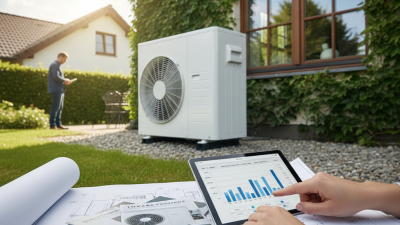
When considering electric heat pumps, air and ground source options stand out. Air source heat pumps are popular due to their easy installation. They extract heat from the air outside your home. While they work efficiently in moderate climates, performance can drop in extreme cold. This makes them less reliable in harsher winters. Regular maintenance is crucial to ensure their efficiency over time.
Ground source heat pumps, also known as geothermal systems, operate differently. They tap into the stable temperature of the earth. This allows them to maintain efficiency throughout the year. Installation is costlier and more complex than air pumps. However, they offer higher energy efficiency and lower long-term costs. Ground source systems require significant space for underground loops. Homeowners need to evaluate their land availability and local regulations.
Each type has its pros and cons. Air source heat pumps are accessible but may struggle in colder regions. Ground source systems provide reliability but come with a steep initial investment. It's essential to weigh your home's specific needs, climate conditions, and budget when making a decision. Choosing between these options requires careful consideration to balance performance and cost.
Assessing Installation Costs and Long-term Savings on Energy Bills
When considering an electric heat pump, assessing installation costs is crucial. Installation can vary significantly based on your home's size and complexity. Engaging with a reliable contractor helps clarify these costs. Request detailed quotes to identify potential hidden fees. Understanding what you're paying for is vital.
Long-term savings on energy bills should be a primary factor in your decision-making. Electric heat pumps are often more energy-efficient than traditional heating systems. They can reduce your monthly utility bills significantly. However, the initial investment can be daunting. It's essential to analyze your budget and project potential savings over time.
While many homeowners focus solely on upfront costs, it’s wise to consider the overall picture. Calculate estimated operational costs and potential energy savings. This approach can provide a more comprehensive view of long-term affordability. A well-chosen heat pump will serve you effectively, improving comfort while being cost-effective. Don't overlook the importance of understanding how these systems work to maximize your investment.
Top 10 Tips for Choosing an Electric Heat Pump Today
| Tip |
Key Considerations |
Estimated Installation Cost ($) |
Potential Annual Savings ($) |
Energy Efficiency Rating (SEER/EER) |
| 1. Assess Your Heating Needs |
Calculate BTUs based on your space |
3,500 |
300 |
15 SEER / 12 EER |
| 2. Evaluate Different Types |
Air-source vs. ground-source |
4,200 |
350 |
18 SEER / 14 EER |
| 3. Check the Warranty Details |
Length and coverage specifics |
3,800 |
320 |
17 SEER / 13 EER |
| 4. Compare Energy Ratings |
Look for certifications |
3,200 |
280 |
16 SEER / 12.5 EER |
| 5. Investigate Installation Options |
DIY vs. Professional services |
4,500 |
400 |
19 SEER / 15 EER |
| 6. Review Operational Costs |
Consider maintenance needs |
3,000 |
250 |
14 SEER / 11 EER |
| 7. Look for Smart Technology |
Integration with smart home systems |
5,000 |
450 |
20 SEER / 16 EER |
| 8. Select the Right Size |
Oversized vs. undersized systems |
4,800 |
375 |
15.5 SEER / 12 EER |
| 9. Investigate Local Incentives |
State and federal rebates |
3,300 |
310 |
16.5 SEER / 13.5 EER |
| 10. Read Customer Reviews |
Reliability and after-sale support |
2,900 |
240 |
14 SEER / 11 EER |
The Importance of Manufacturer Warranties and Service Options in Heat Pumps
When selecting an electric heat pump, it's essential to consider manufacturer warranties and service options. A recent industry report indicates that a significant 70% of homeowners prioritize warranty coverage when making their purchase. This highlights the importance of understanding what is included in the warranty. Many systems offer limited parts warranties which may seem appealing, but cover specifics vary widely among manufacturers. A comprehensive warranty can save considerable costs on repairs.
Equally important are service options. A survey by the Heating, Refrigeration and Air Conditioning Institute found that 60% of consumers experience issues requiring professional service within the first five years of operation. This statistic underscores the need to choose manufacturers that provide accessible and reliable service networks. Look for companies that not only offer extended warranties but also local support for installation and maintenance. An efficient service response can significantly enhance the overall value of your heat pump investment.
Remember, warranties are not all created equal. Some may exclude critical components or labor, leaving you vulnerable. Assessing the fine print can make a difference in overall satisfaction. Choosing a manufacturer with a robust support system can enhance not just the longevity of your heat pump but also your peace of mind.