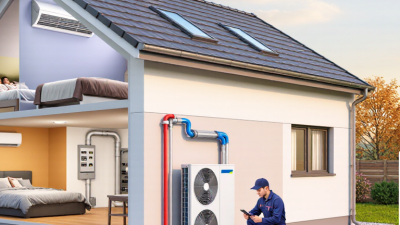
How to Choose the Best Heat Pump Boiler?
Choosing the best heat pump boiler starts with your home, not a headline efficiency figure. A draughty house with small radiators has different needs from a well-insulated home with underfloor heating. The outdoor unit also needs a suitable location, clear airflow, and acceptable noise levels. Small details matter.
Dr. Fatih Birol, Executive Director of the International Energy Agency, has described heat pumps as “a key technology for decarbonising heating.” That broad point is useful, but it does not identify the right model for every property. Performance depends on the system design, local climate, insulation, and the water temperature your radiators require. A poorly matched unit can disappoint, even when its brochure looks impressive.
This guide explains how to compare heat pump boiler types, capacity, efficiency ratings, and running costs. It also covers installation checks, hot-water demand, controls, warranties, and questions to ask an installer. Look beyond the unit price. Ask for a heat-loss calculation and a clear estimate of seasonal performance, not just a best-case laboratory figure. Check how the system will work on cold mornings and whether existing radiators need upgrading. There is no perfect answer for every house. Some trade-offs are easy to miss, and estimates can be uncertain before a proper site survey. That is worth remembering.

How Heat Pump Boilers Work and Where They Fit
A heat pump boiler moves heat rather than generating it by burning fuel. A refrigerant absorbs warmth from outdoor air or the ground, then a compressor raises its temperature. The system transfers that heat to water for taps, radiators, or underfloor heating. It still uses electricity, and its efficiency depends on outdoor conditions and the required water temperature. That matters.
Many homes can use one, but the existing heating system affects the result. Large radiators or underfloor pipes can often warm rooms with lower-temperature water. Older, smaller radiators may need upgrades, especially in a poorly insulated house. During cold, damp weather, defrost cycles can briefly reduce heat output. A correctly sized system and suitable backup plan help cover peak demand.
Space and sound deserve attention, too. An outdoor unit needs clear airflow and careful placement away from bedroom windows. The indoor equipment may need a hot-water cylinder, which can be awkward in a compact utility room. A common planning mistake is judging suitability by the old boiler’s size alone. A heat-loss assessment, radiator check, and review of household hot-water use give a more useful starting point. Even then, the best design may involve compromises.
Assess Your Heating and Hot Water Requirements
Before choosing a heat pump boiler, estimate the building’s heat loss rather than relying on floor area alone. Record room sizes, insulation, draughts, and the coldest rooms; a qualified assessor can use these details to calculate the required output. The U.S. Energy Information Administration’s 2020 Residential Energy Consumption Survey found that space heating accounted for about 42% of household energy use, while water heating accounted for 18%. These figures describe U.S. homes, not every home. Still, they show why both demands deserve attention. Small details matter.
Track hot-water use for a typical week. Note how many people shower or bathe, when they use hot water, and whether taps run at the same time. This helps determine suitable cylinder storage and recovery needs. Also check the required water temperature, incoming mains temperature, and available space for a cylinder. A heat pump’s output can fall in colder weather, so ask for performance figures at your local winter design temperature and intended flow temperature. A neat spreadsheet can still miss a cold hallway or a morning shower peak. Revisit your assumptions with an installer, especially if household routines are likely to change.
| Assessment dimension | What to check | Practical guide | Why it matters when choosing |
|---|---|---|---|
| Design heat loss | Ask for a room-by-room heat-loss calculation based on the home’s location, insulation, windows, and intended indoor temperatures. | Choose capacity from the calculated heat loss at the local design outdoor temperature, not from floor area alone. | An undersized system may struggle to maintain comfort in cold weather; an oversized system can cost more and may cycle inefficiently. |
| Heating demand | Review current fuel use, heating schedules, occupied rooms, and the home’s insulation level. | Use energy bills as supporting evidence, adjusted for weather, occupancy, and any planned insulation improvements. | Actual usage helps check whether the heat-loss estimate reflects how the household operates. |
| Radiators and underfloor heating | Check whether existing emitters can deliver enough heat at lower water temperatures. | Heat pumps generally work more efficiently with lower heating flow temperatures. Some homes may need larger radiators, additional emitters, or system balancing. | Emitter suitability affects comfort, required flow temperature, and system efficiency. |
| Hot-water use | Estimate the number of occupants, bathing habits, peak-time demand, and whether baths or multiple showers are common. | For an initial discussion, a stored-water cylinder around 150–200 L may suit some 1–2 person homes, 200–250 L some 3–4 person homes, and 250–300 L or more some larger households. Confirm sizing with a qualified installer. | Hot-water storage needs vary with usage, incoming water temperature, cylinder recovery time, and the chosen system. |
| Cylinder and space | Check whether there is room for a compatible hot-water cylinder, pipework, and service access. | Confirm the cylinder’s usable capacity, coil suitability for heat-pump operation, location, and insulation. | Many heat-pump systems store domestic hot water separately, so available space can affect system choice and installation cost. |
| Hot-water temperature and hygiene | Ask how the system will meet household temperature preferences and applicable water-hygiene requirements. | Operating temperatures and any periodic higher-temperature cycle should follow local guidance and the equipment manufacturer’s instructions. | Hot-water controls need to balance comfort, energy use, and safe system operation. |
| Electrical supply | Have the electrical connection, consumer unit, available capacity, and proposed outdoor-unit supply checked. | The required supply depends on the selected system and installation; confirm whether electrical upgrades are needed before comparing quotes. | Electrical work can affect installation feasibility, timing, and total project cost. |
| Outdoor-unit location | Assess airflow, clearances, drainage, access for maintenance, and potential sound at nearby windows or boundaries. | Follow the unit’s installation clearances and applicable local noise and planning rules. | A suitable location supports reliable operation and can reduce disturbance to household members and neighbours. |
| Controls and operating pattern | Consider zoning, room thermostats, weather compensation, and how quickly the household wants rooms to warm up. | Discuss a control strategy suited to steady, lower-temperature heating rather than assuming existing boiler settings can be copied unchanged. | Well-configured controls help maintain comfort and avoid unnecessary cycling or high flow temperatures. |
| Installation scope and costs | Compare itemised quotes covering equipment, cylinder, emitters, electrical work, pipework, commissioning, and removal of existing equipment. | Check what is included, what may require extra work, and whether the design assumptions match the heat-loss assessment. | A clear scope makes quotes easier to compare and helps identify missing work before installation. |
Cylinder volumes are illustrative starting points, not fixed design rules. A qualified installer should size the system using a property-specific heat-loss assessment and the household’s hot-water profile.
Compare Boiler Types, Efficiency, and Climate Performance
Choosing a heat pump boiler starts with the building, not the product label. Air-source units are usually simpler to install and suit many homes, but their output can fall during freezing weather. Ground-source systems draw steadier heat from buried loops, though excavation needs space and adds installation cost. Hybrid systems pair a heat pump with a fuel boiler; they can help in very cold spells, but introduce extra equipment and operating choices.
Compare seasonal efficiency rather than a single peak figure. A seasonal performance factor reflects changing outdoor temperatures more realistically than a laboratory rating. Check the required water temperature, too: a home with large radiators or underfloor heating may run efficiently at lower temperatures. Small radiators can demand hotter water. That matters. Ask an installer to assess heat loss room by room, then compare expected annual electricity use and service needs.
Climate changes the trade-offs. In mild, damp regions, an air-source model may provide steady heating for much of the year. In colder areas, review its capacity at low temperatures and whether backup heat is needed. Ground-source performance is less tied to daily air swings, but local soil and loop design affect results. A detail is easy to miss: poor insulation can make any system work harder. Estimates also contain uncertainty, so treat projected savings as estimates, not promises.
How to Choose the Best Heat Pump Boiler?
Typical efficiency ranges and climate considerations by heating system type
Heat pump ranges show seasonal COP; gas boiler ranges show AFUE. These metrics are not directly equivalent: COP measures heat delivered per unit of electricity, while AFUE measures the share of fuel converted to useful heat. Air-source heat pumps generally perform better in mild climates, while cold-climate models are designed to maintain operation at lower outdoor temperatures. Ground-source systems are less affected by outdoor air temperature. Actual performance varies with equipment, installation, and operating conditions.
Check Installation Needs and System Compatibility
Before choosing a heat pump boiler, check whether your home can deliver comfortable heat at lower water temperatures. Ask a qualified installer for a room-by-room heat-loss assessment, not just a recommendation based on floor area. Existing radiators may need larger panels, while underfloor heating often works well at lower temperatures. Small details matter.
Check the pipework, hot-water cylinder, controls, and available electrical supply. An older cylinder may not suit the system’s heating coil, and incompatible controls can reduce efficiency. Ask what changes are needed and request those costs in writing. A quick visual check is not enough.
The outdoor unit needs a stable base, suitable airflow, and a location that limits noise near bedrooms and neighbours. Check access for maintenance, condensate drainage, and the route for refrigerant or water pipes. Also confirm that the unit fits the property’s heating demand during cold weather, including any backup heat requirements. A site survey can reveal awkward constraints. It may still miss something, so ask how the installer will handle unexpected pipework or electrical upgrades before work begins.
Compare Purchase Costs, Incentives, and Maintenance Needs
Compare heat pump boiler quotes by looking beyond the equipment price. Ask whether each estimate includes removal, pipework, electrical upgrades, controls, and commissioning. A lower quote may leave out work your home needs. Request an itemized estimate and check that the system is sized for your home, not simply matched to the old boiler. An oversized unit can cost more and may cycle inefficiently.
Tips: Check current incentives before signing. Programs can depend on location, income, equipment type, and installation date. Confirm eligibility with the relevant authority, and keep invoices, product details, and installer records. Subtract confirmed incentives from the installed cost, not from a headline price. My spreadsheet would still be an estimate; hidden wiring work can change the final figure.
Maintenance affects the long-term budget. Ask what routine service includes, how often filters or strainers need attention, and whether parts are readily available. Keep space around the outdoor unit clear of leaves and snow, and watch for unusual noise or reduced heating. Compare service plans carefully: a cheap plan may exclude repairs, while a more complete one may cost more than occasional visits. Ask the installer to explain likely upkeep for your specific system and water quality.
Related Posts
-
How to Choose Heat Pumps for Dummies?
-

Top 5 Benefits of the Organic Rankine Cycle for Renewable Energy?
-
How to Choose the Best Solar Heat Pump for Your Home?
-

Geothermal Pumps at China Import and Export Fair What to Expect?
-
What is a Thermo Pump and How Does It Work?
-
How to Choose the Right Gas Heat Pump for Your Needs?